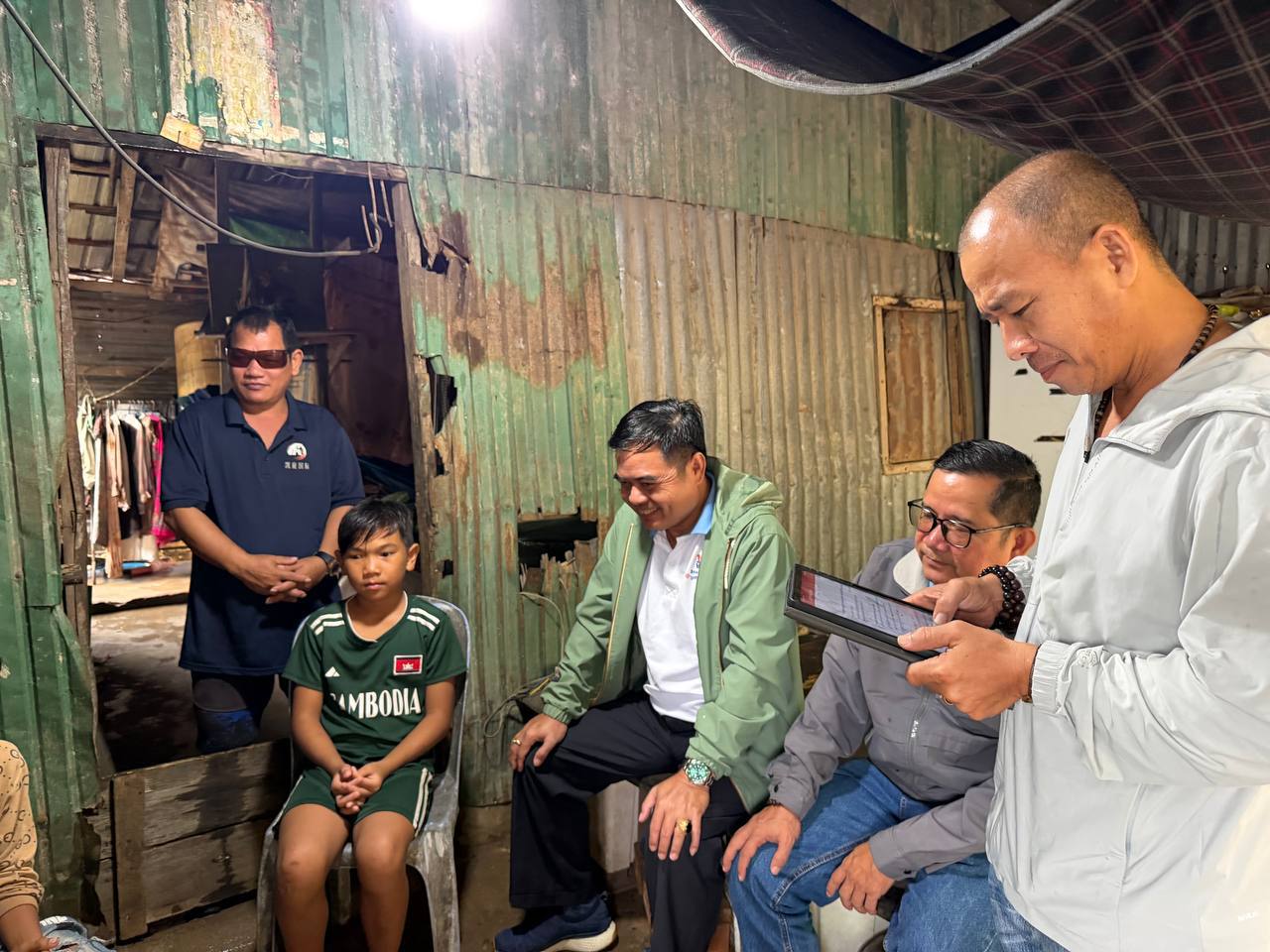
Cambodia's Anti-Drug Authority Highlights Success of 'Strong Family' Project
Cambodia's National Authority for Combating Drugs (NACD) announced that the 'Strong Family' project, supported by the UN Office on Drugs and Crime (UNODC), contributes to the physical and mental well-being of citizens. The project aims to prevent youth drug involvement through enhanced family communication.
Cambodia's National Authority for Combating Drugs (NACD) has emphasized that the 'Strong Family' project, supported by the UN Office on Drugs and Crime (UNODC), significantly contributes to the physical and mental well-being of citizens. Lim Tonghuot, Senior Colonel and Director of the Department of Dissemination, Education, and Public Relations at NACD, explained that the project adopts an approach focusing on family dialogue. Senior Colonel Lim Tonghuot made these remarks during a collaboration meeting between NACD and the Cambodian Christian Church Network Council, held in Sihanoukville from July 4-5, 2026. The meeting was convened to assess the implementation of the 'Strong Family' project and strengthen future cooperation. He conveyed a message from Deputy Prime Minister and NACD Chairman, Dr. Sar Kheng, stating that participation in the project enables families to gain educational experience in keeping children away from drug-related issues. The project aims to foster daily family interactions of at least five minutes, where parents listen to their children, respond to their requests, and provide a sense of security. This approach is expected to facilitate parental awareness of children's experiences outside the home, enabling timely intervention and resolution of various issues, including drug problems. The 'Strong Family' project, promoted by UNODC, is designed to prevent drug abuse and promote youth development within Cambodian families. Source: AKP Khmer
多角的分析
「強い家族」プロジェクトは、薬物問題による社会経済的損失の削減に間接的に貢献すると考えられる。薬物依存は個人の生産性低下、医療費の増大、犯罪率の上昇などを引き起こし、国家経済に負担をかける。家族間のコミュニケーション強化による薬物汚染の未然防止は、長期的に見てこれらの経済的損失を抑制する効果が期待できる。特に、若年層の薬物問題は将来の労働力に影響を与えるため、早期の対策は経済発展の持続可能性を高める上で重要である。
このプロジェクト自体が直接的な投資機会を生み出すものではないが、カンボジアにおける社会安定と治安改善への取り組みの一環として、投資家にとってポジティブなシグナルとなり得る。薬物問題の抑制は、犯罪率の低下や労働力の質の向上につながり、外国投資家が事業を展開する上でのリスク要因を低減させる可能性がある。特に、製造業やサービス業など、人的資本に依存する産業にとっては、社会的な安定は重要な投資判断基準となる。
「強い家族」プロジェクトは、カンボジア社会における薬物問題という深刻な課題に対し、家庭という最も身近なコミュニティからアプローチする試みである。子供が家庭外で経験する出来事を親が早期に把握できる仕組みは、若者の薬物汚染リスクを低減させるだけでなく、親子の信頼関係を深め、家庭内の孤立を防ぐ効果も期待できる。しかし、プロジェクトの実施には、親の意識改革や、家庭環境に起因する薬物問題の複雑さへの対応など、さらなる課題も考えられる。特に、都市部と農村部での家族関係や情報アクセス能力の違いが、プロジェクトの効果に影響を与える可能性も指摘される。
「強い家族」プロジェクトは、カンボジア国民、特に子を持つ親にとって、子供の薬物汚染という深刻な懸念に対処するための具体的な支援策となる。1日5分からの対話という手軽さは、多忙な親でも実践しやすい。これにより、親は子供の行動変化に気づきやすくなり、早期に介入できる可能性が高まる。また、子供にとっても、親とのコミュニケーションが増えることで、安心感を得られ、悩みを打ち明けやすくなることが期待される。しかし、プロジェクトの効果は、親の教育レベルや家庭の経済状況、地域社会のサポート体制など、様々な要因に左右される可能性がある。
背景・歴史的文脈
カンボジアでは、近年の経済発展に伴い、都市部を中心に薬物乱用の問題が深刻化している。特に若年層への薬物浸透が懸念されており、政府は国家薬物対策庁(NACD)を設置し、薬物撲滅に向けた取り組みを強化している。UNODCは、カンボジアにおける薬物対策支援の主要な国際パートナーの一つであり、2018年頃から「強い家族」プロジェクト(Strong Family)のような、家庭を基盤とした予防プログラムを推進してきた。このプロジェクトは、家族間のコミュニケーションを促進し、子供たちが薬物に関わるリスクを低減させることを目的としており、今回の発表は、その継続的な実施と一定の成果に対する評価を示唆している。
原文ソース
AKP Khmer