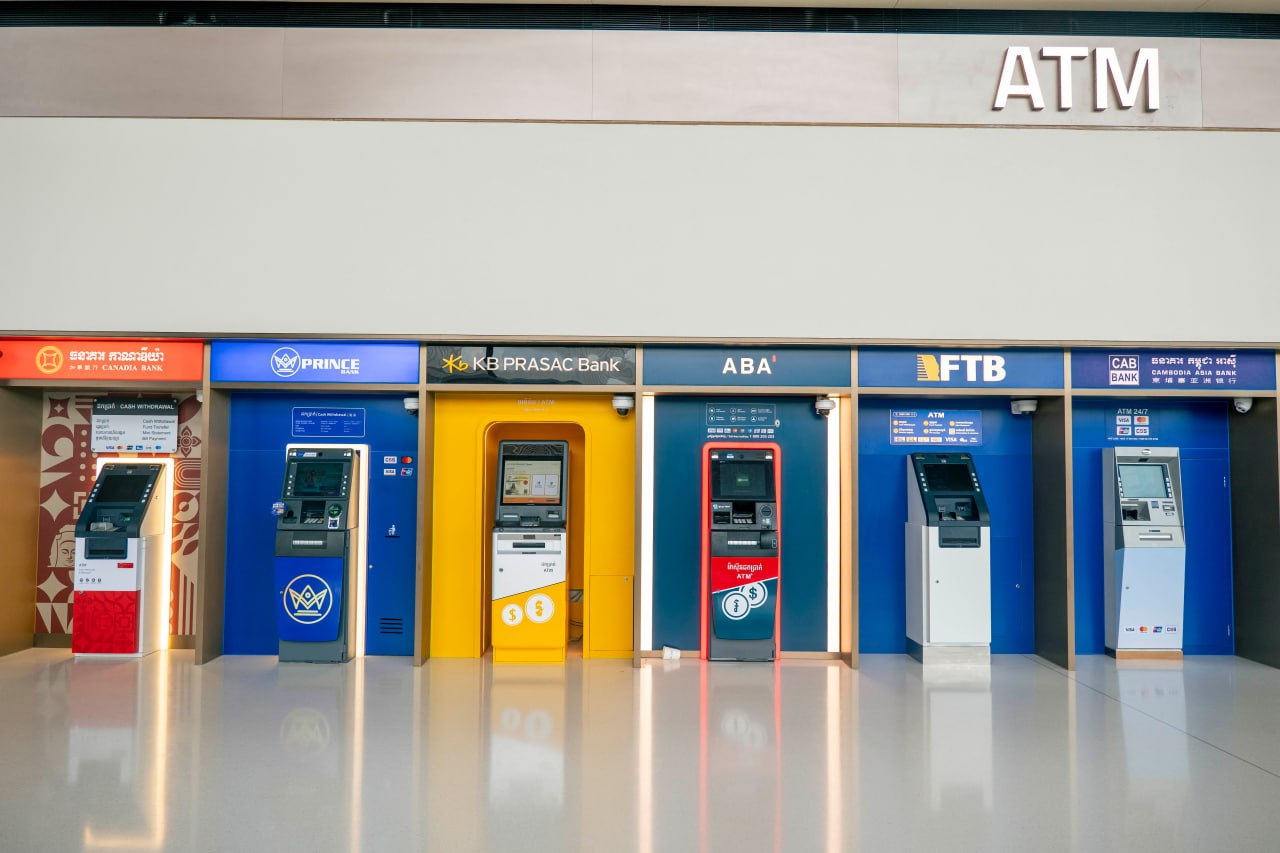
Cambodia's Banks: Three Lessons from David and Goliath
Cambodia's fragmented banking sector, with over 130 institutions, needs to prioritize liquidity, capital buffers, and governance over mere size. Both large and small banks must focus on risk management and maintaining depositor confidence.
Cambodia's banking sector, comprising over 130 commercial banks and microfinance institutions, fosters healthy competition but also risks exposing weaker entities to failure during economic downturns, echoing the biblical tale of David and Goliath. The narrative highlights that preparedness and strategy, rather than sheer size, are crucial for success. Raymond Sia, drawing on extensive observation of Cambodia's financial sector, cautions against equating banking strength solely with balance sheet size. While the sector has seen remarkable growth, it's vital to ensure this expansion hasn't outpaced crucial indicators like liquidity and capital buffers. All institutions under the National Bank of Cambodia's purview must meet minimum capital requirements, but liquidity, a less prescriptive area, demands greater discipline and self-awareness from all banks, large and small. David's victory over Goliath was attributed not only to his faith but also to his preparedness, strategy, and decisive action, leveraging his skill with a sling. Sia emphasizes that in banking, a 'pebble'—such as a liquidity squeeze, risk concentration, or reputational damage—can lead to collapse if arrogance or ignorance prevails. Recent sanctions by the U.S. Treasury on several Cambodian financial institutions underscore the critical importance of governance and compliance. While large institutions can project an illusion of invincibility, disproportionate assets and liabilities or a focus on scaling over robust risk management can be perilous. In a market where financial literacy is still developing, trust is paramount, and its erosion is exceedingly difficult to reverse. Sia concludes that the future prosperity of Cambodia's banking industry hinges on the actions taken today.
多角的分析
カンボジアの銀行セクターは、多数の金融機関が存在する一方で、その規模や健全性にはばらつきがある。過去の二桁成長は、規制当局と政府の支援に支えられてきたが、近年の成長鈍化は、流動性リスクや資本バッファーの不足といった構造的な課題を露呈させる可能性がある。特に、国際的な制裁リスクにさらされる事案の発生は、業界全体の信頼性を損ない、資金調達コストの上昇や国際金融市場からの孤立を招くリスクを内包している。これは、カンボジア経済全体の安定性にも影響を与えうる。
カンボジアの銀行セクターは、その断片化された構造と、一部機関におけるガバナンスやリスク管理の不備が、投資家にとってのリスク要因となっている。規模の大きさが必ずしも強さを示すわけではなく、流動性や資本の健全性がより重要視されるべきである。国際的な制裁リスクにさらされた事例は、投資判断におけるデューデリジェンスの重要性を再認識させ、特に外資系投資家にとっては、政治的・規制的リスクの評価が不可欠となる。信頼の喪失は、資本の流出を招き、長期的な投資環境を悪化させる。
カンボジアの銀行業界における「ダビデとゴリアテ」の教訓は、一般市民の金融サービスへのアクセスと信頼に直結する。小規模であっても健全な経営を行う銀行が、規模ばかりが先行しリスク管理を怠る銀行よりも、市民からの信頼を得られる可能性を示唆している。しかし、過去の金融機関への制裁事例は、市民の金融機関に対する信頼を揺るがしかねず、特に金融リテラシーが発展途上のカンボジアにおいては、預金者の不安を増大させる恐れがある。金融機関の破綻は、市民の生活基盤を直接的に脅かす。
カンボジアの一般市民にとって、銀行の健全性は日々の生活に直結する問題である。多数の銀行が存在することは選択肢を増やす一方で、万が一、金融機関が破綻した場合、預金は保護されるのか、その影響はどの程度なのかといった不安を抱えることになる。特に、国際的な制裁を受けた事例は、銀行システム全体への不信感につながりかねない。市民は、自身の資産が安全に管理されているかを常に気にかけ、信頼できる金融機関を選ぶ必要に迫られている。金融機関の経営破綻は、貯蓄やローンの返済など、生活のあらゆる側面に影響を及ぼす。
背景・歴史的文脈
カンボジアの銀行システムは、ポル・ポト政権崩壊後の経済再建期に、国際社会の支援を受けて発展してきた。1990年代後半から2000年代にかけて、多数の商業銀行やマイクロファイナンス機関が設立され、経済成長を支える金融インフラとして機能してきた。しかし、その急激な拡大は、規制当局の監督能力の限界や、一部機関におけるリスク管理の甘さを招いた側面もある。近年の国際的な制裁措置は、カンボジアの金融システムが、マネーロンダリングやテロ資金供与といった国際的な金融犯罪のリスク管理において、依然として課題を抱えていることを示唆している。
原文ソース
Cambodia Investment Review