一般記事は公開から24時間、無料で閲覧できます。
フィリピン、高等教育無償化法を強化 貧困層への支援を拡充
フィリピンで、高等教育への普遍的アクセスを強化する新法(Republic Act No. 12325)が成立した。これにより、特に貧困層の学生への奨学金(TES)が拡充され、学費だけでなく、教材費や食費といった教育にかかる実質的な費用が考慮されるようになる。
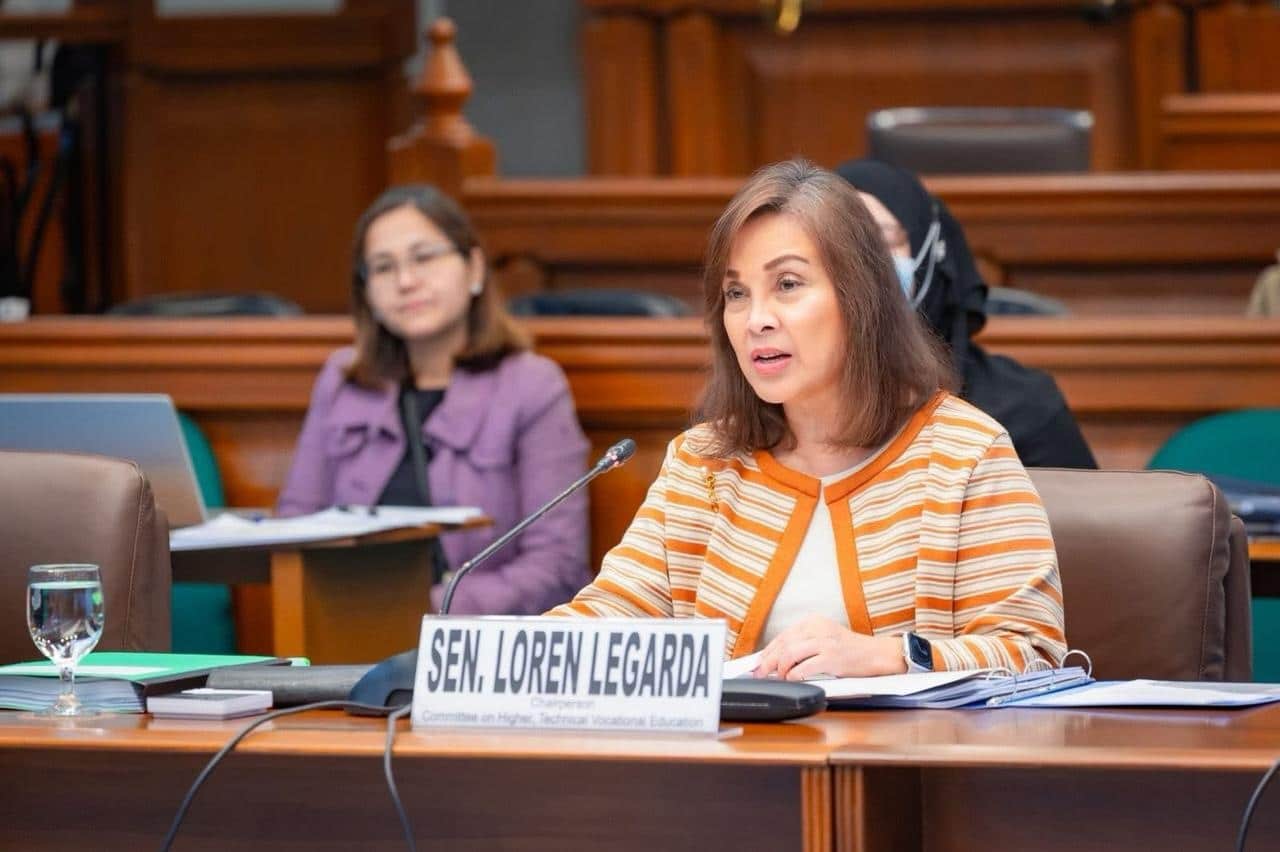
フィリピンで、高等教育への普遍的アクセスを強化する法律Republic Act No. 12325が成立し、貧困家庭の学生がより確実に教育を修了できるよう支援が拡充されることになった。ロレン・レグアルダ上院議員は、この法律が学生の就学継続と卒業を支援する上で重要な一歩であると歓迎している。
新法は、フェルディナンド・マルコス・ジュニア大統領が9月4日に署名したもので、特に経済的に困難な状況にある学生、具体的には4Ps(貧困家庭支援プログラム)世帯の高校卒業生を優先的に支援するよう、高等教育奨学金(TES)の配分を改善する。レグアルダ議員は、かつて教育に関する両院合同委員会の共同議長を務めた経験から、TES受益者のうち貧困層の割合が2018年の70.73%から2022年には22.89%に低下していたというデータを指摘し、現行制度では本当に支援を必要とする学生に行き届いていない実態を明らかにした。
「機会が普遍的であるとは言えない。最も貧しい人々が最後に支援を受けるような状況では」とレグアルダ議員は述べ、支援システムを強化することで、より多くの困窮家庭が子供たちに教育を受けさせる機会を得られるようにすると強調した。
さらに、新法ではTESの金額を定期的に見直し、教育費の変動に対応できるようにする。また、州立大学・カレッジ、地方大学・カレッジ、州立技術・職業教育機関は、障害者、地理的に孤立した地域や不利な状況にある学生、先住民、その他の不利な立場にある学習者が直面する障壁を取り除くための「公平性と包摂性計画」の策定が義務付けられる。私立教育支援プログラムも設立され、私立高等教育機関や技術・職業学校の学生への財政支援が行われる。
レグアルダ議員は、この法律が「政府は学生の入学数だけでなく、彼らが実際に卒業できるかどうかに焦点を当てるべきだ」という自身の教育政策における長年の主張を前進させるものだと述べている。経済的な理由で教育の機会を失ったり、夢を断念したりするフィリピンの若者がいなくなることを目指している。
情報源: Inquirer NewsInfo
多角的分析
Republic Act No. 12325 aims to boost human capital development by ensuring more students, especially from low-income households, complete tertiary education. This can lead to a more skilled workforce, increased productivity, and higher earning potential for individuals, ultimately contributing to broader economic growth and poverty reduction. The law's focus on actual educational costs beyond tuition acknowledges the multifaceted financial burdens faced by poor families, which could otherwise lead to high dropout rates. The regular review of subsidy amounts is crucial for maintaining the program's effectiveness in the face of inflation and rising educational expenses.
From an investor's perspective, this law signals a long-term commitment to human capital development, which is a positive indicator for future economic productivity and consumer spending. A better-educated populace can lead to a more innovative and competitive workforce, attracting foreign investment. However, the increased government spending on education subsidies may raise questions about fiscal sustainability and potential tax implications for businesses in the future. The law's success hinges on efficient implementation and resource allocation to ensure funds reach the intended beneficiaries without leakage.
The strengthened free college law directly impacts the aspirations of countless Filipino youth from disadvantaged backgrounds. For families struggling to make ends meet, this legislation offers a tangible pathway to upward mobility, breaking cycles of poverty. The inclusion of provisions for students with disabilities and those from geographically isolated areas signifies a move towards greater educational equity. However, the effectiveness of these plans will depend on how well state and local institutions implement the Equity and Inclusion Plans, ensuring that marginalized students are not just enrolled but are actively supported to succeed and graduate.
This law is a beacon of hope for many Filipino families who see education as the only way out of poverty. The previous system, while offering free tuition, often left students unable to afford transportation, books, or even daily meals, forcing them to abandon their studies. The new law's recognition of these hidden costs means that a student's dream of a college degree is now more attainable. For parents, it means less worry about their children's future and a greater chance for them to secure better-paying jobs, lifting the entire family's living standards. The inclusion of private institutions also broadens opportunities for those who might not have access to state universities.
AI Expert Roundtable
AI 専門家による深層討論会
※ この議論は記事内容に基づき AI エージェントによって自動生成されたシミュレーションです
背景・歴史的文脈
フィリピンにおける高等教育へのアクセスは、長らく経済的格差の壁に直面してきた。2017年に成立したRepublic Act No. 10931(Universal Access to Quality Tertiary Education Act)は、学費無償化を柱としたが、教材費、通学費、生活費などの実質的な教育コストが依然として多くの貧困層学生の進学・継続を阻んでいた。Second Congressional Commission on Education (Edcom II) の報告書は、このギャップを指摘し、支援の的を絞る必要性を訴えていた。今回のRepublic Act No. 12325は、こうした過去の課題を踏まえ、特に4Ps世帯の学生を優先するなど、支援対象と内容を具体的に強化するものである。
原文ソース
Inquirer NewsInfo