Philippines Advances Sustainable Non-woven Textiles from Natural Fibers
Environment
2026年6月30日
4
Philstar Business

Philippines Advances Sustainable Non-woven Textiles from Natural Fibers

AI サマリー

The Philippine Textile Research Institute (DOST-PTRI) is launching a new initiative focused on developing non-woven textiles from local natural fibers like banana pseudostems and pineapple leaves. This move aims to reduce reliance on plastics and address environmental challenges.

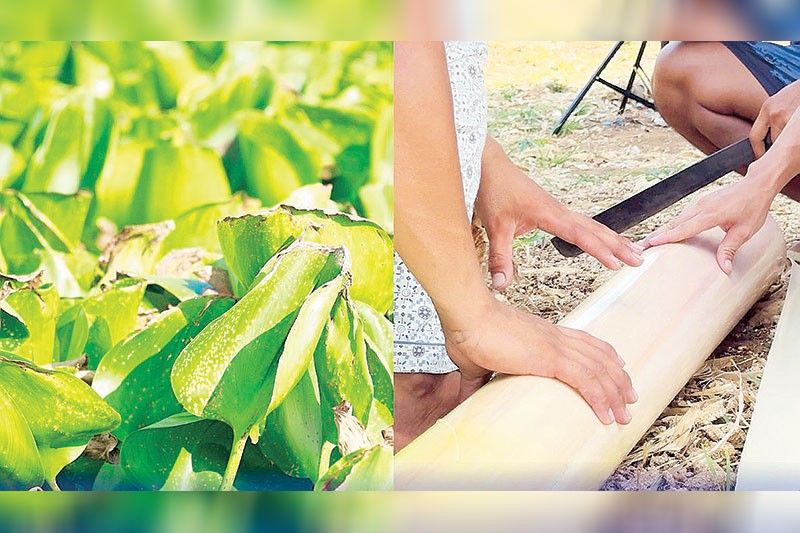
MANILA, Philippines — The Department of Science and Technology – Philippine Textile Research Institute (DOST-PTRI) will launch ONWARD: Philippine Non-woven Textile Innovation on July 1, at the SM North EDSA Annex Atrium. This initiative aims to introduce non-woven textiles developed through specialized machines and facilities, promoting sustainable, natural fiber–based alternatives to synthetic plastics across a wide range of applications. The launch sets a new direction for the Philippine textile industry, expanding beyond traditional woven fabrics and positioning nonwovens as a scalable response to environmental and climate challenges. This direction responds to findings from the Center for International Environmental Law, which notes that plastic-related emissions occur across the entire product lifecycle, from raw material extraction to disposal—a dependence that natural fiber–based nonwovens are designed to reduce. "We have already established ourselves in woven materials and now we want to leverage sustainability and technical innovation, and nonwovens are the perfect fit," said Julius Leaño Jr., director at DOST-PTRI. "The focus is on creating greater value, achieving larger-scale production and expanding applications beyond traditional woven products and apparel." The launch, open to the public, will feature an exhibition and expert discussions led by DOST-PTRI and its development partners, highlighting how agricultural resources such as banana pseudostems, pineapple leaves, bamboo, water hyacinth, and other locally available materials can be engineered into high-performance non-woven products. Non-woven textiles differ from conventional fabrics in that they are produced by directly bonding or interlocking fibers through mechanical, thermal, or chemical processes. This enables faster production, functional versatility, and broader industrial applications. While often unnoticed, non-woven materials are widely used in everyday products such as face masks, wipes, automotive interiors, footwear components, filtration systems, medical supplies, and construction materials.

多角的分析

経済的影響

この取り組みは、フィリピンの農業資源を新たな産業価値に転換する可能性を秘めている。バナナの茎やパイナップルの葉といった、これまで廃棄物とみなされがちだったものが、高付加価値の不織布製品へと生まれ変わることで、農家の収入向上や新たな雇用創ちにつながる可能性がある。これは、国内のサプライチェーンを強化し、輸入依存度を低減させる経済効果も期待できる。特に、持続可能な素材への世界的な需要の高まりを背景に、輸出産業としての成長も展望できる。

投資家心理

天然繊維由来の不織布市場は、環境意識の高まりとともに成長が期待される分野である。投資家にとっては、DOST-PTRIが開発する技術や、それに続く商業化の動向が注目点となる。初期投資は必要となるだろうが、長期的な視点で見れば、持続可能な製品へのシフトは大きなビジネスチャンスとなり得る。特に、BPO産業に次ぐ新たな産業の柱として、政府の支援策や民間企業の参入状況を注視する必要がある。

社会的影響

この技術革新は、プラスチック廃棄物問題に悩むフィリピン社会にとって、希望の光となり得る。特に、廃棄物処理能力が追いついていない地方部や沿岸部では、プラスチック汚染が深刻な問題となっている。天然繊維由来の不織布は、使い捨て製品の代替となり、環境負荷を低減するだけでなく、地方の農村部における新たな収入源の創出にも貢献する可能性がある。これにより、都市部と地方部の経済格差是正にも寄与することが期待される。

市民の声

この新しい不織布技術は、マニラ首都圏で生活する市民にとって、より安全で環境に優しい製品へのアクセスを増やす可能性がある。例えば、使い捨てマスクや衛生用品などが、より持続可能な素材で作られるようになることで、日常生活における環境への意識を高めるきっかけとなる。また、地方の農家にとっては、これまで有効活用されてこなかった農産物の副産物が新たな収入源となり、経済的な安定につながる可能性がある。これは、物価上昇に苦しむ多くの家庭にとって、間接的な恩恵となり得る。

背景・歴史的文脈

フィリピンでは、古くからバナナの繊維(「アバカ」など)が衣料品や工芸品に利用されてきた歴史がある。近年、環境問題への意識の高まりとともに、プラスチック代替素材への関心が世界的に高まっている。フィリピン政府は、国内の豊富な天然資源を活用し、高付加価値製品を開発することで、経済成長と環境保護の両立を目指す政策を推進している。今回の不織布開発は、こうした背景のもと、伝統的な繊維技術と現代のイノベーションを融合させた試みと言える。

原文ソース

Philstar Business

原文を読む