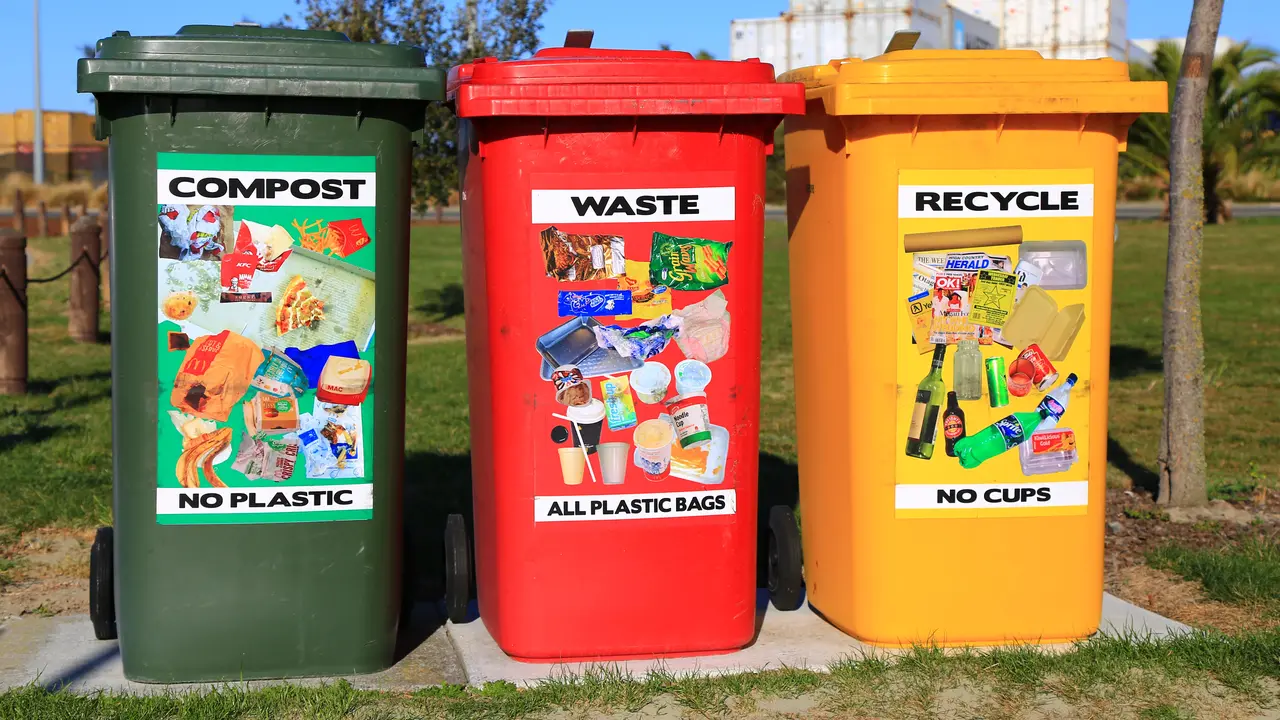
Central Jakarta Household Waste Sorting Participation Increases, Exceeding 20,000 Households
Culture
2026年7月6日
4
Liputan6

Central Jakarta Household Waste Sorting Participation Increases, Exceeding 20,000 Households

AI サマリー

Participation in household waste sorting in Central Jakarta is steadily increasing due to intensified awareness campaigns. As of early July 2026, over 20,000 households have implemented sorting, representing 16.23% of all households in the area.

Participation in household waste sorting from the source in Central Jakarta continues to show an increase, driven by intensified socialization and education efforts. According to the Head of the Central Jakarta Environmental Agency, Slamet Riyadi, as of July 1, 2026, a total of 20,209 households, or 16.23 percent of the 124,519 households in Central Jakarta, have implemented waste sorting. "The number of households sorting waste continues to increase compared to the previous month. This increase is driven by the direct socialization and education we conduct," said Slamet, as reported by Antara. He stated that in May 2026, the number of households in Central Jakarta sorting waste was recorded at 12,948. By June 22, 2026, this number rose to 14,330 households. As of July 1, 2026, 20,209 households spread across eight sub-districts have participated in waste sorting. Socialization and education are being conducted down to the neighborhood (RT) and community unit (RW) levels, as well as at the sub-district and district levels. Efforts are also being made to reach hotels, restaurants, and cafes (horeka) to broaden the reach of households sorting their waste. In addition to expanding public participation, the Central Jakarta Environmental Agency is also optimizing waste reduction by strengthening waste banks and processing organic waste at the source. The waste bank units successfully reduced waste generation by 1,176.32 tons from January to June 2026, averaging 6.21 tons per day. Meanwhile, the processing of organic waste using various methods, such as Black Soldier Fly (BSF) larvae bioconversion and composting, has reduced approximately 200 tons of organic waste from January to June 2026. Slamet emphasized that waste sorting from home is a crucial step to reduce the volume of waste sent to the Integrated Waste Treatment Site (TPST) Bantargebang, while also increasing the utilization of waste that still has economic value or can be reprocessed. Therefore, the agency will continue to expand education and assistance to the public to encourage more households to adopt the habit of sorting waste from the source as part of sustainable waste management. "The key to the success of this program is behavioral change among the public. Furthermore, the business sector and the market are also making efforts to sort and reduce waste from the source," explained Slamet. Source: Liputan6

多角的分析

経済的影響

家庭ごみ分別参加率の向上は、廃棄物処理コストの削減に直結する。TPST Bantargebangへの搬入量が減少すれば、処理費用やインフラ維持費の抑制につながる。また、ごみ銀行によるリサイクル可能な資源の回収や、BSF幼虫や堆肥化による有機ごみ処理は、新たな収益源や資源循環型経済への貢献となり得る。これは、ジャカルタ市の財政健全化と、より持続可能な都市開発モデルへの移行を促進する可能性がある。

投資家心理

廃棄物管理分野への投資機会が示唆される。分別参加率の向上は、リサイクル施設、有機ごみ処理プラント、または廃棄物由来エネルギー(Waste-to-Energy)プロジェクトへの関心を高める可能性がある。特に、BSF幼虫による処理は、肥料や飼料としての活用が期待されており、関連技術を持つ企業にとって魅力的な投資対象となり得る。政府の支援策があれば、これらの分野への民間投資が加速するだろう。

社会的影響

ジャカルタ中心部では、20,209世帯がごみ分別を実践しており、これは地域住民の環境意識の向上と、政府による継続的な啓発活動の成果と言える。しかし、目標達成にはさらなる努力が必要であり、特に低所得者層や集合住宅居住者へのきめ細やかな教育・支援が求められる。RT/RWレベルでの活動は地域コミュニティの連携を強化する一方で、情報格差や地域間の意識の差が課題となる可能性もある。

市民の声

ジャカルタ市民、特に中心部では、ごみ分別への意識と実践が着実に高まっている。これは、日々の生活におけるごみ出しの負担軽減や、より清潔な居住環境への期待につながる。しかし、分別方法の複雑さや、分別したごみが適切に処理されているかという不確実性は、市民の継続的な参加を妨げる要因となり得る。ごみ処理の透明性向上と、分別インセンティブの導入が望まれる。

背景・歴史的文脈

インドネシア、特にジャカルタのような大都市では、急速な人口増加と経済発展に伴い、深刻なごみ問題に直面してきた。TPST Bantargebangへのごみ集中は、環境汚染や土地不足といった課題を引き起こしている。こうした背景から、インドネシア政府は2019年に「国家ごみ管理マスタープラン」を策定し、2050年までに廃棄物ゼロを目指す方針を掲げた。本件の家庭ごみ分別プログラムは、この国家目標達成に向けた具体的な取り組みの一環であり、市民の行動変容を促すことで、ごみ処理の効率化と資源循環の促進を図っている。

原文ソース

Liputan6

原文を読む
Central Jakarta Household Waste Sorting Participation Increases, Exceeding 20,000 Households | NEWS-BRAIN