Hai Phong deploys radar system to steer fishing vessels to safety ahead of Storm Maysak
Environment
2026年7月4日
3
VietnamPlus English

Hai Phong deploys radar system to steer fishing vessels to safety ahead of Storm Maysak

AI サマリー

As Tropical Storm Maysak approaches, Hai Phong City in northern Vietnam has deployed a radar system to ensure the safety of fishing vessels. This measure enhances vessel tracking and guidance away from dangerous areas, aiming to protect lives and assets.

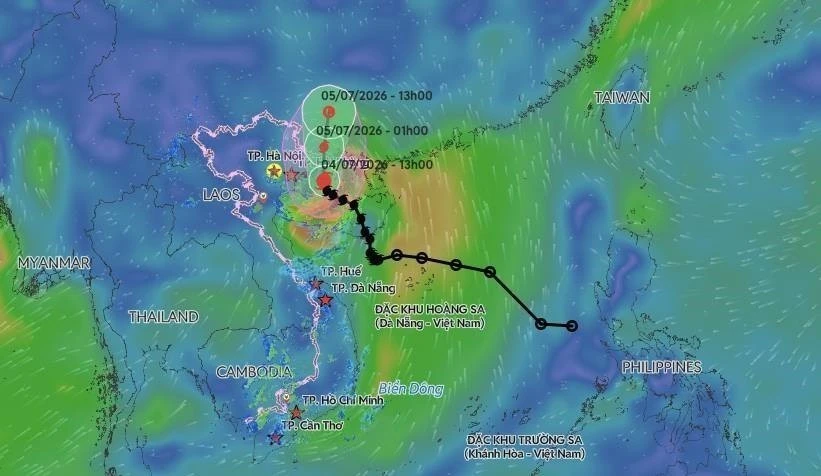
As Tropical Storm Maysak approaches the Gulf of Tonkin in northern Vietnam, Hai Phong City has bolstered its measures to ensure the safety of fishing vessels. The city has deployed a radar system along its coast, enabling the tracking and guidance of vessels away from dangerous areas. This is part of a broader effort across northern regions to enhance disaster preparedness in response to Maysak, the first tropical storm to enter the East Sea this year, bringing gusts of up to level 11. On July 3, the Ministry of Agriculture and Environment convened an emergency meeting with local authorities to coordinate response measures. Authorities have been instructed to track and inform vessels, guide ships away from dangerous zones, and ensure safe anchorage. Localities are also empowered to ban sea operations when necessary, prepare search-and-rescue forces, and ensure the safety of tourism activities, aquaculture, and offshore infrastructure. According to the National Centre for Hydro-Meteorological Forecasting, Storm No. 1 is expected to enter the Gulf of Tonkin late on July 3 and make landfall between Quang Ninh province and China's Guangxi region on July 4. Consequently, the Quang Ninh provincial Department of Agriculture and Environment issued an urgent directive suspending the issuance of permits for vessels operating overnight stays and evening tours in local waters from noon on July 3. Furthermore, regarding fishing vessels measuring 15 meters or longer, the Da Nang Department of Agriculture and Environment reported that 100% have installed VMS (Vessel Monitoring System) devices and completed mandatory vessel identification, significantly strengthening fisheries management and the prevention of Illegal, Unreported, and Unregulated (IUU) fishing. These measures are crucial steps in enhancing resilience to natural disasters and fulfilling Vietnam's responsibilities in fisheries management and international commitments. Information source: VietnamPlus English

多角的分析

経済的影響

熱帯低気圧メーサークの接近は、沿岸部の漁業および関連産業に直接的な経済的影響を与える。漁船の出港停止や養殖施設の被害は、短期的な漁獲量の減少や生産コストの増加につながる。しかし、レーダーシステムの導入やVMSの普及は、長期的に見て漁業管理の効率化と違法漁業の抑制に貢献し、持続可能な漁業経済の基盤強化に寄与すると考えられる。また、インフラ被害の復旧には公的資金の投入が必要となるため、国家財政への影響も考慮される。

投資家心理

漁業や沿岸インフラへの投資家にとって、熱帯低気圧の接近は短期的なリスク要因となる。漁船の損失や養殖施設の被害は、直接的な資産価値の低下を招く可能性がある。しかし、ベトナム政府が推進する漁業管理の強化や、自然災害への対応能力向上への投資は、長期的な事業の安定性と持続可能性を高める要因となり得る。特に、VMSのような技術導入への投資は、リスク管理の観点から評価されるだろう。

社会的影響

熱帯低気圧メーサークの接近は、ハイフォン市やクアンニン省などの沿岸地域に居住する漁業従事者やその家族の生活に直接的な影響を与える。出港停止は収入の途絶を意味し、生活基盤の維持が困難になる可能性がある。また、沿岸部のインフラへの被害は、地域社会の生活環境を悪化させる恐れがある。政府による迅速な避難誘導や、災害後の復旧支援は、地域住民の安全と生活再建のために不可欠となる。レーダーシステムの導入は、漁船員の安全確保に貢献するが、その効果は十分な情報伝達と避難指示の徹底にかかっている。

市民の声

熱帯低気圧メーサークの接近は、沿岸地域の住民、特に漁業に依存する人々の生計に直接的な影響を与える。出港停止は収入の減少を意味し、家族の生活を圧迫する可能性がある。また、インフラへの被害は、日常生活の利便性を損なうだけでなく、安全への懸念も高める。政府による災害対策の迅速な実施と、復旧支援の充実が、住民の不安を軽減し、生活再建を支える上で重要となる。レーダーシステムは漁船員の安全に寄与するが、その恩恵は地域全体に及ぶものではない。

背景・歴史的文脈

ベトナムは、東南アジアに位置し、長い海岸線を持つため、熱帯低気圧による自然災害の影響を受けやすい国である。特に北部沿岸地域は、毎年夏から秋にかけて台風の襲来に見舞われる。過去には、2020年の熱帯低気圧メーサークのように、甚大な被害をもたらした事例も少なくない。ベトナム共産党一党体制の下、政府は災害対策を国家的な重要課題と位置づけ、中央集権的な指揮系統を通じて、地方自治体と連携して対応を進めている。近年は、インフラ整備や早期警報システムの強化、国際協力などを通じて、災害への対応能力向上に努めている。VMSのような技術導入は、漁業資源の持続可能な管理と違法漁業の撲滅を目指す国際的な取り組みとも連動している。

原文ソース

VietnamPlus English

原文を読む