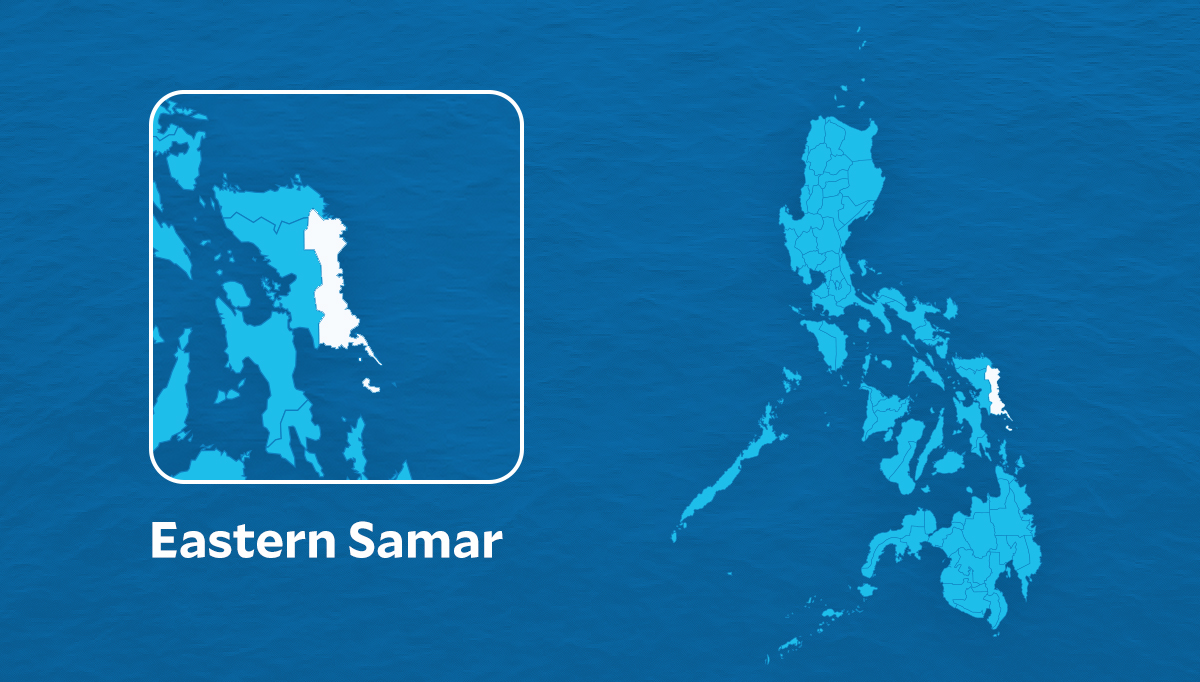
Eastern Samar launches Phase 2 of maternal, child health project
Eastern Samar province in the Philippines has launched the second phase of a maternal and child health project, involving KOICA and World Vision Philippines, aiming to improve healthcare services in municipalities struggling with geographic isolation and limited resources.
INQUIRER FILES TACLOBAN CITY, LEYTE, Philippines — The provincial government of Eastern Samar, the Korea International Cooperation Agency (KOICA), and World Vision Philippines have launched the second phase of a maternal, newborn, and child health (MNCH) project that will run until 2030, expanding efforts to improve healthcare services in some of the province’s most underserved municipalities. The partnership paves the way for a new five-year program that will focus on Jipapad, Maslog and Giporlos towns, where access to quality maternal and child healthcare remains limited due to geographic isolation and inadequate health resources. The project aims to reduce maternal and infant deaths by improving prenatal, childbirth, postnatal, and child healthcare services. It will also strengthen referral systems, upgrade the skills of healthcare workers, improve health facilities, and increase community awareness to ensure mothers and children receive timely medical care. READ: Preventable: 60,000 PH children die per year before 5th birthday World Vision-KOICA MNCH Project Manager Romil Jeffrey Juson said the new partnership agreement forged last July 10 represents more than the continuation of a development program. He said Phase 2 will focus on making the gains of the first phase sustainable by strengthening the province’s healthcare referral network. READ: Maternal, birth care: When life, death are decided by economic status “By strengthening this network, we bridge gaps, streamline services, and build a localized healthcare ecosystem that can withstand future challenges independently,” Juson said. He added that the project also supports the government’s Universal Health Care program by ensuring safe childbirth services and quality healthcare for children. Project Director Jihwan Jeon thanked the provincial and municipal governments for supporting the initiative and said the positive results of the first phase encouraged KOICA to continue its partnership in Eastern Samar. “So, now we are officially advancing into Phase 2 of the project. We will proudly partner with the provincial government of Eastern Samar and work alongside the municipal governments of Giporlos, Jipapad, and Maslog,” Jeon said. Vice Governor Maria Caridad Sison-Goteesan expressed gratitude to KOICA and World Vision for continuing to invest in the province’s healthcare sector. “We have long been ranked among the country’s poorest provinces, but with the continued support of KOICA and World Vision, we are confident that we can reach those who have remained underserved and provide them with the healthcare they deserve,” she said. The first phase of the project began in 2021 and focused on improving healthcare facilities, strengthening referral systems, and training health workers in the municipalities of Taft, Dolores, Quinapondan, and General MacArthur. Officials said the second phase seeks to institutionalize those gains and build a more resilient healthcare system for mothers and children. Similar KOICA-World Vision maternal and child health programs have also been implemented in Samar, Northern Samar, Southern Leyte, and the cities of Tacloban and Ormoc. /cb
多角的分析
東サマール州はフィリピン国内でも貧困率が高い地域であり、医療インフラへの投資は地域経済の活性化に不可欠である。母子保健の改善は、将来の労働力となる子供たちの健康増進につながり、長期的な経済発展の基盤を強化する。また、医療従事者の育成や施設の整備は、地域における雇用創ち創出にも貢献する可能性がある。KOICAのような国際機関からの資金援助は、財政的に厳しい地方自治体にとって、持続可能な開発目標(SDGs)達成に向けた重要な推進力となる。
このプロジェクト自体は直接的な投資機会を生むものではないが、地域全体の健康水準と生活の質の向上は、将来的な経済成長のポテンシャルを高める。投資家にとって、これはフィリピンの地方開発における長期的な安定性を示す指標となりうる。特に、医療・ヘルスケア分野への国際的な支援は、同分野におけるフィリピン国内の民間投資を誘発する可能性も秘めている。しかし、地理的孤立といったインフラの課題は、依然として投資リスクとなりうる。
東サマール州のジパパド、マスログ、ギポルロスといった自治体では、地理的な隔絶が原因で、妊産婦や子供たちが基本的な医療サービスからも遠ざけられている。このプロジェクトは、単に医療を提供するだけでなく、医療従事者のスキル向上や地域住民の健康意識向上を通じて、地域社会のエンパワーメントを目指している。これにより、これまで医療へのアクセスが困難だった人々が、より安全で健康的な生活を送れるようになることが期待される。これは、フィリピン全土で推進されているユニバーサル・ヘルス・ケアの理念を、最も支援を必要とする地域で具体化する試みである。
東サマール州の住民、特に妊産婦や子供を持つ家庭にとって、このプロジェクトは生命線となる。これまで、出産や子供の病気で適切な医療を受けられず、命の危険にさらされることも少なくなかった。プロジェクトの第2期により、医療施設へのアクセスが改善され、専門的な医療を受けられる機会が増えることは、多くの家族にとって大きな安心材料となる。また、地域医療従事者のスキルアップは、身近な場所で質の高い医療を受けられる可能性を高め、地域住民の健康に対する信頼感を醸成するだろう。
背景・歴史的文脈
フィリピンは地理的に多くの島嶼から成り立ち、特に地方や離島ではインフラ整備が遅れがちであり、医療サービスへのアクセスが大きな課題となっている。東サマール州は、国内でも貧困率が高い地域の一つとして知られ、経済的な制約に加え、険しい地形や広大な海域による地理的な孤立が、医療資源の不足とアクセス困難さを深刻化させている。過去にも、国際機関やNGOによる医療支援は行われてきたが、持続的な改善には、政府による地域に根差した医療システムの構築と、継続的な国際協力が不可欠である。ユニバーサル・ヘルス・ケア(UHC)法が2019年に施行されたが、その理念を全国津々浦々で実現するには、このような草の根レベルでの支援が重要となる。
原文ソース
Inquirer NewsInfo