General articles are free for 24 hours after publish.
Philippine Peso Hits Record Low Amid Rising Oil Prices and Geopolitical Tensions
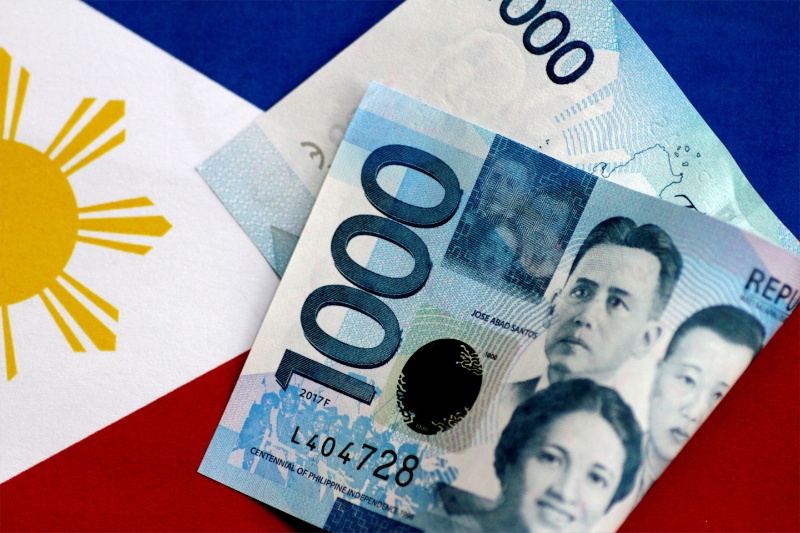
The Philippine peso hit a record low, joining other Asian currencies under pressure from a global bond market rout and rising oil prices due to renewed geopolitical tensions involving Iran. This trend raises concerns about its impact on the domestic economy.
The Philippine peso slid to a record low on Wednesday, leading losses among Asian currencies as a global bond market rout and higher oil prices following renewed U.S. attacks on Iran rattled risk sentiment across the region. MSCI’s global EM currency index slipped 0.2%, putting it on track for its worst session in a month and to snap a 10-session winning streak if current trends hold. Assets across emerging Asia came under pressure as investors shed risk assets after U.S. Treasury yields climbed to multi-year highs and oil prices topped the key $95-a-barrel mark after Washington launched fresh strikes on Iran. [MKTS/GLOB][O/R] The Philippine peso hit a record low of 62.652 per U.S. dollar, pressured by elevated oil prices and concerns over the country’s external position. The country’s stock market slid 1%. Maybank analysts said the peso was likely to remain under pressure because of its “unfavourable external position and low real rates”, with high oil prices and the prospect of increased capital goods imports likely to weigh on the currency. Additionally, remittance flows are providing less support as growth from major source markets such as the United States and Middle Eastern countries has either been modest or shown signs of slowing, the analysts added. Investor caution was also evident in EM bond markets, with benchmark 10-year bonds in Indonesia and the Philippines posting price losses of 7.6% and 23.6%, respectively, so far this year, according to LSEG-compiled data. Indonesia’s 10-year bond yields jumped 23.9 basis points to 7.229%. The U.S. 10-year Treasury yield rose to a near three-year high and Japan’s five-year government bond yield hit a record 2.295%, reducing investors’ appetite for emerging market assets. [US/][JP/] Among other currencies, Indonesia’s rupiah and Taiwan’s dollar weakened 0.3% each. Thailand’s baht lost 0.1% after earlier touching its weakest level since early August. Meanwhile, the MSCI gauge of EM Asia equities dropped 1.8% to an over one-week low, with top constituents South Korea’s KOSPI and Taiwan’s benchmark losing 3.1% and 1.3%, respectively. Indonesian stocks eased 0.2% after earlier rising to their highest level since mid-May, while Thailand’s slipped 0.4%. Shares in Singapore and Malaysia were largely flat. Investors now await U.S. nonfarm payrolls report, due on Friday, for clues on whether the Federal Reserve will raise rates later this month. HIGHLIGHTS: —Reporting by Kumar Tanishk in Bengaluru; Editing by Sherry Jacob-Phillips
Original source
Interaksyon Politics