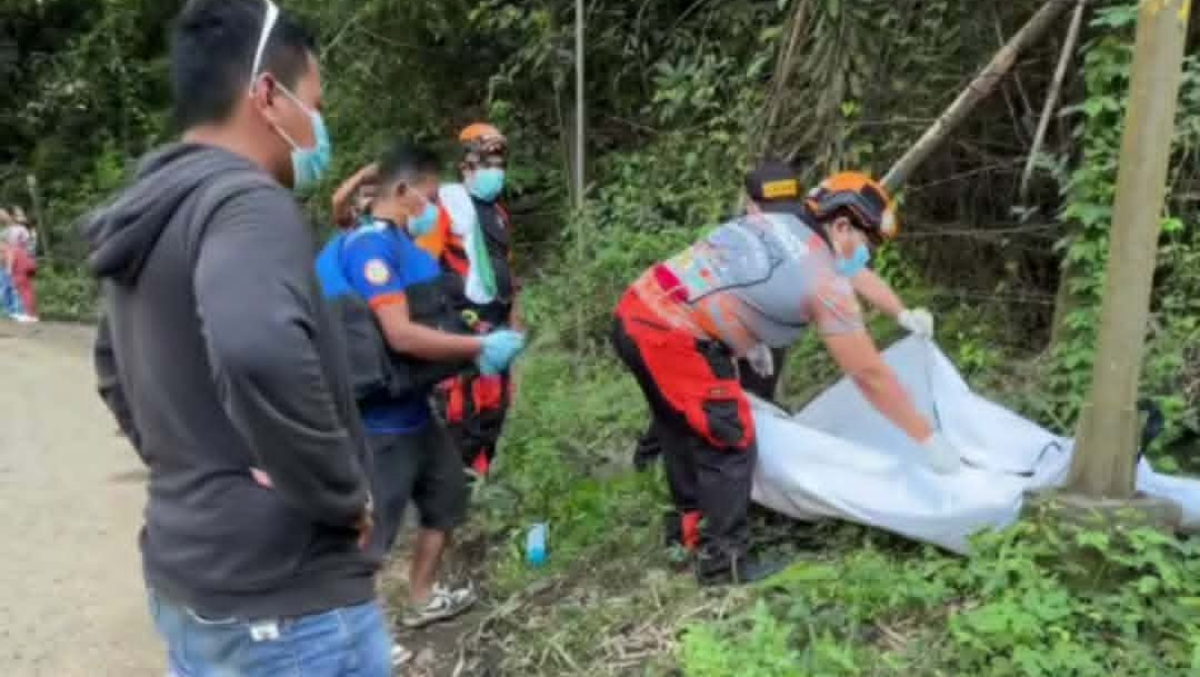
Two Boys Die in Bukidnon Floods, One Missing as Search Continues
A 6-year-old boy has been found dead in Bukidnon, Philippines, following flash floods that also claimed the life of his 12-year-old brother. Their father was rescued. The search for the younger boy had been ongoing for three days. The incident highlights the impact of climate change and infrastructure vulnerabilities in the region.
MARAMAG, Bukidnon — The body of a 6-year-old boy who had been missing for three days after being swept away by floodwaters in Bukidnon was recovered Wednesday afternoon at Pulangi River behind the Crystal Sugar Milling Co. Inc. here. The boy was identified by his grandmother and older brother, bringing a tragic end to the search that began after he and his 12-year-old brother were carried away by strong currents while crossing a spillway with their father on a motorcycle in Quezon town on Monday. Police Corporal Early Bird Resaba of the Maramag police station, said a resident of Purok 8-A, North Poblacion, reported early Wednesday that a child’s body was seen floating in the river, locally known as “Lilo,” and notorious for its strong current. Resaba immediately coordinated with the Maramag Municipal Disaster Risk Reduction and Management Office (MDRRMO) and the Quezon MDRRMO, prompting a joint search operation with the local police. Responders initially failed to locate the body, but at around 2 p.m., rescuers found it downstream from the reported location. The boy’s older brother, 12, was found dead Tuesday morning after his body became entangled in large tree debris in Katipunan River in Sitio Sadiri, near the Valencia City–Quezon boundary. The siblings were swept away on July 13 after the motorcycle they were riding with their father was overwhelmed by floodwaters while crossing the spillway near the boundary of Barangays Dagat-Kidavao in Valencia City and Lumintao in Quezon, Bukidnon. Their father survived after residents rescued him with ropes. /gsg
多角的分析
この事件は、直接的な経済的損失に加え、インフラへの投資の遅れや気候変動対策の不備といった構造的な問題を露呈している。洪水による農作物被害や交通網の寸断は、地域経済に短期的な打撃を与える。長期的に見れば、インフラ投資の遅れは経済成長の足かせとなり、国際的な投資家にとってリスク要因となりうる。フィリピン政府は、気候変動への適応策とインフラ整備に、より一層の資源を配分する必要がある。
投資家にとって、フィリピンにおける自然災害のリスクは、事業継続計画(BCP)やサプライチェーンの脆弱性に関する懸念を高める。特にインフラ関連のプロジェクトや、自然災害の影響を受けやすい地域に拠点を置く企業への投資は、リスク評価がより慎重になるだろう。気候変動への適応策やインフラ投資を積極的に行う企業やプロジェクトは、長期的な視点では有望視される可能性がある。
この悲劇は、フィリピンの地方部における脆弱なコミュニティが、気候変動の直接的な影響に直面している現実を示している。6歳と12歳の兄弟の命が失われたことは、家族や地域社会に深い悲しみをもたらす。特に、地方部ではインフラ整備が遅れており、早期警報システムや避難計画が不十分な場合が多い。このような災害は、社会経済的に弱い立場にある人々が最も大きな被害を受ける傾向があり、格差の拡大にもつながりかねない。バランガイ・ダガット・キドバオやルミントアオといった地域住民の生活が、気候変動の影響に直結している。
ブキドノン州の住民、特に洪水リスクの高い地域に住む人々にとって、このような悲劇は日常的な不安を増幅させる。子供たちの安全が脅かされる現実は、親たちに深い懸念を抱かせる。過去の同様の事例から、インフラの不備や防災対策の遅れが、被害を拡大させているという認識は広く共有されている。政府による迅速かつ効果的な防災・減災対策への期待は高いが、その実施状況に対する不満や不安も根強く存在する。特に、バランガイ・ダガット・キドバオやルミントアオのような地域では、インフラの脆弱性が生活に直結している。
背景・歴史的文脈
フィリピンは「アジアのウォーターテーブル」と呼ばれるほど河川が多く、台風やモンスーンの影響を受けやすいため、古くから洪水被害に悩まされてきた。近年、気候変動による異常気象の頻発化・激甚化は、この問題を一層深刻化させている。2021年のIPCC(気候変動に関する政府間パネル)の報告書でも、東南アジア地域は海面上昇や極端な気象現象のリスクが特に高いと指摘されている。過去には、2013年の台風ヨランダ(ハイエン)のように、壊滅的な被害をもたらした事例も少なくない。これらの災害は、しばしばインフラの不備や都市計画の甘さと相まって、被害を拡大させてきた。政府は防災・減災対策の強化を掲げているが、予算配分や実施体制の課題が指摘されることも多い。
原文ソース
Inquirer NewsInfo