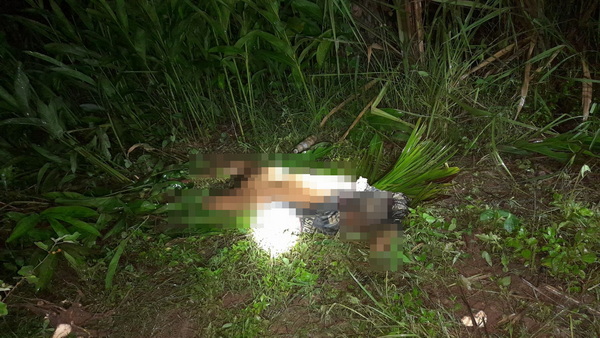
Wild Elephant Attack Claims One Life in Khon Kaen, Thailand
A wild elephant attack has resulted in the death of one resident in Khon Kaen province, northeastern Thailand. This incident highlights the ongoing conflict between humans and wildlife in the region, raising concerns for local communities. Authorities are reportedly expediting measures to address the issue.
A wild elephant attack in Ban Wang Khon Daeng village, Mueang district, Khon Kaen province, northeastern Thailand, has resulted in the death of one resident. This incident highlights one of the serious issues of increasing human-wildlife interaction in Thailand. Khon Kaen province is a naturally rich area adjacent to wild elephant habitats. In recent years, cases of wild elephants encroaching into human settlements and agricultural lands have been on the rise, attributed to habitat destruction and dwindling food resources. Consequently, instances of crop damage by elephants and, as seen in this case, human casualties are being reported. Local authorities have expressed condolences to the victim's family and are considering measures to prevent recurrence. These may include strengthening systems for collecting and sharing elephant sighting information, issuing warnings to residents, and, if necessary, safely guiding elephants away from populated areas. However, implementing effective measures across scattered villages in a vast territory presents challenges, requiring a balance between ensuring resident safety and wildlife conservation. Incidents of this nature are a widespread problem across Thailand, posing a direct threat to the livelihoods of residents, particularly in rural areas. There are calls for more comprehensive, long-term strategies aimed at coexistence between humans and elephants.
多角的分析
野生象による農作物被害は、タイの農村部における経済的損失の主要因の一つとなっている。特に、象が侵入しやすい地域では、農家が収穫を諦めざるを得ない状況も発生しうる。これは、農家の所得安定を脅かし、地域経済の停滞に繋がる可能性がある。対策には、象の侵入を防ぐ物理的な障壁の設置や、被害補償制度の拡充などが考えられるが、その費用対効果や持続可能性が課題となる。
この種の事件は、直接的な投資リスクとはなりにくいものの、タイの農村部における社会インフラや地域経済の不安定要因となりうる。特に、農業関連の投資や、観光業(エコツーリズムなど)への影響が懸念される。投資家は、こうした社会的なリスク要因を考慮し、投資先の地域や産業の安定性を評価する必要がある。
コンケン県バーン・ワン・コンデーン村で発生した野生象による襲撃事件は、タイの農村部における住民の安全に対する深刻な懸念を浮き彫りにした。野生象の生息域と人間社会の境界線が曖昧になるにつれて、住民はいつ襲われるか分からない不安を抱えながら生活している。象による農作物被害は、生計を立てる上での直接的な打撃となる。この問題は、単なる動物との遭遇事故ではなく、人間と野生動物の共存という、より広範な社会課題として捉える必要がある。住民は、象の行動パターンや危険な時間帯に関する情報提供、そして万が一の際の避難計画の策定など、具体的な対策を求めている。
コンケン県バーン・ワン・コンデーン村の住民にとって、野生象は生活の脅威となっている。象が農作物を食い荒らすだけでなく、今回のように住民自身が襲われる危険に常に晒されている。夜間や早朝の外出は特に危険を感じるだろう。農家は、せっかく育てた作物が象に食い荒らされることで、収入を失うことへの不安を抱えている。行政からの具体的な安全対策や、被害が発生した場合の補償について、より迅速で実効性のある対応を期待している。
背景・歴史的文脈
タイにおける野生象と人間の衝突は、長年にわたる開発と森林伐採が原因で深刻化してきた。1970年代以降、急速な経済成長に伴う土地利用の変化は、象の生息地を縮小させた。これにより、象は食料や水を求めて人間の居住地域や農耕地へと進出するようになり、農作物被害や人的被害が頻発するようになった。特に、タイ北西部や北東部では、象の生息密度が高く、人間との接触機会も多い。政府は、国立公園の設置や野生生物保護区の指定などの対策を講じてきたが、根本的な生息地の回復や、人間と象の共存を可能にするための長期的な土地利用計画の策定が急務となっている。
原文ソース
MGR Online (Regional)