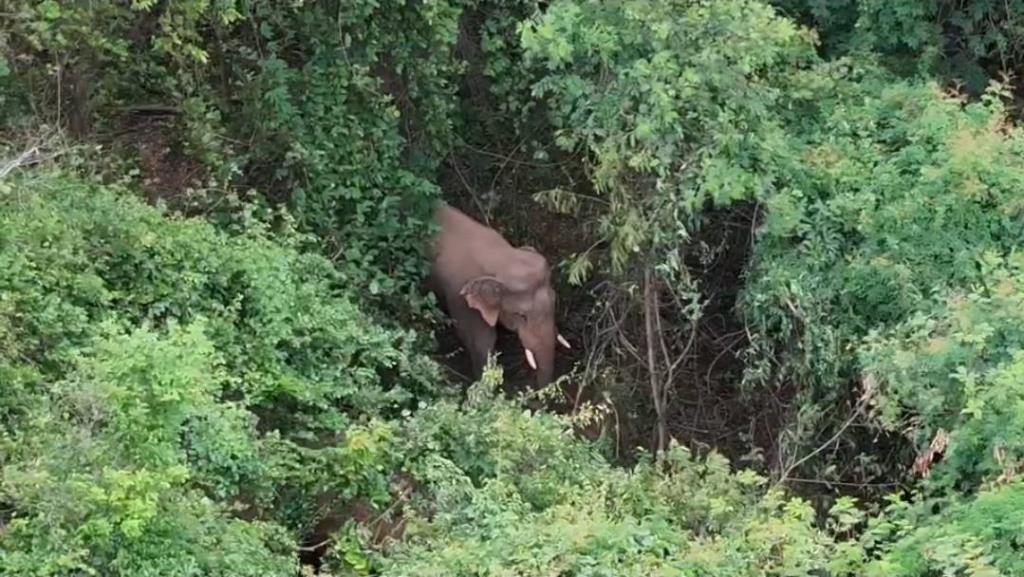
Wild Elephants Ravage Crops in Sa Kaeo, Thailand, Leaving Villagers Devastated
Society
2026年7月12日
3
MGR Online (Regional)

Wild Elephants Ravage Crops in Sa Kaeo, Thailand, Leaving Villagers Devastated

AI サマリー

A herd of wild elephants has caused severe damage to villagers' crops in Sa Kaeo Province, eastern Thailand. Local residents are living in fear of elephant incursions and are urgently calling for preventative measures.

A herd of wild elephants has caused severe damage to villagers' agricultural produce in the Phra Phloeng sub-district of Sa Kaeo Province, eastern Thailand. Local residents are suffering from the destruction of their crops, including corn and other produce, which are being trampled and consumed by the elephant herds that roam the farmlands at night. This incursions have resulted in significant economic losses for the villagers, jeopardizing their livelihoods. The presence of the elephants has also instilled fear and anxiety among residents, leading them to restrict their movements, especially after dark. There are urgent calls from the affected villagers for effective measures to protect their crops from further elephant attacks. The situation necessitates prompt intervention and support from the government and relevant agencies to foster coexistence between humans and elephants. This incident highlights the escalating conflict between wildlife and humans in Thailand. Particularly in rural areas, encroachment into human settlements and farmlands by wild animals is on the rise due to development and habitat fragmentation, posing a threat to the safety and economic stability of local communities. Source: MGR Online (Regional)

多角的分析

経済的影響

象の群れによる農作物被害は、タイの地方経済、特に農業に依存する地域において、直接的な経済損失をもたらす。収穫量の減少や作物の全滅は、農家の収入を激減させ、地域経済全体の活性化を妨げる要因となる。被害額の補償や、再発防止策への投資は、タイ政府にとって経済的負担となる可能性がある。

投資家心理

この種の事象は、直接的な投資リスクとはなりにくいが、タイの農業セクターへの投資、あるいは農村部での事業展開を検討する際には、環境リスク、特に野生動物との共存問題が考慮すべき要因となることを示唆する。サプライチェーンへの影響も無視できない。

社会的影響

サケオ県プラペーリング地区の住民は、象の襲撃により、農作物の被害だけでなく、夜間の外出を控えるなど、生活の安全と安心を脅かされている。これは、人間と野生動物との境界線が曖昧になることで生じる、地域住民の心理的負担と生活様式の変化を浮き彫りにしている。象の保護と住民の生活保障との間のバランスが問われている。

市民の声

タイの地方住民、特に農業従事者は、野生動物との接触リスクに常に晒されている。象の襲撃は、食料安全保障や経済的安定に直接的な影響を与えるだけでなく、住民の精神的な健康にも影響を及ぼす。政府による迅速かつ実効性のある対策が、住民の信頼を得る上で不可欠である。

背景・歴史的文脈

タイにおける野生象と人間との軋轢は、長年にわたる森林伐採、農地拡大、インフラ開発による象の生息地の縮小が主な原因である。象は広大な移動範囲を必要とするため、生息地の分断は、彼らを人間の居住地域や農作物へと駆り立てる。特に、タイ東部のサケオ県を含む地域は、過去の農地開発により象の移動経路が変化し、人間との遭遇が増加している。過去にも同様の被害報告は複数あり、政府は象の保護と地域住民の安全確保のために、緩衝地帯の設置や電気柵の設置、象の移動経路のモニタリングなどの対策を講じてきたが、根本的な解決には至っていない。

原文ソース

MGR Online (Regional)

原文を読む