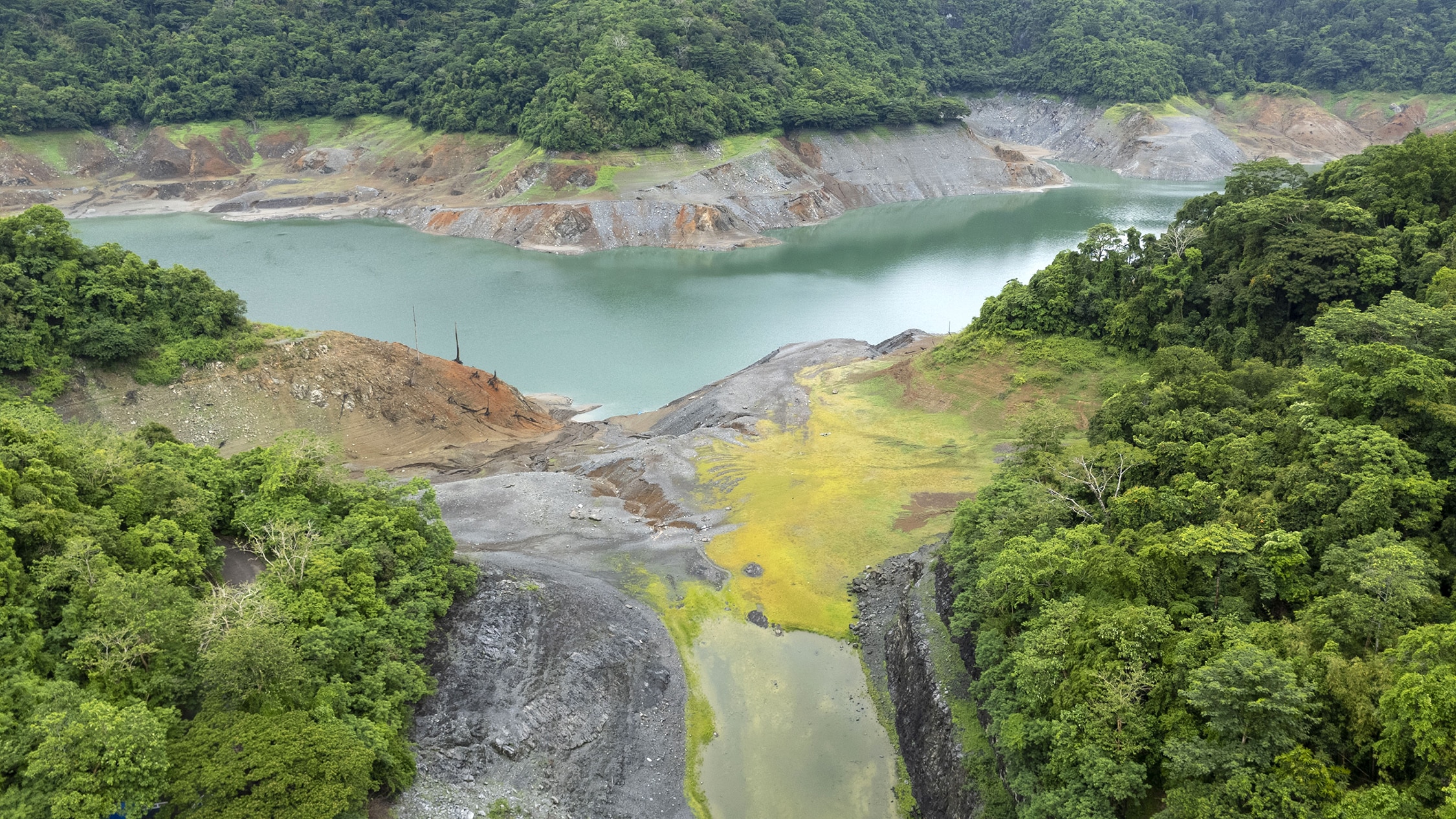
Angat Dam Water Level Drops Below Critical Mark, Raising Concerns for Metro Manila
Infrastructure
2026年7月1日
3
Inquirer NewsInfo

Angat Dam Water Level Drops Below Critical Mark, Raising Concerns for Metro Manila

AI サマリー

The water level at Angat Dam, the primary water source for Metro Manila, has fallen below the critical threshold of 160 meters. With lingering El Niño effects and low rainfall projections, water levels are expected to continue dropping until early July, sparking concerns of potential shortages.

MANILA, Philippines — Angat Dam’s water level has dipped below the 160-meter critical threshold, according to the Philippine Atmospheric, Geophysical, and Astronomical Services Administration (Pagasa). As of Tuesday, the primary water source of the National Capital Region stood at 159.95 meters, nearly 0.8 meters lower than Monday’s 160.71-meter water level. The normal high water level of Angat Dam is around 210 meters, with a minimum operating level of 180 meters. Despite heavy rains affecting major parts of Luzon and the Visayas due to the low-pressure area, only 1 to 15 millimeters of rainfall are projected over the watershed located in Norzagaray, Bulacan, within the next 24 hours, according to Pagasa. The state weather bureau further projected that the water level of the Angat sub-basin will continue to decline until July 1. READ: Bulacan river overflows but Angat level still below operating level READ: Pagasa: Over 60% chance of El Nino intensifying from August onwards Previously, Pagasa specialist Jofren Habaluyas mentioned during its climate forum last June 24 that the critical watershed is expected to continuously replenish by the second or third week of July due to rainfall from the Southwest Monsoon or Habagat. Habaluyas maintained extreme caution over Angat Dam due to the lingering effects of El Niño. /mcm

多角的分析

経済的影響

アンgatダムの水位低下は、首都圏の工業用水や農業用水の供給に直接的な影響を与え、生産コストの上昇や供給制約を引き起こす可能性があります。特に、水資源への依存度が高い産業では、操業停止や移転を余儀なくされるリスクも考えられます。また、水不足はインフレ圧力となり、国民生活を圧迫する要因となり得ます。

投資家心理

水不足は、飲料水供給会社や関連インフラ企業にとって短期的なリスク要因ですが、長期的には水処理・リサイクル技術や代替水源開発への投資機会を生み出す可能性があります。しかし、エルニーニョの影響が長期化するリスクは、フィリピン経済全体の不確実性を高め、海外からの直接投資を抑制する要因となることも考えられます。

社会的影響

水位低下は、首都圏の市民生活に直接的な影響を及ぼします。給水制限の可能性は、家庭での水の使用を困難にし、衛生問題や生活の質の低下を招く恐れがあります。特に、低所得者層は水の使用量に限りがあるため、より深刻な影響を受ける可能性があります。また、水不足は社会的な緊張を高める要因にもなり得ます。

市民の声

マニラ首都圏の市民、特に一般家庭では、日々の生活用水の確保が喫緊の課題となります。シャワーや洗濯、調理など、日常生活のあらゆる場面で水の使用に制限がかかる可能性があり、節水を心がける必要に迫られます。これは、特に子供のいる家庭や高齢者世帯にとって、負担の増加につながります。また、水不足による衛生状態の悪化は、健康への懸念も引き起こします。

背景・歴史的文脈

フィリピンは熱帯モンスーン気候に属し、年間降水量は多いものの、乾季には水不足が発生しやすい地理的・気候的条件を持つ。アンgatダムは、1967年に建設され、マニラ首都圏の約90%の水供給を担う重要なインフラである。過去にも、エルニーニョ現象やダムの補修工事により、断続的に水不足が発生した事例がある。特に2019年には、エルニーニョの影響で水位が過去最低水準まで低下し、大規模な給水制限が行われた。今回の水位低下は、エルニーニョの長期化と、降雨パターンの変化が、フィリピンの水資源管理における構造的な脆弱性を露呈させていることを示唆している。

原文ソース

Inquirer NewsInfo

原文を読む