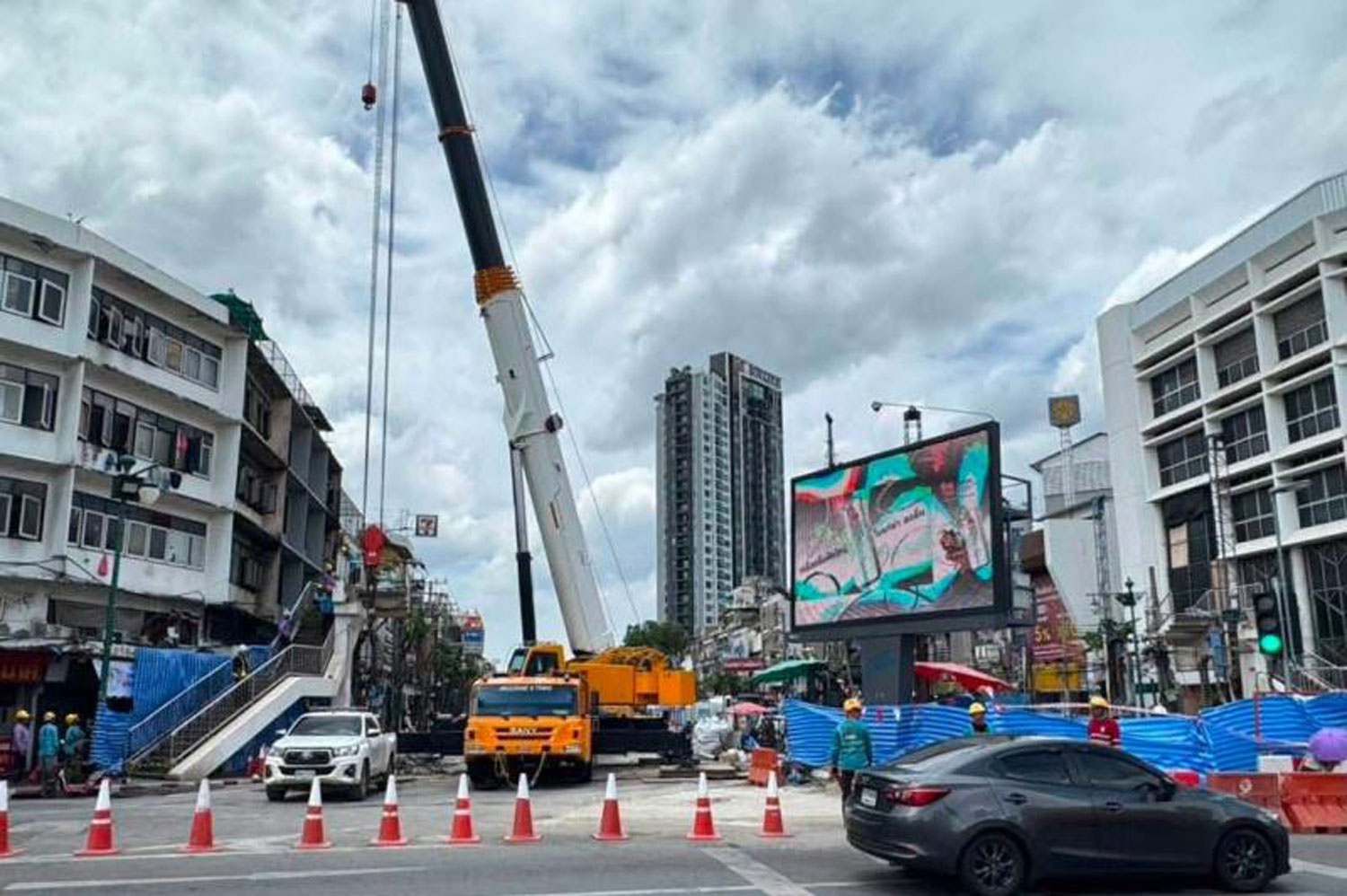
Purple Line Tunnel Suffers Flooding, Subsidence; Residents Evacuated, Road Closed
Infrastructure
2026年7月11日
4
Bangkok Post

Purple Line Tunnel Suffers Flooding, Subsidence; Residents Evacuated, Road Closed

AI サマリー

The Bangkok Metropolitan Administration (BMA) is intensifying monitoring and safety measures for residents following water seepage in the under-construction Purple Line extension tunnel and road subsidence on Prajadhipok Road. Some residents have been evacuated and a section of the road remains closed.

Engineers using sensitive equipment to monitor subsidence around the clock PUBLISHED : 11 Jul 2026 at 17:53 WRITER: Online Reporters The Bangkok Metropolitan Administration (BMA) is stepping up efforts to address water seepage inside the under-construction Purple Line extension tunnel and road subsidence on Prajadhipok Road, while expanding safety measures for nearby residents with round-the-clock monitoring. Bangkok Governor Chadchart Sittipunt, accompanied by civil engineering expert Thanes Weerasiri, visited the site in the Wong Wian Yai area of Khlong San district on Saturday to monitor efforts to stabilise the area following reports of water leakage inside the tunnel and settlement of the road surface. The seepage was first reported on Wednesday night after heavy rain affected the tunnel under construction for the Southern Purple Line MRT project (Tao Poon-Rat Burana section) near the Wong Wian Yai station. City Hall evacuated people from nearby buildings and closed the road near the site. Mr Chadchart, who began his second term as governor this week, ordered the removal of the pedestrian bridge across the construction site after subsidence was detected at its midpoint. The move will also facilitate the installation of four grouting machines to inject cement-based materials into the ground to strengthen soil conditions. Workers have begun drilling to a depth of 37 metres, below the tunnel base level of 31 metres, in an effort to reinforce underground soil, prevent further water ingress and stabilise the surrounding area. Mr Thanes said monitoring equipment installed in cooperation with Kasetsart University showed no significant movement in surrounding buildings. Engineers were using tiltmeters to detect structural leaning and inclinometers to measure horizontal and vertical ground movement. Data from the highly sensitive instruments is being transmitted via a wireless network to the BMA control centre, allowing officials to monitor conditions around the clock. Despite rainfall overnight, groundwater levels remained stable and did not worsen the situation, said the engineering expert. The tunnel incident differed from last year’s sinkhole incident at Vajira Hospital because there was no opening at the surface allowing water to flow downward. The seepage appeared to be originating from below ground, said Mr Thanes. However, minor cracks have been observed on the road surface, prompting authorities to continue close monitoring and maintain heightened caution. Mr Chadchart reported that the water seepage had affected 141 residents of two apartment buildings nearby, with some of them reported to have left the area. Fifty-two residents reported being temporarily evacuated, while 34 remained in place. The governor said the BMA had set up a complaint centre in the area to assist residents and explain the close monitoring measures in effect in the area. Prajadhipok Road remains closed from the King Taksin the Great Monument to the Yaek Baan Kaek intersection. Drivers are advised to use Issaraphap, Lat Ya and Somdet Chao Phraya roads instead while repairs take place, said Mr Chadchart. The civil works for the Purple Line extension have been split into six different contracts, with the MRTA awarding them to five major Thai construction companies. A joint venture between Italian-Thai Development Plc and Nawarat Patanakarn Plc is responsible for the 3.1-kilometre underground section that passes beneath the Chao Phraya River.

多角的分析

経済的影響

インフラ建設プロジェクトにおける予期せぬ問題は、工期遅延や追加コストの発生を通じて経済に影響を与えうる。特に、バンコクのような大都市での公共交通網の拡張は、経済活動の活性化に不可欠であり、今回の事案はプロジェクト全体の遅延リスクを高める。建設請負業者への賠償問題や、代替交通手段の確保に伴うコストも考慮する必要がある。これは、タイ経済の回復と成長を支えるインフラ投資の実行可能性に対する懸念材料となりうる。

投資家心理

インフラプロジェクトにおける予期せぬ問題は、投資家にとってリスク要因となる。特に、公共交通機関の建設は長期的な投資であり、工期遅延や追加コストは、プロジェクトの収益性に直接影響する。今回のパープルライン延伸トンネルの漏水・沈下問題は、プロジェクトの進捗に対する不確実性を高め、関連企業の株価やMRTA(高架鉄道運営公社)の信用格付けに影響を与える可能性がある。投資家は、プロジェクトの進捗状況や、BMA(バンコク都庁)による対応策の効果を注視する必要がある。

社会的影響

プラジャディポック通り周辺の住民は、自宅近くでの建設作業による騒音、振動、そして今回の漏水・沈下による生活への影響に直面している。一部住民の避難や道路閉鎖は、日常生活の混乱を招く。特に、交通網の寸断は通勤・通学に影響を与え、地域経済にも打撃を与えうる。住民は、建物の安全に対する不安や、補償問題、そして生活再建への懸念を抱えている。都庁による迅速かつ透明性のある情報提供と、住民への十分な支援が求められている。

市民の声

プラジャディポック通り沿いの住民は、自宅の安全と生活の継続性に対する直接的な懸念に直面している。路面沈下やトンネルからの漏水は、建物の構造的安全性への不安を引き起こし、一部住民は避難を余儀なくされている。また、道路の閉鎖は、日常の移動手段を制限し、地域経済活動にも影響を与えている。住民は、当局からの正確な情報、安全確保策、そして将来的な補償や生活再建支援について、明確な説明を求めている。

背景・歴史的文脈

バンコクの交通網拡充は、長年にわたり都市の成長を支える重要課題である。パープルライン延伸プロジェクトは、ラートブラーナー方面へのアクセス改善を目指し、都市部の混雑緩和と経済活性化を目的としている。しかし、地下鉄建設は地盤の安定性や既存構造物への影響など、多くの技術的課題を伴う。過去にも、バンコクでは地下工事に関連する沈下や陥没事故が発生しており、今回の事案は、建設技術の進歩と、都市部での大規模地下工事の固有のリスクとの間で、常に緊張関係が存在することを示唆している。特に、チャオプラヤー川下を通過する区間は、地質条件が複雑であり、高度な技術と厳格な管理が求められる。

原文ソース

Bangkok Post

原文を読む