Myanmar Junta Forces Displaced Karenni Civilians to Return to Unsafe Conflict Zones
Society
2026年7月17日
2
BNI (Burma News International)

Myanmar Junta Forces Displaced Karenni Civilians to Return to Unsafe Conflict Zones

AI サマリー

The military junta is actively pressuring thousands of internally displaced persons (IDPs) from Karenni (Kayah) State who are currently sheltering in southern Shan State to return home, threatening to permanently confisc

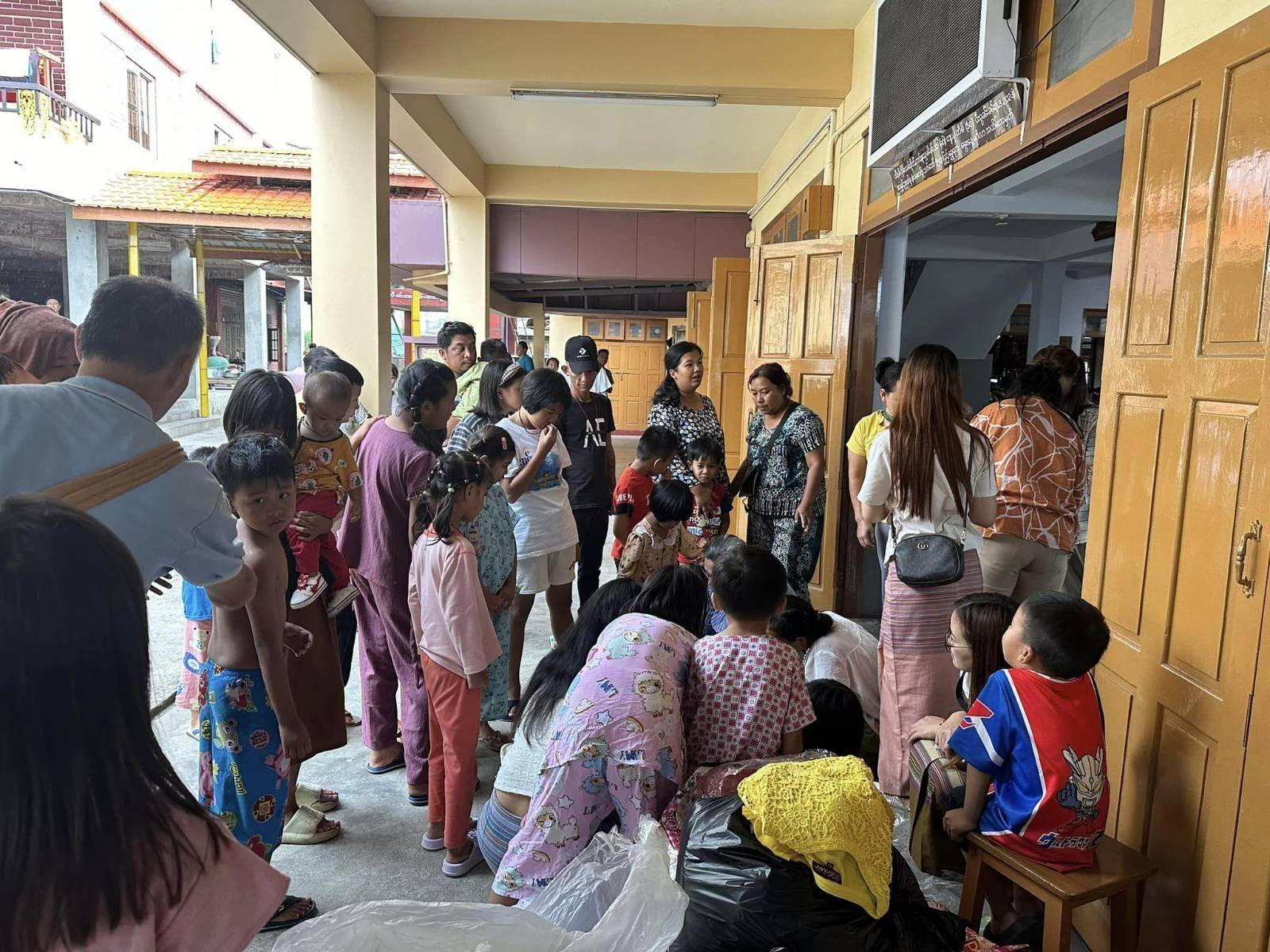
The military junta is actively pressuring thousands of internally displaced persons (IDPs) from Karenni (Kayah) State who are currently sheltering in southern Shan State to return home, threatening to permanently confiscate their land and property if they refuse, local sources report. Thousands of civilians fled Karenni State after intense fighting erupted between the military regime and the Karenni Nationalities Defence Force (KNDF) in November 2023. A significant portion of the displaced population originated from Demoso Township in Karenni State, as well as the volatile border areas of Mobye (Mongpai) and Pekon in southern Shan State. They are currently seeking refuge in Taunggyi Township. IDPs report that the junta has intensified its coercion tactics, warning families that prolonged displacement will result in their properties being designated as military-owned land. Fearing the permanent loss of their assets, some families have reluctantly begun returning despite ongoing security risks and the total lack of safety guarantees. “The junta is forcing us back, but they cannot guarantee our safety,” a young displaced woman told Shan Herald. “Most of our homes have already been reduced to rubble. Even upon arrival, returning residents are being instructed to camp out in local monasteries and schools rather than their own properties. People are only moving back out of fear of losing their land. The conditions there are entirely unlivable.” She added that the pervasive threat of landmines remains a primary deterrent to voluntary returns. Despite acute civilian anxieties regarding contamination, the junta has not initiated any mine-clearance operations to secure the residential zones. For those choosing to remain in Taunggyi, survival has become an uphill battle due to rampant economic exploitation and soaring inflation. “We are restricted to informal, casual jobs and are routinely paid half the wage of a local worker,” a 50-year-old displaced man explained. “If a local laborer earns 20,000 MMK a day, we are offered only 10,000 MMK for the same workload. We have been displaced for nearly three years; of course we want to go home, but it is simply not viable. Meanwhile, basic monthly rent here has skyrocketed to 500,000 MMK. Making ends meet is nearly impossible.” Human rights observers and residents believe the junta's aggressive repatriation drive serves a dual purpose: utilizing civilians as human shields against resistance counter-offensives, and projecting a manufactured image of peace and stability to the international community. This strategy mirrors previous campaigns. Throughout 2024, the military regime deployed similar high-pressure tactics to force IDPs back into Loikaw, the capital of Karenni State, and Bawlakhe Township, successfully compelling hundreds of families to resettle despite persistent security threats and active conflict nearby.

多角的分析

経済的影響

直接の経済ニュースではありませんが、治安と司法の信頼は地域経済の土台です。職場での暴力や未成年者保護への不安が強まると、夜間営業、観光、雇用、地域サービス業のリスク認識が高まります。

投資家心理

投資家目線では、個別事件よりも法執行の予見可能性が焦点です。加害者への対応が曖昧になれば、ローカルビジネスの統治リスクや従業員保護の弱さとして評価されやすくなります。

社会的影響

カレンニー州の現場では、避難を「個人間の事件」で片づけず、誰が守り、誰が説明するのかを可視化する圧力が強まります。軍の動きは、被害者側が孤立しやすい環境で、沈黙より手続きを選ぶための足場になります。

市民の声

市民にとっては、自分や家族が被害に遭った時に公正な手続きへアクセスできるのかが最大の関心です。地域団体が声を上げることで、事件の風化を防ぎ、被害者側の孤立を和らげる意味があります。

背景・歴史的文脈

このニュースは、ミャンマーの地域社会で法の支配と弱者保護がどこまで機能しているかを映す事案です。暴力事件そのものに加え、女性団体や市民社会が司法手続きを求めて声を上げている点が重要です。軍政下では警察・司法への信頼が揺らぎやすく、個別事件が地域の不安や統治への不信に直結します。

原文ソース

BNI (Burma News International)

原文を読む