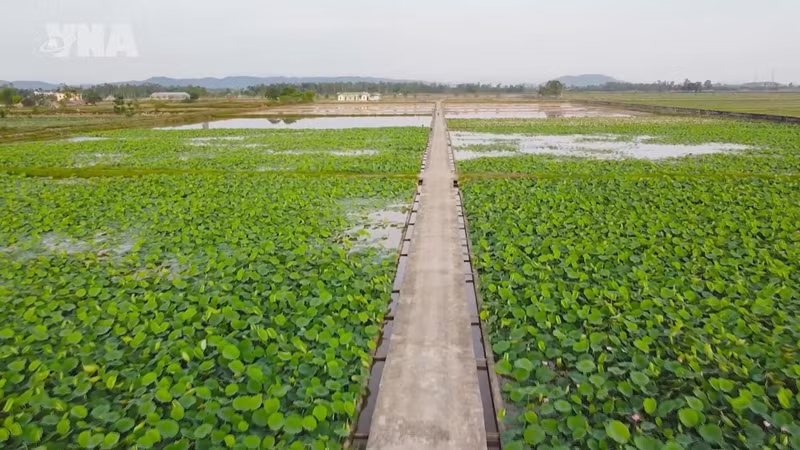
Lotus cultivation breathes new life into tourism in President Ho Chi Minh's hometown
In Kim Lien commune, Nghe An province, the hometown of President Ho Chi Minh, lotus cultivation is breathing new life into the local economy and tourism. By combining high-value lotus products with immersive tourism experiences, the initiative is creating new economic opportunities for residents and enriching the visitor experience.
In Kim Lien commune, Nghe An province, the hometown of President Ho Chi Minh, lotus cultivation is breathing new life into the local economy and tourism. The locality is combining the cultivation of lotus with the development of high-value products and immersive tourism experiences. This initiative is creating new economic opportunities for local residents and offering visitors a chance to experience the unique cultural heritage. The lotus is becoming a core element for regional development, extending beyond its role as a cultural symbol. This effort is an attempt to merge Vietnam's traditional culture with modern tourism strategies, and it is drawing attention as a model for sustainable local development. The development in Kim Lien, President Ho Chi Minh's hometown, is particularly likely to resonate deeply, connecting with patriotism and national identity. In Hanoi, the "Hanoi Lotus Festival 2026" attracted 300,000 spectators, demonstrating the growing interest in lotus culture. Such events highlight the potential of lotus-themed tourism resources and are expected to contribute to attracting both domestic and international tourists. Under Vietnam's one-party system, the revitalization of rural areas and the protection of cultural heritage are often promoted as part of national development strategies. The case of Kim Lien commune aligns with the development goals that the Vietnamese government aims to achieve, such as utilizing local resources and improving residents' livelihoods. Furthermore, amidst complex relations with China, Vietnam is emphasizing its unique culture and history, strengthening its national identity. The promotion of lotus culture can also be situated within this context. Source: VietnamPlus English
多角的分析
蓮栽培と観光の連携は、ゲアン省キムリエン村における地方経済活性化の新たなモデルを示唆している。高付加価値製品(蓮茶、蓮の実加工品など)の開発と、文化体験型観光(蓮畑でのアクティビティ、伝統工芸体験など)の組み合わせは、農村部における新たな収益源となり得る。これは、ベトナム政府が推進する「観光による経済発展」政策と一致しており、特に地方部での雇用創出と所得向上に寄与する可能性がある。過去の事例では、同様の農産物と観光を結びつけた地域振興策が、地域経済の多角化に成功した例がある。
このニュースは、ベトナムの地方部におけるインバウンドおよび国内観光の成長ポテンシャルを示唆している。蓮文化というユニークな地域資源は、ニッチな観光市場を開拓する可能性を秘めている。投資家は、この地域における観光インフラ(宿泊施設、交通網)の整備状況や、蓮関連製品のサプライチェーンの安定性を評価する必要がある。また、政府の支援策や地域コミュニティとの連携が、事業の持続可能性に影響を与える要因となるだろう。
キムリエン村における蓮栽培と観光の推進は、地域住民の生活向上と文化遺産の継承に貢献する。住民は、農業収入の増加に加え、観光客向けのサービス提供(ガイド、土産物販売、民宿運営など)を通じて新たな収入源を得られる。また、故ホーチミン主席の故郷という象徴的な場所での文化振興は、地域住民のアイデンティティや誇りを高める効果も期待できる。一方で、観光客増加に伴う環境への影響や、地域社会との摩擦が生じないような配慮も重要となる。
ホーチミン主席の故郷という歴史的背景を持つゲアン省キムリエン村で、蓮栽培が地域経済と観光の新たな柱となりつつある。高付加価値の蓮製品開発と、体験型観光の組み合わせは、地元住民に新たな収入機会をもたらす。2026年のハノイ・ロータス・フェスティバルが30万人もの観客を集めたことは、蓮文化への関心の高まりを示している。この取り組みは、ベトナムの伝統文化を活かした地方振興の成功例となる可能性を秘めている。
背景・歴史的文脈
ゲアン省キムリエン村は、ベトナム建国の父、ホーチミン主席の生誕地として、ベトナム国民にとって特別な場所である。この地域での蓮栽培と観光振興は、単なる経済開発に留まらず、愛国心や国民的アイデンティティを育む国家的なプロジェクトとしての側面も持つ。ベトナム政府は、地方の経済格差是正と文化遺産の保護・活用を国家発展戦略の重要課題と位置づけており、キムリエン村の事例は、こうした方針を具体化する試みの一つと言える。特に、中国との関係が変化する中で、ベトナムは自国のユニークな文化や歴史を前面に出し、国際社会における独自の地位を確立しようとしている。
原文ソース
VietnamPlus English