DR Congo: Ebola Spreads to Fourth Province, WHO Reports
Health
2026年6月30日
5
Koh Santepheap Khmer

DR Congo: Ebola Spreads to Fourth Province, WHO Reports

AI サマリー

The Ebola outbreak in the Democratic Republic of Congo has now spread to a fourth province, the World Health Organization (WHO) reported. The country has recorded 1,274 cases and 360 deaths. This new strain of the virus is not covered by existing vaccines or treatments, prompting international concern.

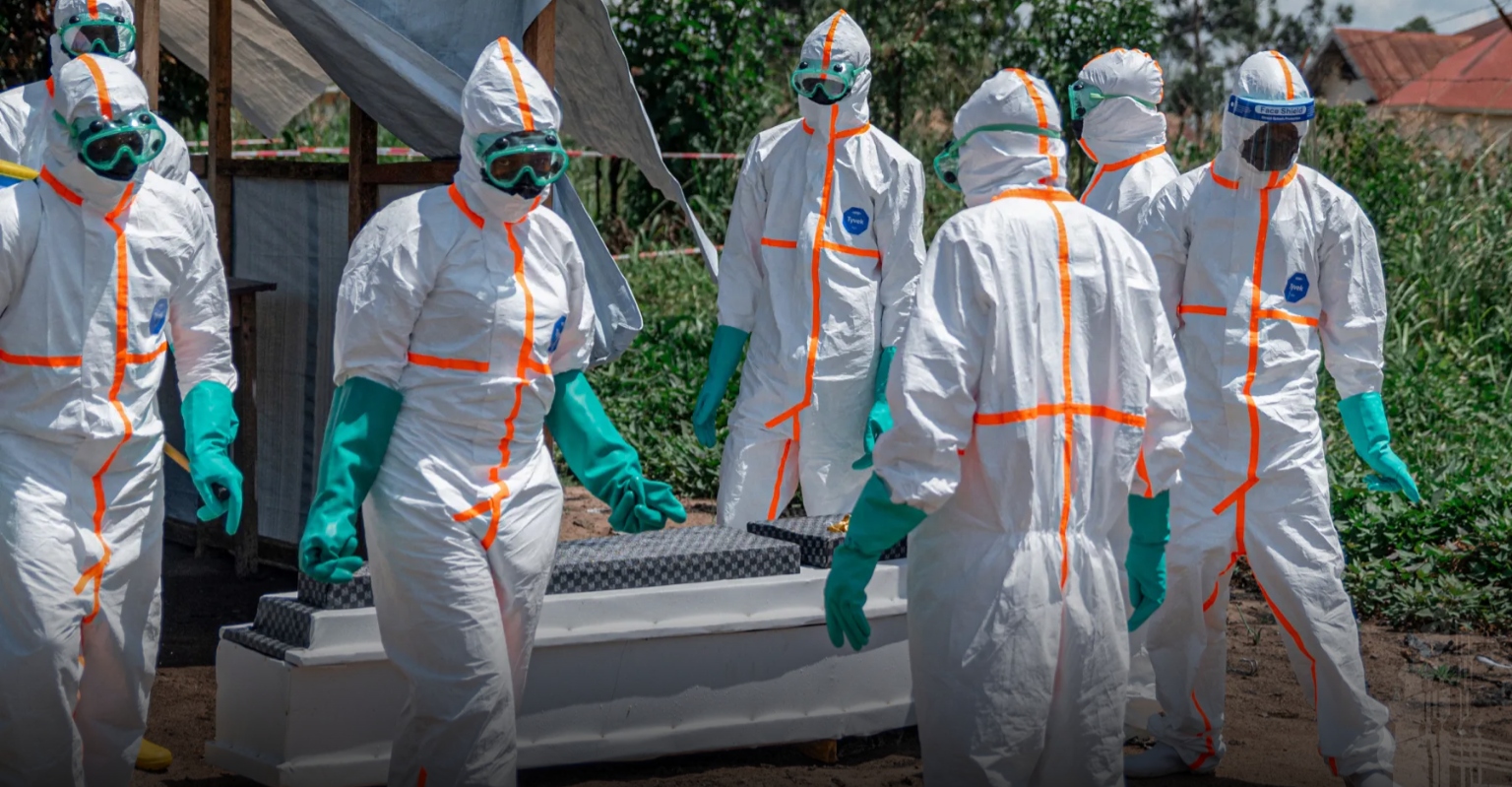
The Ebola outbreak in the Democratic Republic of Congo has spread to a fourth province, the World Health Organization (WHO) reported. The country has recorded 1,274 cases and 360 deaths. This expansion means that a large part of the country's northeast, with a population of 15 million, is now under threat from Ebola. The DRC officially declared the outbreak on May 15. The new strain of the virus is derived from the Bundibugyo virus, and currently, no effective vaccine or treatment is available. The WHO has urged the international community to remain vigilant against this new pathogen. Ituri province is the most severely affected, with 1,165 cases and 301 deaths reported so far. Scientists and aid workers suggest that the actual numbers of infections and fatalities may be higher than officially reported. In addition to North Kivu and South Kivu provinces, infections have now been confirmed in Haut-Uele province, which borders South Sudan and the Central African Republic. The case in Haut-Uele was identified in an individual who traveled from Bunia in Ituri province. The infected person has reportedly died, and authorities are urgently tracing the transmission route and identifying contacts. For weeks, aid organizations have been working to secure safe and appropriate burial sites to prevent further spread from the deceased. In the DRC, as in many African countries, funerals can last for several days, with many opportunities for mourners to come into contact with the body. Health facilities report facing confrontations with families demanding the return of bodies for home-based funerals.

多角的分析

経済的影響

エボラ出血熱のアウトブレイクは、感染拡大地域における経済活動に深刻な影響を与えます。特に、移動制限や人々の外出自粛は、商業、農業、サービス業の停滞を招きます。また、医療体制の逼迫は、他の疾病に対する医療サービスの低下を招き、長期的な健康格差を生む可能性があります。国際社会からの支援も必要ですが、その効果は現地のインフラや治安状況に左右されます。

投資家心理

感染症のアウトブレイクは、投資家にとって直接的なリスクとなります。特に、保健衛生分野や、移動・物流に依存する産業への投資は慎重になるでしょう。長期的な視点では、感染症対策や公衆衛生インフラへの投資機会も生まれる可能性がありますが、現時点ではリスク回避の動きが優勢と考えられます。

社会的影響

エボラ出血熱の拡大は、地域社会に深い不安と混乱をもたらします。感染への恐怖から、人々は移動を控え、社会的な交流が制限されます。また、伝統的な葬儀の慣習が感染拡大のリスクを高めるという事実は、文化的な摩擦を生む可能性があります。遺族への支援と、安全な葬儀方法の啓発が、社会的な安定のために不可欠です。

市民の声

感染症の拡大は、市民の日常生活に直接的な影響を与えます。移動の自由が制限され、社会活動が停滞することで、経済的な困窮を招く可能性があります。また、感染への恐怖から、人々は精神的なストレスを抱えることになります。医療へのアクセスや、正確な情報へのアクセスが、市民の安心につながります。

背景・歴史的文脈

コンゴ民主共和国では、過去にもエボラ出血熱のアウトブレイクが発生しており、2014年から2016年にかけて西アフリカで大流行したエボラ熱(ザイール株)とは異なる、ブンドゥイバク(Bundibugyo)ウイルスが原因である今回の事案は、新たな脅威として認識されています。同国は広大な国土と脆弱なインフラ、そして頻繁に発生する紛争により、感染症対策が常に課題となっています。特に、国境を接する地域での感染拡大は、周辺国への波及リスクも高めます。

原文ソース

Koh Santepheap Khmer

原文を読む