Long Drought, Forest Fires Threaten Water Crisis in Java
Technology
2026年8月5日
5
Mongabay Indonesia

General articles are free for 24 hours after publish.

Long Drought, Forest Fires Threaten Water Crisis in Java

Share
AI Summary

Java, Indonesia, is facing a growing water crisis exacerbated by a prolonged drought and widespread forest fires (karhutla). The Bromo Tengger Semeru National Park has been hit by fires, leading to restrictions on tourist access.

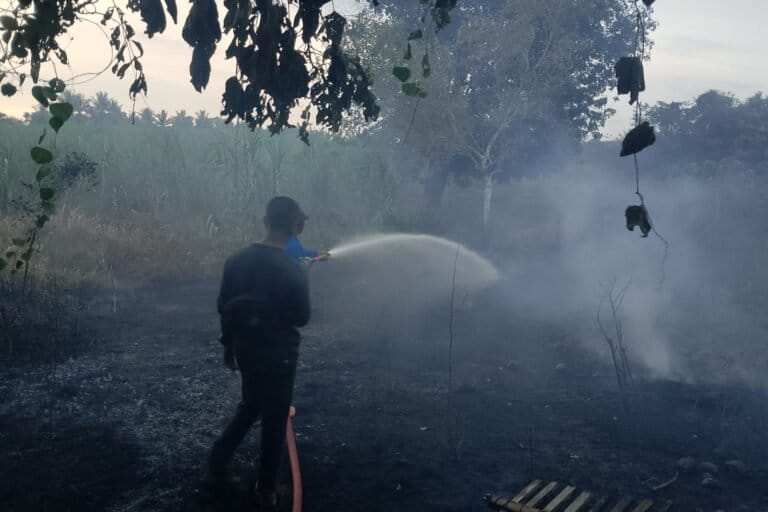
A prolonged drought and widespread forest fires (karhutla) are threatening a water crisis in Java, Indonesia. On Monday (August 3rd), a forest fire broke out in the Bromo Tengger Semeru National Park (TNBTS), specifically in the Blok Bantengan area. The TNBTS authorities have deployed a team to extinguish the flames and have temporarily closed tourist access to Mount Bromo via the Jemplang, Coban Trisula (Malang), and Senduro (Lumajang) entrances to facilitate firefighting efforts. Access through the Cemoro Lawang (Probolinggo) and Wonokitri (Pasuruan) entrances is also restricted, with visitors only allowed up to the Sand Sea area. Entry into the "Savanna Field" is prohibited. The closure began on Monday at 10:00 PM and will remain in effect until further notice. The extent of the burned area is currently unknown as the team remains focused on extinguishing the fire. The park urges visitors and tourism operators to help prevent forest fires in the TNBTS area and to exercise extreme caution with fire for the safety and comfort of all. In addition to TNBTS, fires have also affected the ecosystem of Baluran National Park (TN Baluran) in Situbondo Regency, an area characterized by its dry savanna and teak forest ecosystem. Joko Mulyo Ichtiarso, a spokesperson for TN Baluran, stated that the fires are strongly suspected to be triggered by community activities within the forest. These activities include mushroom foraging, firewood collection, harvesting wild bee nests (kroto) and honey, and gathering gadung tubers. Individuals often burn branches and leaves and then forget to extinguish them, leading to fires spreading rapidly through dry grass and leaves when strong winds occur. For instance, gadung tuber gatherers burn leaves to obtain ash, which they use to remove sap from the tubers. Honey collectors sometimes burn trees to fell them, making honey extraction easier, and the remaining burnt wood can cause further spread. These fires are exacerbating concerns about water scarcity across Java. Beyond national parks, there are worries about the depletion of water sources and declining water quality in wider regions, potentially impacting the lives of residents.

0

Original source

Mongabay Indonesia

原文を読む