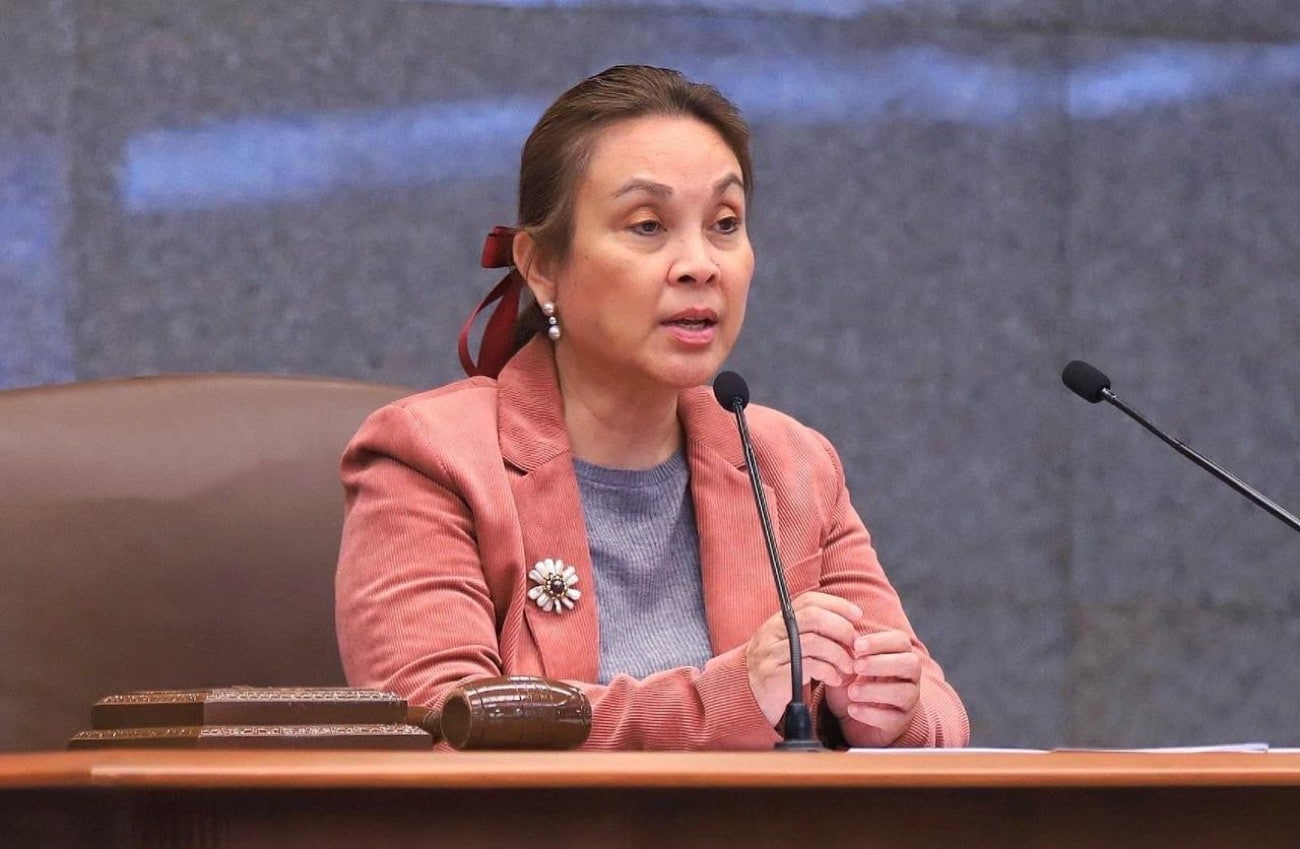
Philippines' Upper Middle-Income Status: Legarda Seeks Tangible Benefits for Citizens
Economy
2026年7月11日
4
Inquirer NewsInfo
Relations
🇵🇭Philippines🇻🇳Vietnam

Philippines' Upper Middle-Income Status: Legarda Seeks Tangible Benefits for Citizens

AI サマリー

Following the Philippines' reclassification as an Upper Middle-Income Country (UMIC) by the World Bank, Senator Loren Legarda has called for an inquiry into whether this economic milestone translates into tangible benefits for citizens. Despite achieving this long-delayed status, systemic issues like poverty, inequality, and corruption persist.

The Philippines has officially been reclassified as an Upper Middle-Income Country (UMIC) by the World Bank, effective July 1, 2026. This elevation follows the country's Gross National Income (GNI) per capita reaching $4,850 in 2025, surpassing the $4,636 threshold. This marks a significant advancement after nearly 39 years of being classified as a lower-middle-income country since 1987. However, Senator Loren Legarda has called for a thorough inquiry into the tangible impact of this economic milestone on the daily lives of Filipinos. Through Senate Resolution No. 505, she emphasized the need to deeply examine how this long-delayed economic achievement can be translated into genuine social progress, ensuring dignity, opportunity, and security for all citizens. Legarda highlighted Vietnam's rapid ascent to UMIC status within just 17 years, contrasting it with the Philippines' prolonged journey. She pointed out the nation's continued heavy reliance on overseas remittances, which constituted 8.7 percent of the GDP in 2024, the highest in ASEAN. This dependence suggests a slower pace of domestic industrial development compared to countries like Vietnam, which have seen robust growth driven by export-led manufacturing and strong foreign direct investment (FDI). Furthermore, systemic challenges continue to impede inclusive growth. The Philippines scored a low 32 out of 100 in the 2025 Corruption Perceptions Index, a factor deterring foreign investment. Poverty incidence stood at approximately 15.5 percent as of 2023, with a 2026 study by the Philippine Institute for Development Studies (PIDS) indicating that 30 percent of households remain highly vulnerable to falling back into poverty due to economic shocks. Underemployment was at 11.9 percent in 2025, reflecting the prevalence of precarious, low-paying jobs. Wealth inequality persists, with the richest 20 percent controlling nearly half of the national income, while the poorest 20 percent subsist on just 5 to 6 percent. The country also ranked among the lowest in East and Southeast Asia in the 2026 Good Life Index, exposing deficiencies in healthcare, safety, and social support. Senator Legarda stressed that this reclassification is not merely the success of one administration but the culmination of decades of sacrifice by Filipino workers, overseas Filipinos, farmers, fisherfolk, entrepreneurs, taxpayers, and public servants. She asserted that the true measure of progress is the comfort felt by every family in their daily lives, not just economic figures. She underscored that UMIC status should not be treated as proof that ordinary Filipinos are already living middle-class lives. Instead, it should mark the beginning of deeper reforms. The challenge for the government, she stated, is to ensure inclusive growth where every Filipino, especially those on the margins, has decent work, adequate healthcare, and a fair share of prosperity. Resolution No. 505 directs the Department of Economic Planning and Development (DEPDev), in coordination with the Department of Finance (DOF) and other agencies, to submit a comprehensive report on the implications of UMIC status. This report is to cover policy measures for sustaining the classification, strategies to ensure benefits reach all sectors, the expected impact on concessional financing, official development assistance, grants, and loan terms, effects on sovereign borrowing, credit perception, fiscal space, and public investment planning, as well as risks and trade-offs from reduced eligibility for concessional financing. It also mandates a review of laws and programs and the development of a medium- and long-term game plan to convert the milestone into inclusive growth, poverty reduction, decent employment, stronger domestic productivity, and improved public services. Information Source: Inquirer NewsInfo

多角的分析

経済的影響

フィリピンのUMIC昇格は、国民一人当たりのGNI増加という表面的な指標達成を示すものである。しかし、経済成長の持続可能性は、海外送金への過度な依存から脱却し、輸出主導型産業やFDIを育成できるかどうかにかかっている。ベトナムのような製造業の発展が鍵となるが、フィリピンは腐敗認識指数の低さなどが障壁となっている。この構造的脆弱性は、経済ショックに対する脆弱性を高め、貧困削減の進展を鈍化させる可能性がある。

投資家心理

UMICへの昇格は、フィリピンの経済的地位向上を示すポジティブなシグナルとなり得る。しかし、投資家は、表面的な指標だけでなく、実質的な経済構造の改善、特に腐敗対策、インフラ整備、教育・技術への投資の進展を注視するだろう。海外送金への依存度が高い現状は、国内産業の競争力強化が遅れていることを示唆しており、これが是正されなければ、長期的な投資魅力の向上には限界がある。

社会的影響

UMIC昇格の恩恵が国民全体に行き渡っているかどうかが最大の焦点である。レガルド議員の指摘通り、貧困率15.5%、30%の世帯が貧困リスクに直面、11.9%の不完全雇用、そして深刻な所得格差は、経済成長が一部のエリート層に集中し、大多数の国民の生活水準向上に繋がっていない現実を示している。医療、安全、社会保障の不足も、国民の生活の質を低下させる要因となっている。

市民の声

UMIC昇格というニュースは、多くのフィリピン人にとって、自分たちの生活が直接的に良くなったという実感には繋がりにくいだろう。むしろ、長年苦しんできた貧困や低賃金、不安定な雇用、そして社会サービスの不足といった問題が、経済的な「昇格」によって放置されるのではないかという懸念が生まれる。特に、地方や低所得層の人々は、経済成長の恩恵を実感できる具体的な政策が求められていると感じているはずだ。

背景・歴史的文脈

フィリピンは、1987年以降、長らく下位中間所得国(LMI)に留まっていた。世界銀行は、国民一人当たりの国民総所得(GNI)を基準に、国の所得水準を4段階(低所得、下位中間所得、上位中間所得、高所得)に分類している。UMICへの昇格は、経済発展における重要な節目とされるが、その基準はあくまで経済指標であり、国民一人ひとりの生活水準や幸福度を直接反映するものではない。ベトナムが短期間でUMICに達した背景には、2000年代以降の積極的な外資導入と製造業の発展がある一方、フィリピンは、政治的不安定さ、インフラの遅れ、そして構造的な腐敗が経済成長の足かせとなってきた歴史がある。

原文ソース

Inquirer NewsInfo

原文を読む