一般記事は公開から24時間、無料で閲覧できます。
SNS、上院包囲網説を拡散か ICC令状巡り
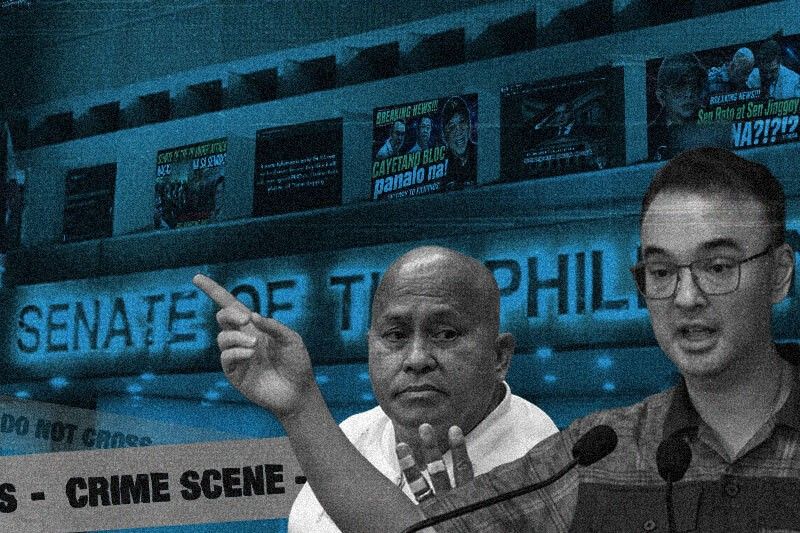
フィリピンのSNS、特に親ドゥテルテ派のFacebookページやYouTubeチャンネルが、国際刑事裁判所(ICC)の逮捕状を巡る上院の動きを「包囲網」や「憲法危機」といった文脈で再構築し、世論を誘導していたことが明らかになった。実際の出来事を歪曲・誇張し、政治的迫害の物語を作り出していた。
フィリピンのSNS、特にロドリゴ・ドゥテルテ元大統領とその支持者に好意的なFacebookページやYouTubeチャンネルが、上院の出来事や法的な展開を「包囲網」や「憲法危機」といった物語に仕立て上げ、国際刑事裁判所(ICC)の逮捕状が絡む状況で、上院議員バト・デラ・ロサ氏らを擁護していたことが、Philstar.comの調査で明らかになった。これらのチャンネルは、5月11日から29日の間に公開されたコンテンツにおいて、捏造ではなく、実際の出来事や法的な進展を、政治的迫害の主張を支持する形で再解釈していた。
調査対象となった14件のFacebook投稿と12件のYouTube動画は、しばしば同様のパターンをたどっていた。まず、実際のニュースイベントや公務員の声明(上院議員の発言、ICC逮捕状に関する進展、上院のセキュリティインシデント、デラ・ロサ氏の弁護団の声明など)を利用する。次に、これらの出来事の解釈を変更し、管轄権や逮捕手続きに関する法的な紛争を、フィリピンの主権への攻撃として再構築する。上院での安全対策は、制度自体が脅威にさらされている証拠として提示され、立法府の独立性に関する声明は、上院がドゥテルテ氏の支持者を政治的迫害から守る最後の砦であるという主張へと拡大された。最終段階として、これらのメッセージは複数のページやチャンネルで、しばしば主要な出来事の数時間または数日以内に繰り返し投稿され、定着が図られた。
多くの動画や投稿は、独自の取材ではなく、主要メディアの報道、政治演説、記者会見のクリップに、特定の政治的解釈を押し付けるコメントを加えていた。例えば、「フィリピン当局は、国内裁判所が令状を発行しない限り、デラ・ロサ氏を逮捕できない」という主張は、当時のアラン・ピーター・カエタノ上院議長の声明から生まれ、複数の親ドゥテルテ派ページで繰り返された。これらは、最高裁判所がICCとの協力を停止するよう求めるデラ・ロサ氏の仮保釈申請を却下した9日後の5月29日に投稿されている。
さらに、上院複合施設周辺で発生した5月13日の銃撃事件後、一部のドゥテルテ支持者は、上院自体が脅威にさらされていると主張した。カエタノ上院議長はFacebookライブで上院を「攻撃下にある」と述べ、この主張はオンラインクリエイターによって拡散された。YouTubeチャンネル「Bisdak Pilipinas」は、海兵隊の展開や防弾チョッキを着用した警備員、上院内での捜索といった戦術的な詳細に焦点を当て、事件を単なる安全対策ではなく、対立として提示した。
これらのSNS上の動きは、フィリピン国内の政治的言説に大きな影響を与え、国民の認識を形成する上で、情報操作の潜在的な力学を示唆している。
情報源: Philstar Nation
多角的分析
This news primarily concerns political narratives and their spread via social media, with minimal direct economic impact. However, the underlying political instability and the potential for prolonged legal battles involving figures like Senator dela Rosa can indirectly affect investor confidence. Uncertainty surrounding the rule of law and the independence of institutions, even if framed through social media narratives, can deter foreign investment and impact the business climate. The economic implications are thus secondary, stemming from the political discourse's influence on stability and governance perception.
Investors are likely to view the proliferation of 'siege narratives' and the politicization of legal processes with caution. While the events described are primarily political and social, they signal a potential for heightened political risk. For investors, this translates to increased uncertainty regarding the stability of the legal framework and the predictability of governance. Such narratives, if widely believed, can erode confidence in the Philippines' institutional strength and its commitment to due process, potentially leading to a more risk-averse approach to investment in the country.
The core of this news lies in how social media platforms are utilized to shape public perception and create 'siege narratives' around real events. For example, the portrayal of the Senate complex as being 'under attack' by channels like Bisdak Pilipinas, with its use of 'battlefield language' and focus on tactical details, transforms a security response into a confrontation. Similarly, the claim that the ICC warrant implies an 'attempted abduction' of Senator dela Rosa by channels like Banat By, frames a legal process as a personal attack. These narratives directly impact citizens by potentially polarizing public opinion, fostering distrust in institutions, and creating an environment where factual reporting is overshadowed by hyperpartisan interpretations, affecting how ordinary citizens engage with political and legal developments.
The 'siege narrative' and 'constitutional crisis' framing by pro-Duterte social media channels directly affects citizens by influencing their understanding of critical legal and political events. For instance, the emphasis on 'sovereignty' and 'local courts' in relation to the ICC warrant, repeated across numerous posts and videos, can lead citizens to believe that foreign legal processes are inherently illegitimate or that their national sovereignty is being directly challenged, regardless of the legal merits. This can foster a sense of nationalistic defensiveness and distrust towards international bodies, potentially impacting their willingness to engage with or accept rulings from entities like the ICC. The focus on security incidents at the Senate, described with 'battlefield language,' can also heighten anxiety and a sense of instability among the public, even if the actual threat level was contained.
AI Expert Roundtable
AI 専門家による深層討論会
※ この議論は記事内容に基づき AI エージェントによって自動生成されたシミュレーションです
背景・歴史的文脈
The current political climate in the Philippines is marked by the lingering influence of former President Rodrigo Duterte and his allies. The International Criminal Court's (ICC) investigation into alleged crimes against humanity during Duterte's 'war on drugs' has been a focal point of contention, with the former president and his supporters viewing it as foreign interference and an attack on national sovereignty. Senator Bato dela Rosa, a key figure in the drug war and a Duterte loyalist, has been a central figure in this legal drama. The events described in the article—the ICC arrest warrant, the Supreme Court's involvement, and security measures at the Senate—are all part of this ongoing struggle between the Duterte camp and international legal oversight, amplified and recontextualized by social media.
原文ソース
Philstar Nation