Vietnam Focuses on Medical Tourism and Educational Integrity
Health
2026年7月9日
5
Nhan Dan

Vietnam Focuses on Medical Tourism and Educational Integrity

AI サマリー

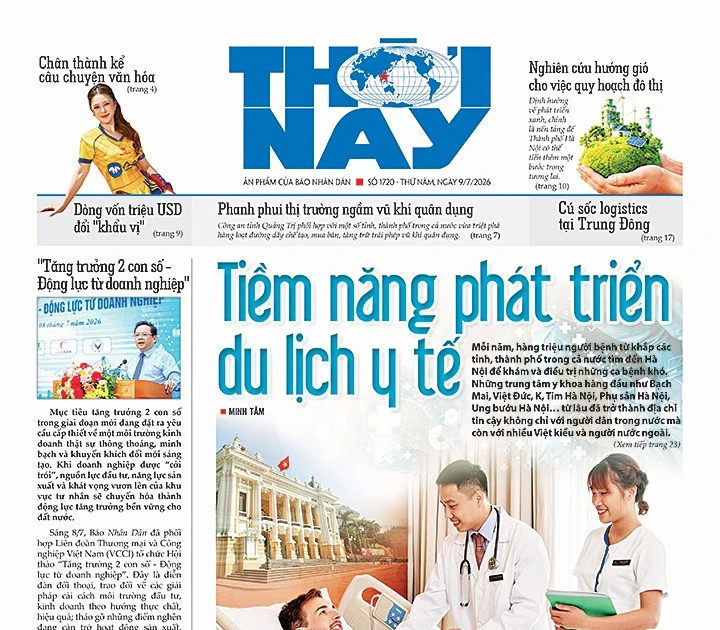
Vietnam aims to tap into its medical tourism potential and restore trust in its education system by reforming exam irregularities. The country also seeks to achieve double-digit growth by fostering the private sector.

The latest issue of Vietnam's weekly magazine 'Thoi Nay' sheds light on several critical challenges facing the country. Notably, the development of medical tourism and the restoration of trust in the education system are highlighted as key themes. Annually, millions of patients from across the country seek diagnosis and treatment for complex illnesses in the capital, Hanoi. In an era of international medical integration, Hanoi is identified as having significant potential for medical tourism, suggesting Vietnam could establish itself not just as a tourist destination but also as a hub for advanced medical services. Concurrently, the exposure of exam fraud in recent high school graduation unified exams has shaken public trust in the education system. The article emphasizes the importance of protecting not only scores but also the fundamental values of fairness and honesty in education, which are the bedrock for nurturing quality human resources and sustainable development. Economically, achieving the target of double-digit growth in the new phase necessitates urgent improvements in the business environment, including greater openness, transparency, and encouragement of innovation. The revitalization of the private sector is expected to be the engine that transforms investment, production capacity, and the aspiration for growth into the nation's sustainable growth momentum. Additionally, the magazine reports on the reality of illegal trading of military weapons on social media, the severe impact of the Middle East conflict on logistics, and the expansion of cooperation between France and Syria. Source: Nhan Dan

多角的分析

経済的影響

ベトナム経済は、輸出主導型成長から内需拡大とサービス産業の高度化へとシフトしつつあります。医療ツーリズムの推進は、外貨獲得と雇用創チーの新たな源泉となり得ます。しかし、そのためには医療インフラの整備、医療従事者のスキル向上、そして国際基準に適合したサービス提供体制の構築が不可欠です。また、2桁成長目標達成のためには、民間企業の「cởi trói(束縛からの解放)」が鍵となります。これは、許認可プロセス、税制、土地利用など、ビジネスを取り巻く規制緩和を具体的に進めることを意味します。過去、ベトナムでは外資主導の成長が中心でしたが、今後は国内民間セクターの潜在力を最大限に引き出すことが、持続的な成長軌道に乗るための最重要課題となるでしょう。

投資家心理

医療ツーリズム分野への投資は、今後ベトナムで注目される可能性があります。特に、富裕層や周辺国からの患者をターゲットとした高度医療施設や、リハビリテーション・ウェルネス施設への投資が考えられます。ただし、投資家は、ベトナムの医療規制、ライセンス取得プロセス、そして医療従事者の採用・定着に関するリスクを慎重に評価する必要があります。教育分野における信頼回復は、長期的な視点では質の高い人材供給の安定化につながり、間接的に投資環境の改善に寄与すると考えられます。2桁成長目標は、経済全体の活性化とそれに伴う消費拡大を示唆しており、様々なセクターへの投資機会の拡大が期待できます。

社会的影響

教育における不正行為は、若者の将来への希望を蝕むだけでなく、社会全体の公正さへの信頼を損ないます。特に、貧困層や地方出身の学生が、経済的・地理的なハンディキャップを抱えながらも、公平な競争の機会を得られるかが問われています。医療ツーリズムの発展は、都市部への医療資源の集中をさらに加速させる可能性があり、地方住民の医療アクセスへの影響が懸念されます。医療サービスへのアクセス格差を是正しつつ、医療ツーリズムを推進するための政策設計が求められます。また、SNS上での武器取引は、治安への直接的な脅威であり、若年層の犯罪への関与リスクを高める可能性があります。

市民の声

医療ツーリズムの発展は、都市部、特にハノイやホーチミン市に住む人々にとっては、より高度で多様な医療サービスへのアクセス向上を意味する可能性があります。しかし、地方に住む人々にとっては、医療資源が都市部に集中することで、かえって医療へのアクセスが悪化するのではないかという懸念も生じます。試験不正の問題は、真面目に勉強している学生やその保護者にとって、努力が報われない社会ではないかという不安を募らせています。民間企業の活性化による経済成長は、雇用機会の増加や所得向上につながることが期待されますが、その恩恵が社会全体に公平に行き渡るかどうかが注視されています。

背景・歴史的文脈

ベトナムは、1986年のドイモイ政策以降、市場経済化と国際社会への開放を進め、目覚ましい経済成長を遂げてきました。しかし、その過程で、教育システムにおける不正行為や、医療資源の地域間格差といった課題も顕在化しています。特に、教育分野では、大学入試や統一試験における不正が度々報じられ、社会的な信頼回復が急務となっています。医療分野では、都市部への人材・資源の集中が進む一方で、地方の医療インフラは依然として脆弱な地域が多く、国民皆保険制度の普及と質の向上、そして医療ツーリズムの推進という、二律背反する課題への対応が求められています。これらの課題は、ベトナムが持続可能な発展を目指す上で、克服すべき重要な障壁となっています。

原文ソース

Nhan Dan

原文を読む