Vietnam Vows Maximum Effort in Search and Repatriation of Fallen Soldiers' Remains
The Vietnamese government has pledged maximum effort to search for and repatriate the remains of fallen soldiers who died away from home. A ceremony in Ho Chi Minh City announced a plan to collect 3,000 sets of remains by 2026.
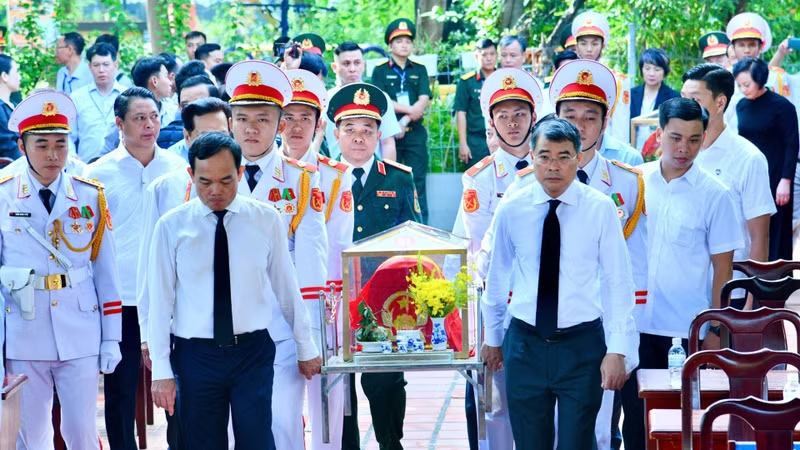
The Vietnamese government has declared its utmost commitment to the search and repatriation of the remains of fallen soldiers, aiming to reunite them with their families and hometowns. On July 6, Prime Minister Le Minh Hung attended a ceremony in Ho Chi Minh City to oversee the implementation of a plan for the search and collection of martyrs' remains at Le Thi Rieng Park. This initiative is jointly organized by the Ho Chi Minh City People's Committee, the 7th Military Region Command, and the Steering Committee for the Search, Collection, and Identification of Martyrs' Remains. The plan sets an ambitious target of collecting 3,000 sets of martyrs' remains by 2026. This endeavor is a national priority to identify and respectfully repatriate the remains of countless soldiers lost during the Vietnam War and previous conflicts. Preparatory plans for the collection of remains at Le Thi Rieng Park have commenced in Ho Chi Minh City. Furthermore, the Ho Chi Minh City 515 Committee has engaged in information exchange regarding the search and collection of martyrs' remains with Texas Tech University, seeking to enhance identification techniques through international cooperation. Past reports, such as the discovery and collection of four sets of martyrs' remains during hospital construction in Quang Tri province, indicate ongoing collection efforts across the country. This undertaking holds significant importance in healing the wounds of war and strengthening national unity. Under Vietnam's one-party system, the state demonstrates its active engagement in addressing such historical and emotional issues as symbols of national cohesion. Amidst continued economic growth, showing respect for past sacrifices is considered an essential element for social stability and boosting national morale.
多角的分析
ベトナム経済は近年目覚ましい成長を遂げているが、その成長の陰には、過去の戦争による社会的な傷跡や、未だに帰還されていない多くの戦没者の存在がある。遺骨収集活動は、国民の感情的な充足感と社会的な安定に寄与し、結果として経済活動の円滑化にも間接的に貢献すると考えられる。特に、この活動への政府の強いコミットメントは、国民の士気を高め、労働生産性の向上に繋がる可能性も秘めている。また、国際協力による技術導入は、将来的な関連産業への波及効果も期待できる。
投資家にとって、ベトナム政府による戦没者遺骨収集への強いコミットメントは、国内の社会安定と国民統合への注力を示すシグナルと捉えられる。社会安定は、外国投資家が最も重視する要素の一つであり、長期的な投資環境の改善に繋がる可能性がある。また、この活動が国家的な優先事項として扱われることは、政府の実行力と計画遂行能力への信頼を高める要因となり得る。これは、ベトナム経済の持続的な成長への期待を裏付けるものと言える。
戦没者遺骨の収集と家族への帰還は、多くのベトナム人にとって深い感情的な意味を持つ。特に、未だに遺骨の所在が不明なままの家族は、長年にわたり深い悲しみと喪失感を抱えている。ホーチミン市での大規模な遺骨収集計画の開始は、こうした家族にとって希望の光となる。また、この活動は、戦争の記憶を共有し、世代を超えた国民の連帯感を醸成する機会ともなる。テキサス工科大学との協力は、科学的アプローチによる遺骨特定への期待を高める。
ベトナム国民、特に戦争で家族を失った人々にとって、戦没者遺骨の帰還は長年の悲願である。ホーチミン市での遺骨収集計画は、多くの家族に希望を与え、戦争の悲劇を改めて認識する機会となる。政府がこの問題に高い優先度を置くことは、国民の政府への信頼感を高める。また、この活動は、若い世代に国の歴史と犠牲になった人々への敬意を教える教育的な側面も持つ。
背景・歴史的文脈
ベトナム戦争(1955年-1975年)をはじめとする過去の紛争では、数百万人の兵士が命を落とした。その多くは、戦場や占領地で埋葬され、遺骨が故郷に帰還できていない。ベトナム政府は、戦争終結後、長年にわたり戦没者の遺骨収集と身元特定に取り組んできた。特に、1980年代以降、この活動は国家的な重要課題として位置づけられ、国民の感情的・精神的な癒やしと社会統合の象徴となっている。近年、技術の進歩や国際協力も取り入れられ、収集・特定能力の向上を目指している。
原文ソース
Nhan Dan