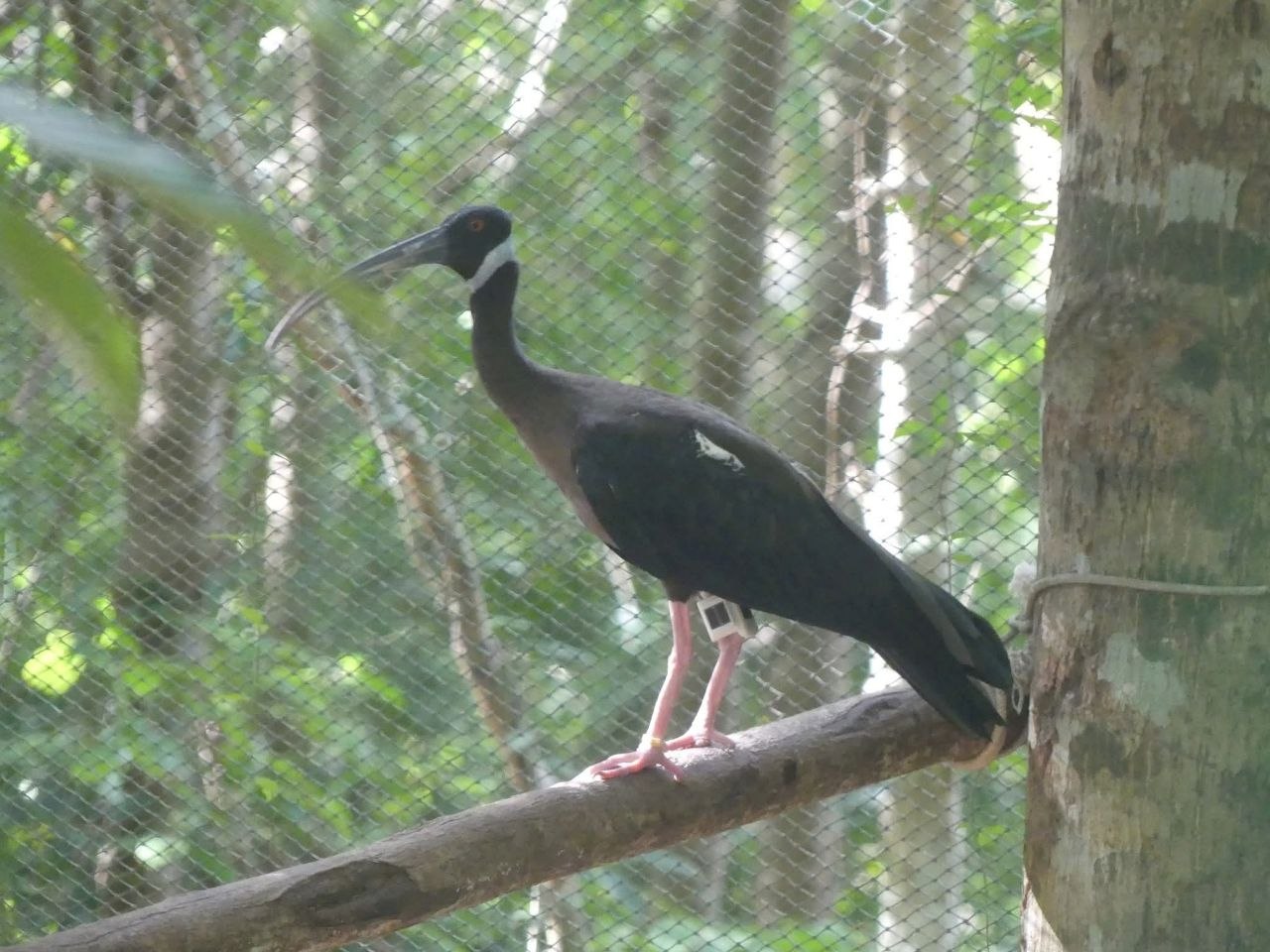
Cambodia Attaches GPS to 4 Critically Endangered Ibis Species for Release into Wild
The ACCB Center in Cambodia has announced plans to release four critically endangered ibis species into the wild within weeks, after fitting them with GPS tracking devices. This marks a world-first for the species and highlights international cooperation in conservation efforts.
The ACCB (Asian Conservation Center for Birds) in Cambodia has announced the attachment of GPS tracking devices to the legs of four critically endangered ibis species that were bred at the center. These birds are scheduled to be released back into their natural habitat within the next few weeks. The GPS devices were fitted in early June, as confirmed by the ACCB Center on the evening of June 29, 2026. The ACCB Center expressed its profound gratitude to Zlin-Lešná Zoo in the Czech Republic for their generous donation of the GPS tracking equipment. The devices traveled from Poland, through the United Kingdom, and arrived in Cambodia in a timely manner. As this is the first instance of using tracking devices on this particular species, the center is currently testing their functionality for at least four weeks in an acclimatization enclosure prior to release. The trials aim to ensure the devices operate as expected without causing any disturbance or difficulty to the birds. So far, all systems are functioning well, and the birds are ready for their imminent release. This event is a significant milestone in the conservation of this critically endangered species, which is found only at the ACCB Center and in its limited geographical range. This initiative symbolizes the first-ever release of ibis species back into their natural habitat on a global scale. The center stated that this is a remarkable achievement made possible through the support and collaboration of all its partners. Source: AKP Khmer
多角的分析
このニュース自体は直接的な経済活動に結びつくものではないが、野生生物の保護活動はエコツーリズムや環境教育といった新たな産業創出の可能性を秘めている。特に、絶滅危惧種の保護成功は、カンボジアの自然保護への取り組みを国際的にアピールし、環境意識の高い観光客を呼び込むインセンティブとなりうる。
投資家にとって、このニュースは直接的な投資機会を示すものではない。しかし、カンボジア政府が野生生物保護に力を入れている姿勢は、同国の環境規制や持続可能性への配慮を示す間接的なシグナルとなりうる。これは、ESG投資(環境・社会・ガバナンス)を重視する投資家にとって、カンボジアの投資環境を評価する上でのポジティブな要素として考慮される可能性がある。
絶滅危惧種のトキ科鳥類4羽にGPSを装着し、自然界へ放鳥する試みは、カンボジアにおける生物多様性保全への意識の高まりを示す。この活動は、地元住民や若者世代に対し、野生生物の重要性や保護活動への参加を促す教育的効果も期待できる。また、国際的な動物園からの支援は、カンボジアが国際社会と連携して環境問題に取り組む姿勢を浮き彫りにする。
GPS装着と再放鳥というニュースは、カンボジア市民にとって、自分たちの国の自然遺産が守られているという誇りにつながる。特に、絶滅の危機にある鳥類が再び自然の中で生きる姿を見ることは、未来世代への希望となる。しかし、放鳥後の鳥類の生息状況や、密猟などの脅威からどのように守られるのか、といった点に対する市民の関心も高まるだろう。
背景・歴史的文脈
カンボジアは、長年の紛争と経済的困難を経て、近年、急速な経済発展を遂げている。その一方で、開発の進展とともに、自然環境への負荷や生物多様性の喪失が懸念されている。特に、トキ科鳥類(Ibis)は、生息地の破壊や密猟により、多くの種が絶滅の危機に瀕しており、国際的な保護活動の対象となっている。ACCBセンターは、こうした状況を受け、絶滅危惧種の繁殖と再放鳥を通じて、野生生物の回復を目指す重要な役割を担っている。今回のGPS装着と再放鳥は、同センターの長年の努力と、チェコ共和国の動物園との国際的な協力関係の成果であり、カンボジアにおける環境保全への取り組みを象徴する出来事である。
原文ソース
AKP Khmer