Cambodia Customs Modernizes and Facilitates Trade Since 2008, Enhances SME Support
The General Department of Customs and Excise of Cambodia has been promoting trade facilitation and modernization since 2008, including the implementation of the ASYCUDA system and the launch of the National Single Window (NSW). It particularly focuses on supporting the import-export activities of Small and Medium Enterprises (SMEs) and has strengthened international cooperation through programs like AEO.
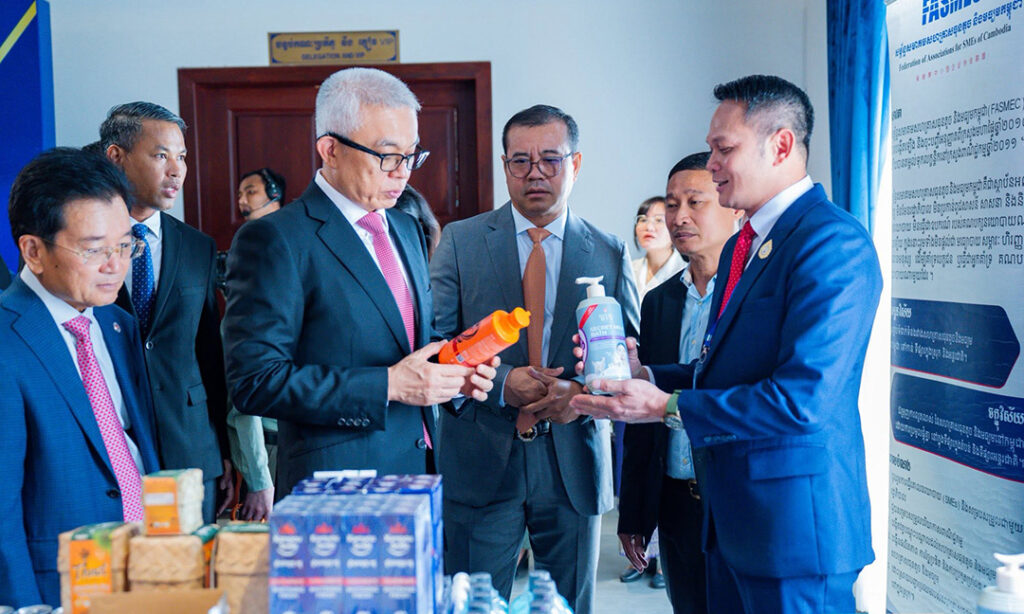
The General Department of Customs and Excise of Cambodia has been actively promoting trade facilitation and the modernization of its customs systems since 2008. At a recent forum held between the customs department and the Federation of Small and Medium Enterprises, officials from the department presented on their efforts in trade facilitation and customs administration modernization. Huong Rothna, Chief of Office at the General Department of Customs and Excise, highlighted three main pillars for trade facilitation: the trade facilitation framework, the modernization of customs administration, and support for the import-export activities of Small and Medium Enterprises (SMEs) in Cambodia. Within the trade facilitation framework, Cambodia has implemented simplification of procedures and risk management in accordance with the principles of the World Trade Organization (WTO) and the World Customs Organization (WCO). Since 2008, the General Department of Customs has transitioned from paper-based procedures to the Automated System for Customs Data (ASYCUDA) and has continued to develop new functionalities. The National Single Window (NSW) was officially launched in May 2024. This system connects relevant ministries and institutions, enabling traders to quickly apply for certificates, licenses, and import-export permits through a single platform. Furthermore, the ASEAN Customs Transit System (ACTS) has been implemented since 2020 to facilitate cargo transport between ASEAN member states. In terms of supporting SMEs, mechanisms such as allowing pre-arrival customs declarations help SMEs prepare their documentation in advance. Short video productions under the RT4D project also share knowledge and experiences on export procedures for SMEs. The "Customs Tariff" mobile application assists traders in checking commodity codes and identifying which ministry's license is required. Tax payments have also been digitized, reducing the risks and time costs associated with carrying cash to customs checkpoints or banks. Moreover, a mechanism has been established through the Government-Private Sector Forum to address any questions or issues raised by SMEs. The Authorized Economic Operator (AEO) program is being implemented from late 2023 to 2026. Currently, 12 companies have achieved AEO status by maintaining high levels of compliance and security within their supply chains. Cambodia is unique in ASEAN for encouraging and promoting SMEs to register as AEOs to receive special preferential treatment from customs. Cambodian AEO companies benefit from mutual recognition with other ASEAN countries, and recently, at the 35th ASEAN Customs Directors-General Meeting, Cambodia also signed a mutual recognition agreement with China Customs. Huong Rothna affirmed that the key challenges for the General Department of Customs in trade facilitation focus on simplification, harmonization, common standards, and transparency. Source: Kampuchea Thmey Local
多角的分析
カンボジア税関の近代化と貿易円滑化の取り組みは、同国の経済発展、特に輸出入の効率化とコスト削減に直接貢献する。ASYCUDAやNSWといったデジタル化・システム統合は、貿易手続きの迅速化と透明性向上をもたらし、国際競争力の強化につながる。SMEsへの支援は、カンボジア経済の裾野を広げ、雇用創ちを促進する上で重要であり、AEOプログラムを通じた国際連携は、サプライチェーンの信頼性を高め、海外からの投資を呼び込む要因となりうる。
カンボジア税関の近代化は、投資家にとって朗報である。手続きの簡素化と迅速化は、物流コストの削減とリードタイムの短縮に直結するため、事業運営の効率化に大きく寄与する。特に、NSWの稼働やAEOプログラムの推進は、サプライチェーンの予測可能性を高め、リスクを低減させる。これは、カンボジアでの事業展開を検討する海外企業にとって、投資判断における重要なプラス要因となるだろう。
税関手続きのデジタル化と簡素化は、中小企業(SMEs)の経営者や従業員にとって、煩雑な事務作業の負担軽減と時間的節約につながる。NSWの導入により、輸出入に必要な許可証の取得が容易になることは、特にリソースの限られるSMEsにとって、事業継続と成長の機会を広げる。また、携帯アプリによる情報提供は、税関手続きに関する知識へのアクセスを民主化し、より多くの事業者が恩恵を受けられるようにする。
税関手続きの効率化は、最終的には消費者が購入する商品の価格にも影響を与える可能性がある。貿易コストの削減は、輸入商品の価格低下につながり、国民の購買力を高める一因となりうる。また、SMEsの成長支援は、雇用機会の創出を通じて、市民の生活水準向上に貢献すると考えられる。デジタル化された手続きは、不正や汚職の機会を減らし、より公正な取引環境の実現に寄与する可能性もある。
背景・歴史的文脈
カンボジアの税関行政は、長らく紙ベースの手続きや複雑な規制が貿易のボトルネックとなっていた。2008年以降、同国は世界銀行などの支援を受け、税関の近代化と貿易円滑化を国家的な優先課題として位置づけてきた。ASYCUDA(Automated System for Customs Data)の導入は、手続きの自動化と情報共有の基盤となり、2024年5月に稼働した国家単一窓口(NSW)は、関係省庁間の連携を強化し、輸出入許可申請プロセスを大幅に簡素化する画期的な取り組みである。これらの改革は、ASEAN経済共同体(AEC)の進展や、中国との経済関係深化といった地域的・国際的な文脈の中で、カンボジアの貿易競争力を高めることを目指している。
原文ソース
Kampuchea Thmey Local