General articles are free for 24 hours after publish.
Samsung's Smartphone Business Reports First Loss Amid Soaring Component Costs
Samsung Electronics' mobile division (MX) posted an operating loss of approximately $480 million in the second quarter of 2023, attributed to increased component costs driven by soaring semiconductor prices. This marks an unusual development for the company and could impact future pricing strategies and new product launches.
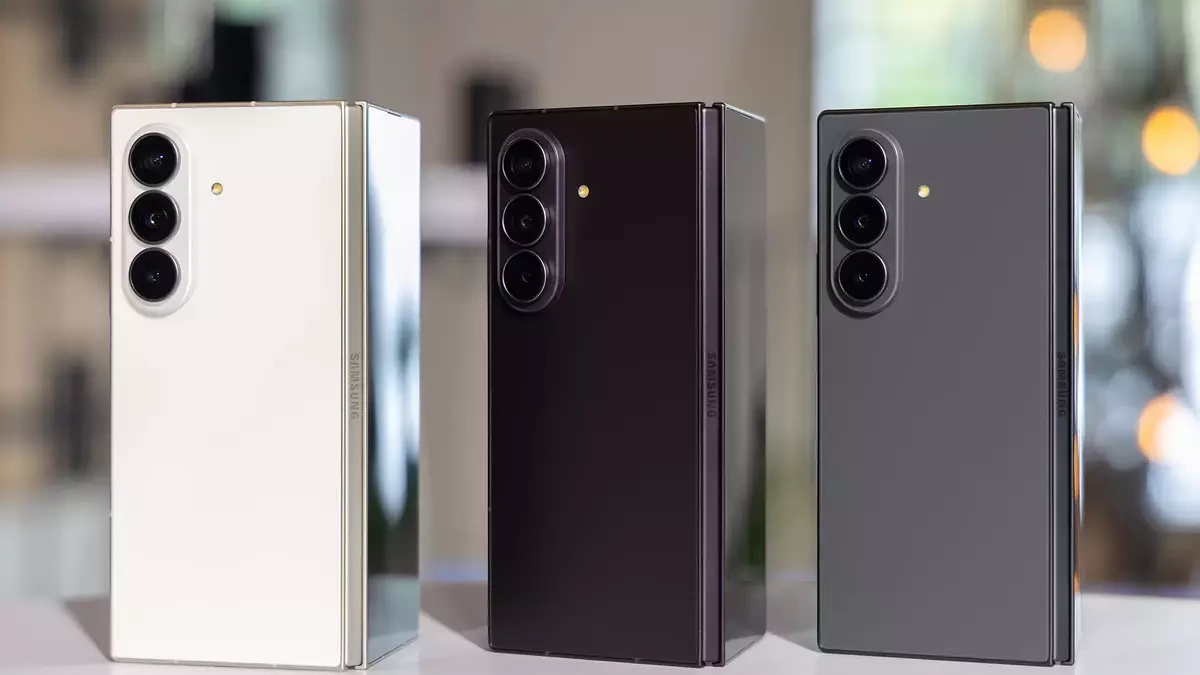
Samsung Electronics' mobile division (MX) recorded an operating loss of approximately 700 billion won (around $480 million) in the second quarter of 2023, according to the company's announcement on July 30. This marks an unusual development for the global smartphone giant. The MX division, which encompasses smartphones, laptops, tablets, and wearables, saw its revenue increase year-on-year to about 33.2 trillion won ($23 billion), driven by stable sales of its Galaxy S and Galaxy A series. However, rising component costs squeezed profits, ultimately leading to a loss. TM Roh, head of the MX business, had expressed concerns in April about potential losses in the second quarter due to increased component costs, particularly for memory chips. Samsung's Device eXperience (DX) division, which includes TVs, home appliances, and mobile, reported a total loss of $544 million. In contrast, the Device Solutions (DS) division, responsible for semiconductors, saw its revenue surge by 56% compared to the previous quarter, boosted by rising memory chip prices. This strong performance in the DS division helped Samsung achieve record-breaking quarterly revenue of $119 billion and profit of $62.2 billion overall, despite the challenges in its device business. Analysts note that while rising chip prices are enriching one part of Samsung's business, they are harming another, making the conglomerate susceptible to fluctuations in memory chip prices and the demands of large cloud service providers. For the DS division, Samsung anticipates continued rapid growth, citing long-term supply agreements with major data center operators and projections that global chip shortages will worsen and persist until 2028. Looking ahead, the MX division plans to focus on "high value-added products" to drive growth in subsequent quarters, specifically mentioning the upcoming Galaxy S26 and new foldable Galaxy Z series. The company also stated it will implement efficiency initiatives to mitigate the impact of rising costs, though specific measures were not detailed. Smartphone prices are expected to increase across all segments, reflecting higher component costs, with the $200-$500 price bracket likely to see the most significant hikes as component expenses constitute a large portion of device costs. Source: VnExpress
Original source
VnExpress