China Emphasizes 'Shared Prosperity' in Border Development, Influencing Laos
China is promoting 'shared prosperity' through infrastructure investment and economic opportunities, extending its minority region development strategy to border areas with Laos. This signals a potential influence on Laos' economic development and its relationship with China.
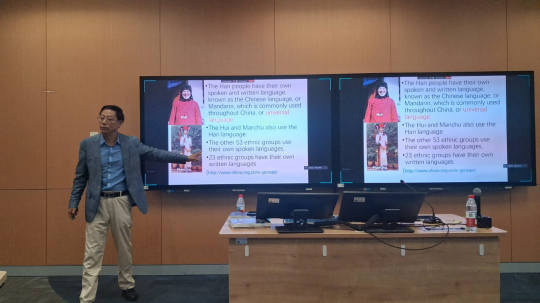
China is clearly aiming to achieve 'shared prosperity' by applying the development strategies cultivated in its ethnic minority regions to the border areas with Laos. This holds significant implications for Laos' economic development under its one-party system and its relationship with China. A prominent Chinese scholar pointed out that western regions within the country, particularly Xinjiang, Tibet, Yunnan, and Guizhou, have historically faced development challenges due to rugged terrain and geographical isolation. However, decades of investment in infrastructure projects such as highways and railways have significantly improved connectivity, transforming these once-remote areas into regions with greater access to markets, public services, and economic opportunities. The 'Great Western Development Strategy,' launched in 2000, has been a key driver of regional development, combining infrastructure investment with poverty alleviation measures and the system of ethnic regional autonomy. This strategy includes targeted poverty reduction initiatives, such as relocating households from remote mountainous areas to communities with improved access to employment, education, and healthcare. Furthermore, the expansion of compulsory education, bilingual instruction in Mandarin and local ethnic languages, and scholarship programs are being promoted in minority regions. Alongside economic development, China is also working to preserve ethnic cultures and traditions, including traditional crafts and intangible cultural heritage. This approach aims to safeguard the unique identities of China's ethnic minority communities while improving living standards through modernization. This regional development strategy by China could bring opportunities to neighboring Laos, such as strengthening economic ties through infrastructure development and expanding access to the Chinese market. The Laotian government prioritizes economic development while maintaining its one-party system, and investment and support from China could be crucial elements in achieving this. However, it is also conceivable that concerns regarding Laos' economic independence and political influence may arise due to increasing economic dependence on China. Source: KPL Laos News
多角的分析
中国の地域開発戦略は、ラオス国境地域におけるインフラ投資を通じて、貿易ルートの強化や物流コストの削減を促進する可能性がある。これにより、ラオスの農産物や鉱産物の輸出が拡大し、経済成長の起爆剤となりうる。しかし、中国への依存度が高まることで、ラオスの一次産品輸出構造が固定化し、高付加価値産業への転換が遅れるリスクも存在する。過去の中国によるインフラ支援プロジェクト(例:ラオス・中国鉄道)でも、債務負担の増加が指摘されており、同様の懸念が再燃する可能性も否定できない。
中国の地域開発戦略は、ラオス国境地域におけるインフラ投資の増加を示唆しており、建設業や物流業への投資機会を生み出す可能性がある。また、中国市場へのアクセス改善は、ラオスの天然資源や農産物に関連する企業にとって魅力的だろう。しかし、ラオスの政治的安定性や法制度の不透明性は、投資家にとって依然としてリスク要因となる。特に、一党体制下での意思決定プロセスや、外資規制の変更リスクは、慎重な評価が必要となる。
中国の地域開発戦略がラオス国境地域に波及することで、インフラ整備が進み、一部の住民の生活環境は改善される可能性がある。しかし、経済的恩恵が地域間で不均等に分配された場合、新たな格差を生む恐れがある。また、中国からの移住労働者の増加や、文化交流の深化は、地域社会の伝統的な価値観や社会構造に変化をもたらす可能性があり、住民間の摩擦や摩擦が生じることも考えられる。例えば、地域経済の活性化が、土地利用の変化や環境問題を引き起こす可能性も指摘されている。
中国の地域開発戦略は、ラオス国民、特に国境地域に住む人々にとって、雇用機会の増加や生活水準の向上といった恩恵をもたらす可能性がある。しかし、経済開発の恩恵が一部の層に集中し、格差が拡大する懸念もある。また、中国への経済的依存度の高まりは、ラオス経済の脆弱性を露呈させ、将来的な生活への不安を増大させる可能性も指摘されている。特に、物価上昇や通貨価値の変動は、一般市民の生活に直接的な影響を与えるだろう。
背景・歴史的文脈
中国は、国内の広大な少数民族地域、特に西部地域における開発の遅れを長年課題としてきた。1990年代末から「大西部開発戦略」を推進し、インフラ整備、貧困削減、教育・文化支援を包括的に実施することで、これらの地域の経済的・社会的な発展を目指してきた。この戦略は、地域間の格差是正と国家統合の強化を目的としている。ラオスは、中国と長い国境を接し、経済的にも中国への依存度が高い国である。中国が国内で成功させた地域開発モデルを、ラオス国境地域に適用することは、ラオス経済のさらなる中国への統合を促進し、両国間の経済的・政治的関係を一層強化する可能性を秘めている。
原文ソース
KPL Laos News