Nearly 7,000 Students in Border Provinces Gain Information Literacy Skills to Combat Fake News
Cambodia's Ministry of Education announced that approximately 7,000 students in border provinces have received information literacy education, equipping them to handle cyber risks and fake news and fostering "complete digital citizens" for the digital age.
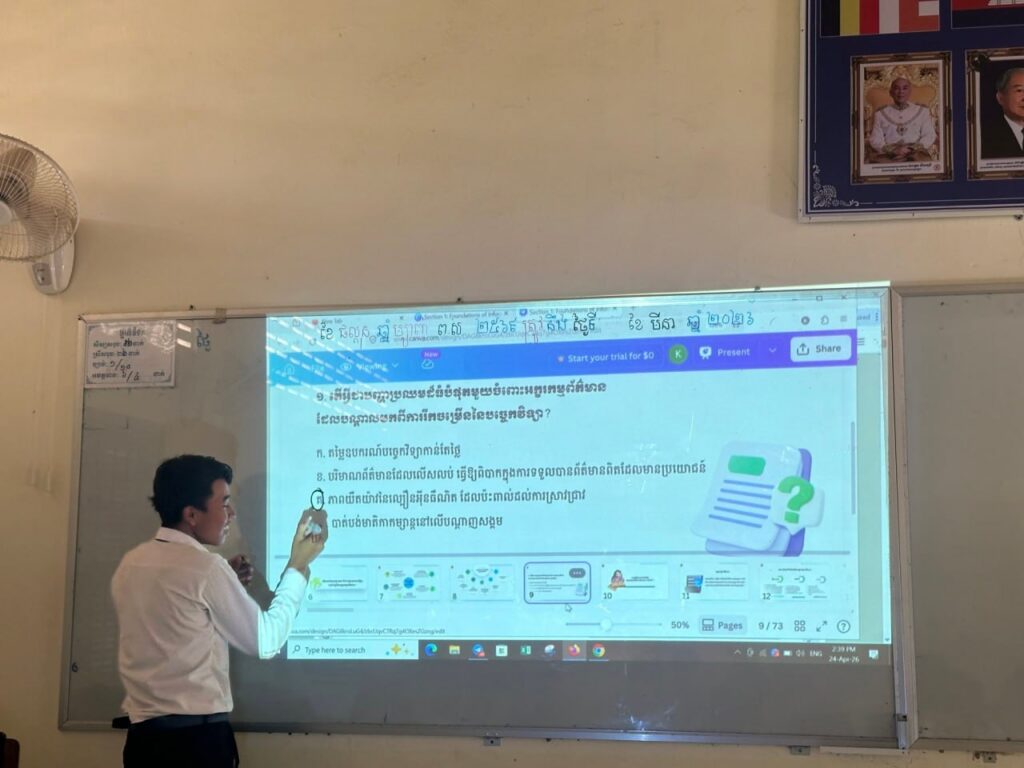
The Ministry of Education, Youth, and Sport has announced that approximately 7,000 students in border provinces have acquired knowledge in "information literacy." This education aims to enhance students' ability to counter cyber risks and the impact of fake news, fostering the development of "complete digital citizens" for the digital age. According to the ministry, this foundational knowledge serves as a shield and a compass for students to keep pace with the advancements of the digital era, meeting the skill demands of the 21st century. Information literacy strengthens the safe, smart, and responsible use of media, enabling students to evaluate information sources, protect their privacy, and defend against online risks. The initiative goes beyond merely teaching how to use information and the internet; students are cultivating deep critical thinking skills, especially crucial given the chaotic information prevalent on social media that significantly influences young people. As part of collaborative efforts to promote information literacy in education, the Digital Transformation Department of the Ministry of Education, Youth, and Sport, in cooperation with the private sector and the Ministry of Post and Telecommunications, implemented a project to strengthen information literacy capacity for 100 teachers in four provinces: Banteay Meanchey, Oddar Meanchey, Stung Treng, and Mondulkiri. The training was conducted in two phases, with face-to-face sessions focusing on effective teaching methodologies and online sessions concentrating on content and techniques delivered via the ministry's capacity development platform. Through this project, the trained teachers became "master instructors," disseminating knowledge to students at their respective target schools. Consequently, approximately 7,000 students have benefited from acquiring knowledge in information literacy.
多角的分析
情報リテラシー教育は、デジタル経済への移行を加速させるカンボジアにとって、長期的な人的資本投資と見なせます。偽情報への耐性が高まることで、オンライン詐欺や不確かな投資情報による経済的損失が減少し、より健全なデジタル市場の形成に寄与する可能性があります。これは、特に国境地帯のような情報アクセスが限られる地域において、経済的機会の不均等を是正する一助となるでしょう。
投資家にとって、情報リテラシーの向上は、より情報に基づいた意思決定を行う国民を増やすことを意味します。これにより、詐欺的な投資スキームへの脆弱性が低下し、より透明性の高い市場環境が期待できます。特に、デジタルインフラや教育関連テクノロジーへの投資は、長期的な成長ポテンシャルを持つ分野として注目される可能性があります。
国境地帯の若者が偽情報に惑わされることなく、批判的思考を身につけることは、社会の安定と民主的プロセスの健全な発展に不可欠です。情報リテラシーは、社会的な分断を煽るような誤った情報やヘイトスピーチから個人を守り、より建設的な公共の議論を促進する基盤となります。教師100人がマスターインストラクターとなることで、その影響は指数関数的に広がる可能性があります。
国境地帯に住む市民にとって、この教育は、インターネット上の情報に踊らされず、自分で真実を見極める力を与えてくれます。SNSで流れるデマや、不確かな投資話に騙されるリスクが減り、日常生活での判断力が向上します。特に、物価上昇や生活費の不安がある中で、正確な情報に基づいて賢く消費し、生活を守るために役立つでしょう。
背景・歴史的文脈
カンボジアでは近年、インターネットの普及とスマートフォンの利用拡大に伴い、偽情報や誤解を招くコンテンツの拡散が社会的な課題となっています。特に、政治的な言説や社会問題に関する不確かな情報が、市民、とりわけ若年層の間で急速に広がる傾向が見られます。これに対処するため、カンボジア政府はデジタル化推進政策の一環として、情報リテラシー教育の重要性を認識し、教育省を中心にその普及に努めてきました。今回の国境地帯での取り組みは、地理的な制約や情報格差がある地域への重点的な支援策として位置づけられます。
原文ソース
Kampuchea Thmey Local