General articles are free for 24 hours after publish.
Indonesia Finally Enacts Agrarian Reform Law After 34 Years of Struggle
After a 34-year struggle by civil society organizations, Indonesia's parliament has finally passed the Agrarian Reform Law (UUPRA). The law guarantees the fulfillment, restoration, and recognition of people's rights to land and agrarian resources, and strengthens mechanisms for resolving land disputes.
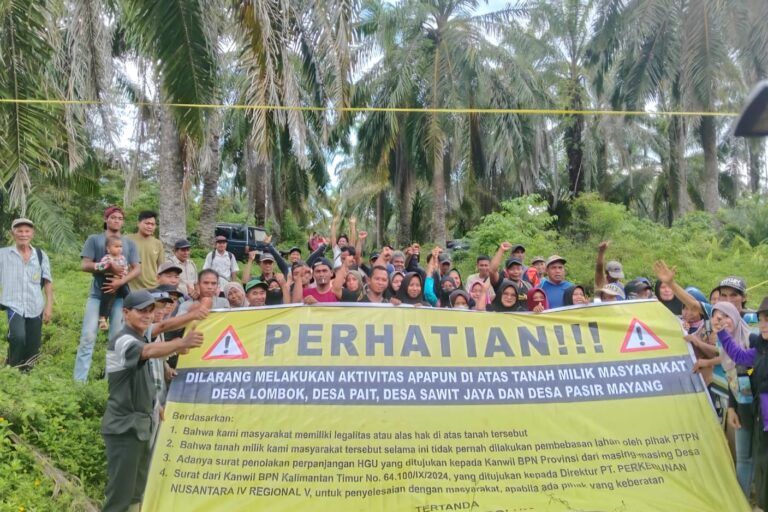
Finally, Indonesia has a Law on Agrarian Reform Regulation (UUPRA). The law, ratified by the House of Representatives (DPR) in a plenary meeting on September 22, is not a sudden development but the result of a 34-year long struggle by various civil society organizations. The Consortium for Agrarian Reform (KPA) considers the law a sweet gift for the people on National Farmers' Day, September 24. Dewi Kartika, Secretary General of KPA, stated that the process of passing the law was not easy. For decades, the idea of an Agrarian Reform Law repeatedly faced deadlock. Since its inclusion in the National Legislation Program (Prolegnas) on August 27, the discussion of the bill involved numerous debates, including objections from the government. Several substantive points became subjects of debate and were eventually returned to a more substantial process. "We discussed why agrarian reform must continue according to the law," she said in a press release received by Mongabay. The UUPRA contains several important and strategic regulations for the implementation of agrarian reform. Among them are guarantees for the fulfillment, restoration, and recognition of people's rights to land and agrarian resources. It also includes the determination of priority locations for agrarian reform (LPRA), regulations on objects and subjects of agrarian reform, and the establishment of a special institution for agrarian reform. The law also regulates the mechanism for resolving agrarian conflicts and restoring land rights, redistributing land, empowering agrarian reform subjects, and providing legal protection for people defending their land rights. "Another important point is the regulation, control, and limitation of land ownership and possession to prevent the concentration of land control, both by the state and the private sector," Dewi added. UUPRA also strengthens public participation in agrarian reform, establishes a supervisory board, and builds a data and reporting system for agrarian reform. It also regulates funding, criminal provisions, and transitional provisions.
Original source
Mongabay Indonesia