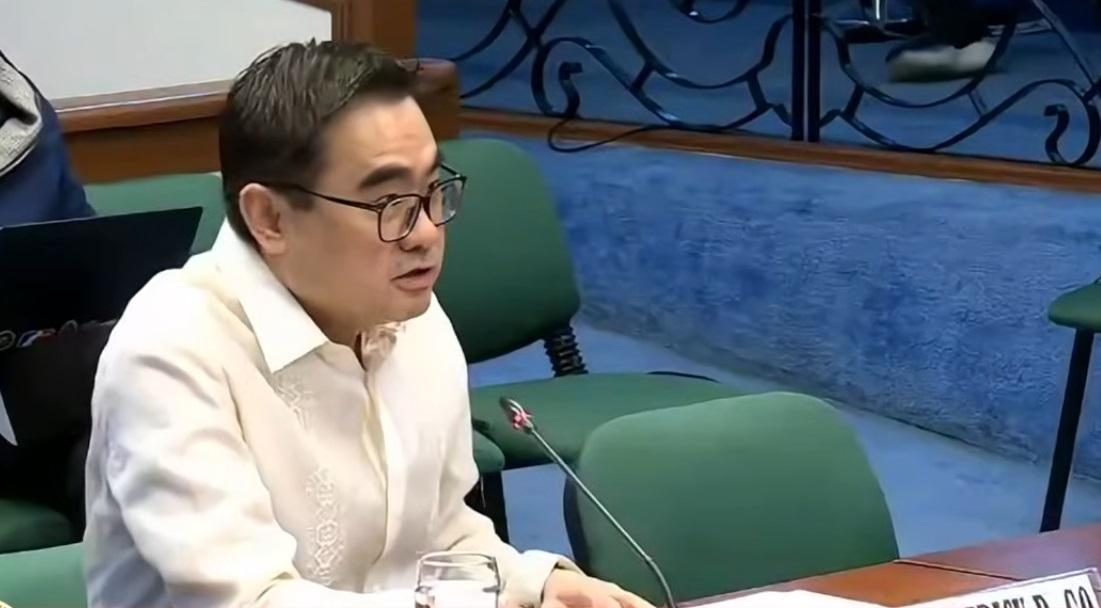
Philippines Eyes Free Digital Transfers as Finance Chief Expresses Hope
Philippine Finance Secretary Frederick Go expressed optimism that digital transaction fees, including interbank fund transfers, will eventually be eliminated. This follows announcements from major banks to waive fees and central bank regulations mandating that charges reflect only actual processing costs, aiming to boost convenience and digital adoption.
Finance Secretary Frederick Go expressed optimism that digital transaction fees, including interbank and intrabank fund movements, would eventually be free. "I am hopeful that almost all digital transactions will soon be free of charge,” Go said in a message to reporters. The Finance chief made the remark after two major banks announced the removal of interbank transfer fees. Ayala-led Bank of the Philippine Islands (BPI) permanently removed fees from transactions made through InstaPay and PESONet starting July 1, 2026, while Rizal Commercial Banking Corp. (RCBC) is set to make InstaPay transfers free starting Saturday, July 4, 2026. Bangko Sentral ng Pilipinas (BSP) Governor Eli Remolona Jr., meanwhile, said he is expecting more banks to waive interbank fund transfer fees as the central bank circular adjusting intrabank and interbank transfer fees to reflect only the actual “switch cost”—the cost of processing a transaction through a payment network—takes effect. The “switch cost” is estimated at P1.50, meaning banks that already have intrabank transfers free can only charge up to P1.50 for interbank transfers. The BSP issued Memorandum 2026-025 on June 17, which implements Circular 1238, lifting the moratorium on changes to InstaPay and PESONet transaction fees. It mandates that all digital transaction fees be based on actual processing costs, remain lower than over-the-counter banking fees, and ensure that recipients receive the full amount sent without deductions. This development is seen as a significant step towards enhancing financial inclusion and promoting the digital economy in the Philippines, a key priority for the Marcos administration. Lowering transaction costs is expected to benefit a wide range of users, from overseas Filipino workers (OFWs) sending remittances to individuals making everyday payments.
多角的分析
デジタル送金手数料の無料化は、フィリピン経済における取引コストの削減に直結し、特に小規模事業者や個人間の送金コストを低減させることで、経済活動の活性化に寄与すると考えられる。中央銀行が「スイッチコスト」のみを徴収するよう求めていることは、銀行の収益構造に影響を与える可能性があるが、長期的にはデジタル決済の普及を促進し、より広範な経済参加を促す効果が期待される。これは、フィリピンが目指すデジタル経済への移行を加速させる重要な要因となる。
デジタル送金手数料の無料化は、フィンテック企業や決済プラットフォーム事業者にとっては、新たな収益モデルの構築やサービス拡大の機会となる可能性がある。一方で、既存の銀行にとっては、手数料収入の減少という直接的な影響がある。しかし、長期的に見れば、デジタル決済の普及は顧客基盤の拡大に繋がり、新たな金融サービス開発の余地を生み出すため、投資家は、この変化に適応し、革新的なサービスを提供する企業に注目するだろう。特に、OFWからの送金市場は巨大であり、手数料無料化は送金額の増加に繋がる可能性がある。
デジタル送金手数料の無料化は、フィリピン国内の金融包摂を大きく前進させる可能性がある。特に、これまで銀行口座を持てなかった層や、送金手数料を負担に感じていた地方の住民、海外で働くフィリピン人労働者(OFW)にとって、送金がより容易かつ安価になるため、生活水準の向上に繋がる。例えば、OFWが家族に送金する際の負担が減ることで、家族の生活が安定し、教育や医療への投資が増えることが期待される。また、国内の小規模事業者は、仕入れや販売における決済コストを削減でき、事業の継続・拡大に繋がる可能性がある。
このニュースは、フィリピン国民、特に海外で働くフィリピン人労働者(OFW)とその家族、そして国内で小規模ビジネスを営む人々にとって、直接的な恩恵をもたらす可能性が高い。手数料が無料になれば、OFWが母国へ送金する際の負担が大幅に軽減され、家族の生活がより安定する。また、国内での個人間送金や、オンラインでの商品購入・販売における決済コストも削減されるため、経済活動がより活発になると考えられる。これは、フィリピン政府が推進するデジタル化政策の一環であり、金融包摂の拡大という観点からも、多くの国民にとって歓迎すべき変化と言える。
背景・歴史的文脈
フィリピンでは、経済成長と並行してデジタル化への移行が急速に進んでいる。特に、海外で働くフィリピン人労働者(OFW)からの送金は、フィリピン経済にとって重要な外貨獲得源であり、その送金手数料の高さは長年の課題であった。過去には、OFWが送金手数料の負担軽減を政府に求める声も多く上がっていた。また、国内においても、銀行口座を持たない層への金融サービス提供(金融包摂)が重要な政策課題とされてきた。こうした背景から、フィリピン中央銀行(BSP)は、デジタル決済システムの普及と利用促進に向けた取り組みを強化しており、InstaPayやPESONetといった決済プラットフォームの整備・改善を進めてきた。今回の手数料無料化への動きは、こうした長年の課題解決と、デジタル経済への移行を加速させるための、政府と金融機関による連携の成果と言える。
原文ソース
GMA Money Philippines