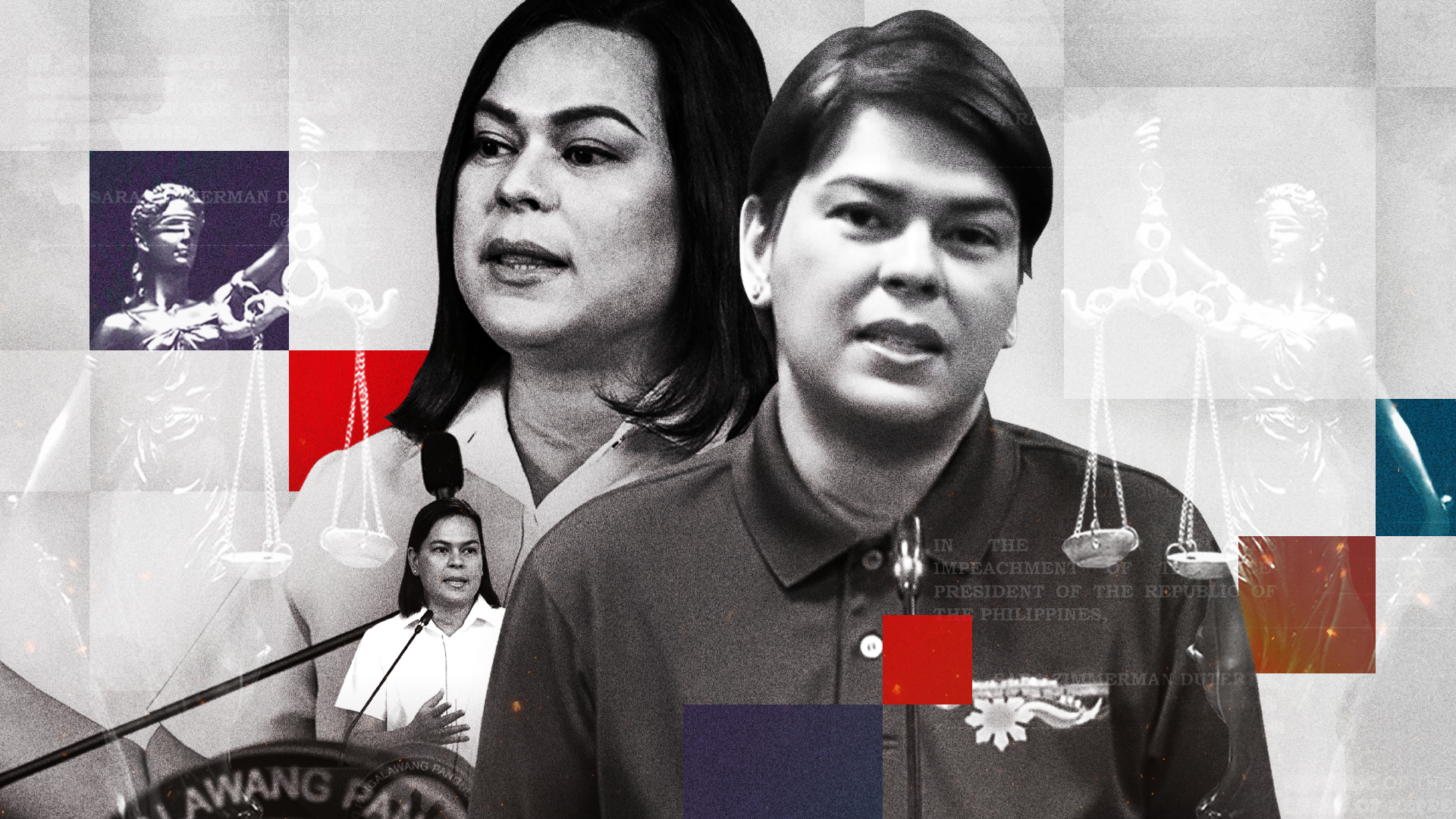
VP Duterte Impeachment Trial Day 8: NBI Chief's Testimony, Security Concerns
Politics
2026年7月22日
5
Inquirer NewsInfo

General articles are free for 24 hours after publish.

VP Duterte Impeachment Trial Day 8: NBI Chief's Testimony, Security Concerns

Share
AI Summary

On the eighth day of Vice President Sara Duterte's impeachment trial, the NBI director testified, linking alleged threats against President Marcos Jr. and others to ongoing security concerns. The Senate admonished the NBI chief.

MANILA, Philippines — The eighth day of the impeachment trial against Vice President Sara Duterte saw National Bureau of Investigation (NBI) Director Melvin Matibag take the stand. Director Matibag testified, linking alleged threats against President Ferdinand Marcos Jr., his wife, and a former speaker to a continuing security concern. This testimony is significant as it points to the potential for political tensions within the Philippines to translate into security risks for the nation's leadership. The assertion that threats against the President and his family could impact national stability is likely to heighten the vigilance of security agencies. However, the Senate impeachment court admonished Director Matibag regarding the careful handling of his testimony. This action is likely a consideration of the potential impact of his statements on the proceedings and the reputation of those involved. The impeachment trial is proceeding amidst political rivalries, and each piece of testimony could potentially cause significant ripples. Reports indicate that various other developments related to the impeachment process also occurred during this public hearing. Political processes in the Philippines often involve complex interests and power struggles, drawing considerable public attention. The political situation in the Philippines frequently garners both domestic and international attention. An impeachment trial involving a figure in a key position like the Vice President can influence the stability of the administration and future political trends. Furthermore, the extent to which the NBI director's testimony will affect the domestic security situation and the intensification of political rivalries remains a point of close observation. For the Philippines, a nation with a large overseas workforce, domestic political, economic, and security conditions indirectly affect the lives of its citizens abroad. Political instability, in particular, can lead to economic stagnation, raising concerns about a reduction in employment opportunities. In terms of Japan-Philippines relations, the political stability of the Philippines is crucial from the perspective of economic cooperation and investment. Japanese companies are also closely monitoring the local political situation for their business operations in the country.

0

Original source

Inquirer NewsInfo

原文を読む