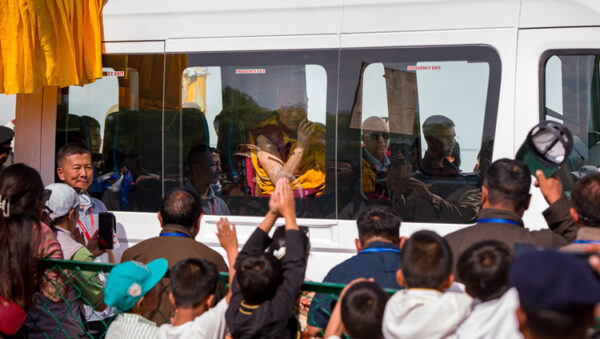
India and China Vie for Buddhism's Future as Dalai Lama Turns 91
As the 14th Dalai Lama turns 91, India and China are escalating their rivalry over the selection of his successor, vying for custodianship of Buddhism and soft power influence across Asia. The contest highlights a deeper struggle for influence over the future of the faith.
As the 14th Dalai Lama turns 91, the rivalry between India and China over the future of Buddhism is entering its most consequential phase. The Tibetan spiritual leader has affirmed that his institution will continue after his death, with his Gaden Phodrang Trust holding sole authority to recognize his reincarnation, pointedly excluding Beijing. China has rejected this, insisting any reincarnation must comply with Chinese law and "historical conventions." China has been investing heavily in Buddhist institutions and cultural exchanges across Asia, aiming to position itself as the center of the Buddhist world. In Nepal, Chinese-backed institutions have proliferated around Lumbini, the Buddha's birthplace, in an apparent move to shift Buddhism's sacred geography northward. This soft power push aims to improve China's image in Theravada Buddhist countries and build a constituency that might one day recognize a Beijing-appointed Dalai Lama, while also advancing the domestic project of "sinicizing" Tibetan Buddhism. India, leveraging its historical ties to Buddhism and its long-standing support for the Dalai Lama and the Central Tibetan Administration, has launched its own Buddhist diplomacy. Initiatives include the International Buddhist Confederation, the development of the Buddhist Circuit pilgrimage route, and "relic diplomacy," where sacred remains of the Buddha are sent to countries like Thailand, Vietnam, and Mongolia. This strategy seeks to foster goodwill in regions where China's economic influence is deep. India is also investing in a $10 million international center for Buddhist culture in Lumbini, near Chinese-backed projects, signaling its intent to contest narratives surrounding the Buddha's birthplace. The Dalai Lama's continued presence in India for 67 years remains an unparalleled asset for New Delhi's moral standing in the Buddhist world. This contest is not merely a religious issue but a significant geopolitical struggle for influence in Asia, with profound implications for the future of Buddhism.
多角的分析
中国は仏教文化への投資を通じてソフトパワーを強化し、アジアにおける経済的影響力と結びつけた影響力拡大を図っている。一方、インドは仏教遺産を戦略的に活用し、観光や文化交流を通じて経済的恩恵と地政学的な発言力を同時に高めようとしている。両国の仏教界への投資合戦は、アジアの文化経済圏における主導権争いの一側面と言える。
仏教関連の観光資源や文化遺産への投資は、長期的な観光収入や文化交流を通じた経済効果が期待できる。特に、中国が主導する「一帯一路」構想の文脈で仏教関連インフラ整備が進む地域では、関連ビジネスへの投資機会が生まれる可能性がある。ただし、政治的リスクや地域間の緊張が投資環境に影響を与える可能性も否定できない。
次期ダライ・ラマ選定を巡るインドと中国の対立は、チベット仏教徒の信仰の自由と文化の維持に直接的な影響を与える。中国が介入する形で選定された指導者が公式な権威を持つようになれば、チベット文化の独自性が失われる懸念がある。また、仏教徒が多い東南アジア諸国における両国の影響力拡大競争は、各国の国内政治や社会構造にも間接的な影響を及ぼす可能性がある。
仏教徒にとって、ダライ・ラマは精神的指導者であり、その後継者選定は信仰の根幹に関わる問題である。中国政府による選定への介入は、多くの信者にとって受け入れがたいものであり、信仰の自由が脅かされると感じる可能性がある。また、両国のソフトパワー競争が激化する中で、仏教徒が多い地域では、自国の文化や伝統が他国の政治的思惑に利用されることへの懸念が生じるかもしれない。
背景・歴史的文脈
チベット仏教の最高指導者であるダライ・ラマは、1959年に中国によるチベット侵攻後、インドに亡命した。以来、インドはダライ・ラマとチベット亡命政府を保護し続けている。中国はチベット仏教の指導者の選定・承認権を自国政府が持つと主張しており、過去のパンチェン・ラマ選定時にも、ダライ・ラマが選んだ後継者を中国が認めず、独自の指導者を擁立した経緯がある。今回のダライ・ラマの後継者選定を巡る対立は、この長年の権力闘争の延長線上にある。
原文ソース
The Diplomat Indonesia