General articles are free for 24 hours after publish.
Vietnam Accelerates Search for Fallen Soldiers Through DNA Identification in 500-Day Campaign
Phu Tho province in Vietnam is actively implementing a 500-day campaign to identify the remains of fallen soldiers through DNA analysis. This humanitarian effort, rooted in the national 'drinking water, remember its source' principle, offers hope to thousands of families and utilizes scientific technology.
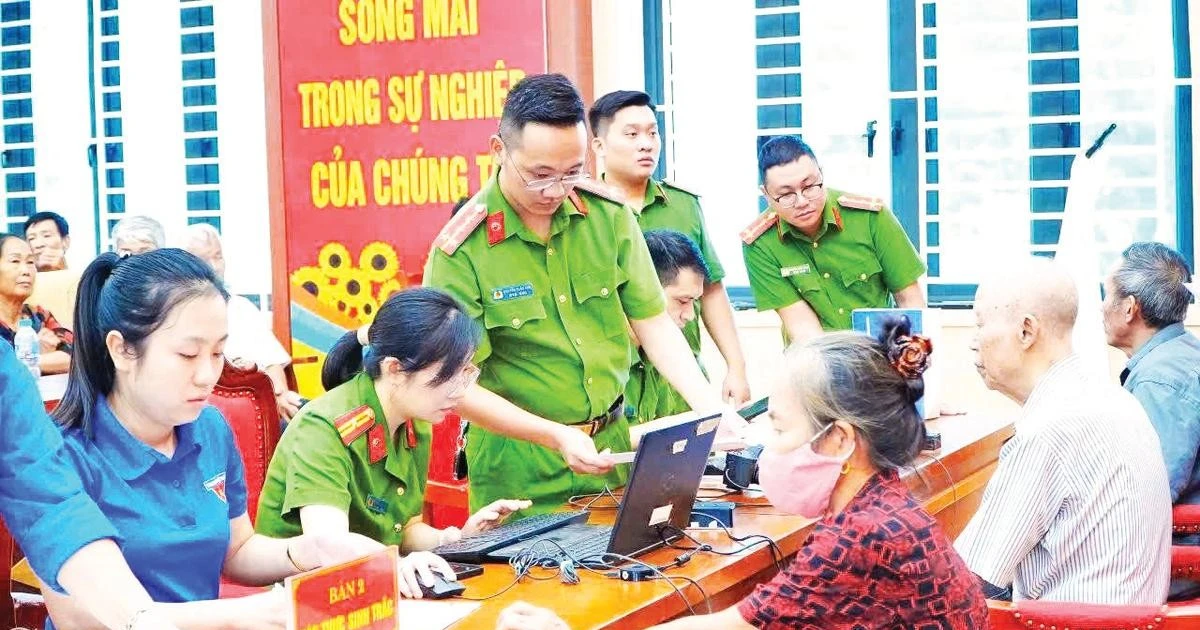
The northern Vietnamese province of Phu Tho is actively implementing a "500-day campaign" to promote the DNA identification of the remains of unidentified fallen soldiers. This is positioned not merely as a political task, but as a sacred mission from the heart, embodying the nation's moral principle of "drinking water, remember its source." According to the Provincial Military Command, the province has 292 martyrs' cemeteries and two memorial sites, containing 28,826 graves. However, 5,386 of these remain unidentified, with 4,938 graves requiring excavation and investigation for DNA analysis. The campaign aims to collect DNA samples from 4,837 graves across 131 martyrs' cemeteries. Phase one will focus on 4,531 unidentified graves in 125 cemeteries, while phase two will address 306 graves with partial information in 36 cemeteries. Veteran Nguyen Van Can, witnessing the DNA sample collection, emotionally shared, "Our greatest wish is for our comrades from the past to regain their names. Now, as biological samples are collected for DNA identification, that hope is gradually becoming a reality." Han Van Chuong, whose father and uncle were fallen soldiers, stated, "This 500-day campaign is a truly humanitarian policy of the Party and the State." A notable aspect of this campaign is the utilization of scientific and technological advancements in identifying martyrs through DNA analysis. This is considered a breakthrough solution, offering hope to thousands of families who have been searching for their loved ones for years. The process of excavating remains and collecting biological samples at the cemeteries is strictly standardized through eight stages, ensuring the protection of DNA structure and restoring the grave to its original state after sampling. Digitizing the entire process and data will create a synchronized management system, minimizing the risk of confusion and establishing a DNA database for comparison with relatives nationwide. Preliminary statistics indicate that as of July 5, 795 graves have been successfully excavated in 23 cemeteries during phase one, with 732 samples collected for DNA identification, achieving 92% of the plan. This campaign is not just a race against time but also a humane journey of gratitude, contributing to alleviating the grief of martyrs' families and continuing the national tradition of "drinking water, remembering its source." With high political resolve, close coordination among all levels and sectors, and the support of the people, Phu Tho is steadily realizing the aspiration of returning the nation's outstanding sons to their families and homeland.
Original source
Nhan Dan