Laos Absent from Beijing's Global Civilization Dialogue Forum
Laos was not confirmed to have participated in a forum held in Beijing under the "Global Civilization Initiative." The forum aimed to address global challenges through inter-civilizational dialogue, with Laos's political context and its relationships with China and Vietnam drawing attention.
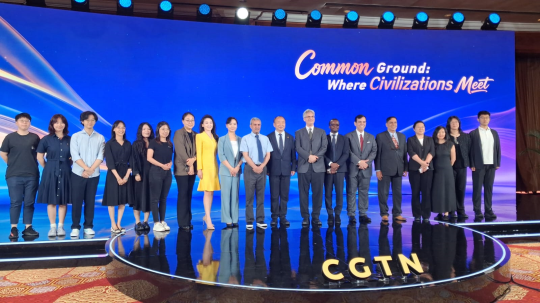
A forum on "Civilizational Dialogue" held in Beijing under the framework of the "Global Civilization Initiative" brought together leading sinologists and researchers from Russia, Türkiye, India, Canada, and several African countries to explore how cultural exchange can help address global challenges. However, no participants from Laos were confirmed for this forum. During the forum, Professor Xu Baofeng, Director of the World Center for Sinology at Beijing Language and Culture University, stated that dialogue among civilizations offers an effective response to growing geopolitical polarization. "All civilizations are created equal," Xu said, urging countries to move beyond exclusive narratives and embrace the principle of seeking common ground while respecting differences to build a more inclusive international order. Professor Daniel Alan Fried of the University of Alberta also emphasized that civilizations should be viewed as dynamic and evolving rather than static entities. Iraqi translator and sinologist Abbas Jawad Kdaimy noted that civilizations grow stronger through the sharing of knowledge rather than competition. Meanwhile, Joseph Oliver Mendo'o, head of the African Youth Delegation to China, stressed the importance of youth exchanges in fostering global unity. He concluded by citing an African proverb, stating, "Civilization is not a wall that separates us, but a bridge that unites us." The forum concluded with an interactive discussion on strengthening international cooperation through dialogue, with participants reaffirming that mutual respect, cultural exchange, and shared development remain essential to addressing common global challenges. Laos maintains strong political and economic ties with both China and Vietnam and is deeply involved in China's "Belt and Road" initiative. However, domestic economic challenges and potential concerns about increasing dependence on China have also been noted. Laos's absence from this forum could indicate how the country chooses to select international cooperation frameworks and balance them with its national interests. Source: KPL Laos News
多角的分析
ラオス経済は、中国やベトナムからの投資に大きく依存しており、特にインフラ開発や資源分野での連携が目立つ。今回のフォーラムは、文化交流を通じたグローバルな課題解決を謳っているが、ラオスにとって喫緊の課題は経済成長と安定であり、直接的な経済効果が見えにくいこうした国際会議への参加は、優先順位が低いと判断された可能性がある。また、ラオスは一党体制下で経済改革を進めているが、そのペースや方向性において、中国のモデルに影響を受けている側面も無視できない。
グローバルな投資家にとって、ラオスの経済政策や地政学的な立ち位置は常に注視されるべき点である。中国主導の国際的な枠組みへの参加は、中国との経済関係をさらに深化させる可能性を示唆する一方、ラオスが独自性を保てるかどうかが投資リスクとして考慮される。今回のフォーラムへの不参加は、ラオスが自国の開発戦略において、より直接的な経済的利益や国内の安定を優先していることを示唆しており、投資家はラオスの具体的な経済政策や対外関係の動向を、より慎重に見極める必要があるだろう。
ラオス社会において、文化交流や文明間の対話は、伝統的な価値観や仏教文化との関連で理解される側面がある。しかし、急速な経済発展と都市化が進む中で、若者世代を中心にグローバルな情報へのアクセスが増加している。今回のフォーラムのような、主に学術的・政治的な文脈での文明対話は、一般市民の日常生活に直接的な影響を与えにくい。ラオス政府が、国民生活の向上や貧困削減といった、より身近な社会課題への対応を優先している可能性も考えられる。
ラオス国民の多くは、日常生活における経済的な安定や雇用機会の確保を最優先に考えている。中国やベトナムとの関係は、経済的な恩恵をもたらす一方で、物価上昇や一部地域での生活様式の変化といった影響も生じている。このような国際的なフォーラムへの参加は、国民の直接的な関心事とはなりにくく、政府の政策決定において、経済発展や社会福祉の向上がより重視されていると考えられる。特に地方部では、こうした国際的な議論よりも、日々の生活の安定が切実な問題である。
背景・歴史的文脈
ラオスは共産党一党体制の社会主義共和国であり、ベトナム、中国と緊密な関係を維持している。特に中国は「一帯一路」構想を通じて、ラオスにおけるインフラ投資を拡大しており、経済的依存度を高めている。一方で、ラオス国内では経済格差やインフレといった課題も抱えている。今回のフォーラムは、中国が提唱する「グローバル文明イニシアチブ」の一環であり、文明間の相互理解と協力を通じた国際秩序の構築を目指すものだが、ラオスがこれに直接参加しなかった背景には、国内の経済的・政治的課題への対応や、対外関係における自国の立ち位置を慎重に考慮する姿勢があると推測される。
原文ソース
KPL Laos News