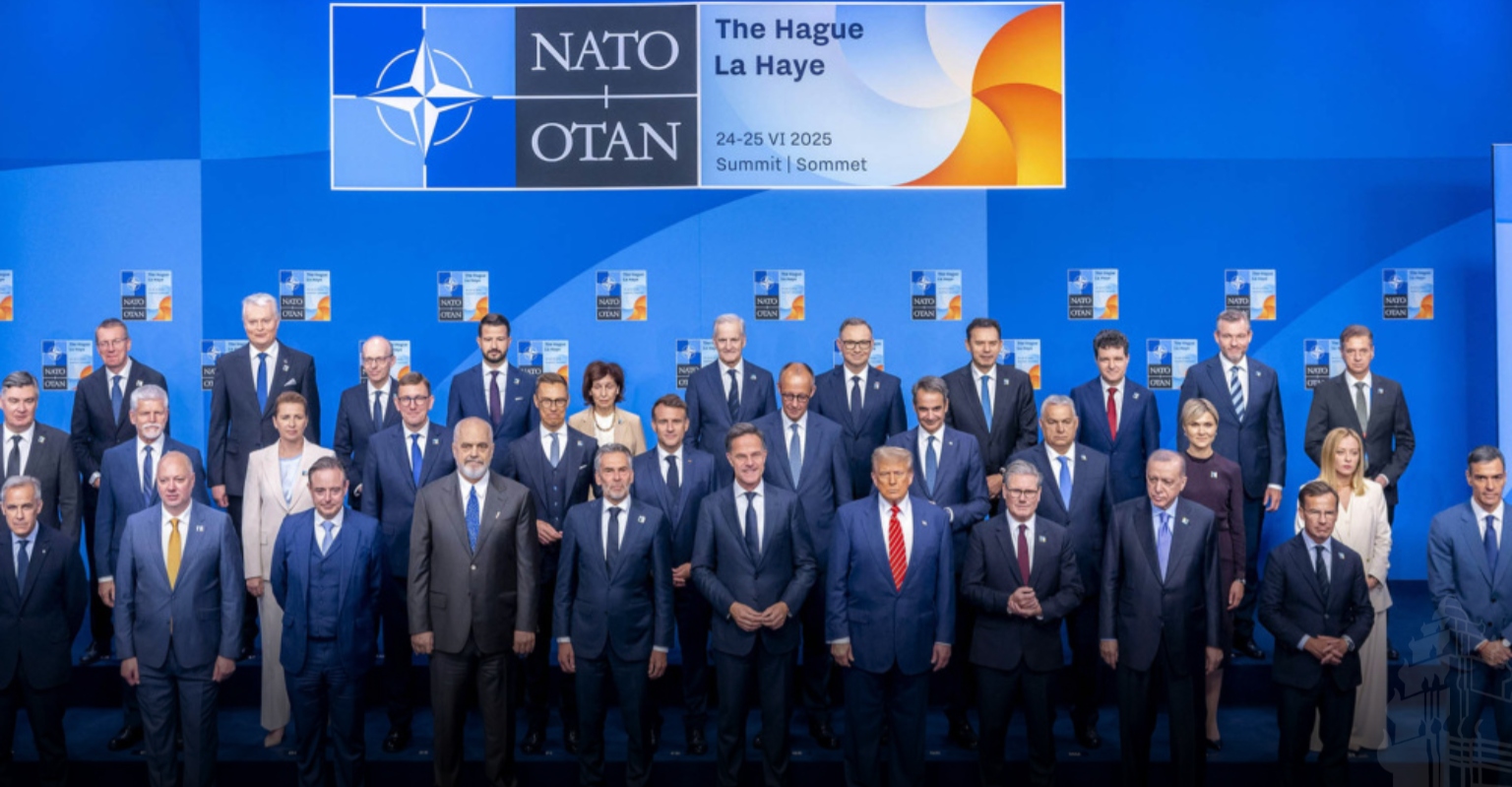
NATO to Announce Strengthened Unity Amid Ukraine Support and Russia Strategy
NATO member states will announce strengthened unity and continued support for Ukraine at the upcoming summit in Turkey. The plan includes significant military aid to Ukraine for 2026 and 2027. This aims to address former President Trump's concerns about financial burden sharing among allies and reaffirm the collective strategy against Russia.
Next week, at the NATO summit to be held in Ankara, Turkey, member states are expected to reaffirm their commitment to strengthening the alliance's unity and mutual defense. This move comes amid lingering concerns from former U.S. President Donald Trump regarding the uneven financial burden sharing among member nations, as the alliance seeks to maintain its cohesion. The draft declaration to be adopted at the summit includes a plan to provide military aid to Ukraine worth 70 billion euros (approximately 80 billion U.S. dollars) in 2026, with a commitment to continue similar levels of support in 2027. This aid package signifies the member states' determination to sustain Ukraine's defense capabilities in the long term. Former President Trump has previously questioned the alliance's structure, even suggesting withdrawal from NATO, citing insufficient defense spending contributions from some member states. However, the current draft declaration indicates that European nations are pledging to increase their contributions to alleviate the burden on the United States, seemingly addressing Trump's concerns. The draft statement identifies Russia as a "long-term threat to the security and stability of Europe and the Euro-Atlantic area," emphasizing the alliance's commitment to enhancing NATO's deterrence capabilities through cooperation. It specifically notes that European and Canadian member states will deepen their cooperation with the United States and assume greater responsibility for collective defense than in the past. In the context of the protracted conflict in Ukraine and rising uncertainty in the global security environment, this initiative can be seen as NATO's attempt to reassert its relevance both domestically and internationally. While Cambodia is not directly involved, the developments within this key alliance are noteworthy for global stability.
多角的分析
NATOによるウクライナへの大規模な軍事支援は、欧州経済に直接的な影響を与える。支援資金の大部分は欧州域内の軍事産業に投入されると見られ、防衛関連企業の収益増加や雇用創興につながる可能性がある。一方で、支援の継続は各国の財政負担を増加させ、インフレ圧力や財政赤字の拡大を招くリスクも指摘される。特に、支援額の増加は、防衛費以外の公共サービスへの支出を圧迫する可能性もある。
NATOの結束強化とウクライナ支援の継続は、地政学リスクへの投資家の懸念を一時的に緩和する可能性がある。しかし、トランプ前大統領のNATOへの懐疑的な姿勢は依然として残っており、将来的な不確実性要因となりうる。投資家は、欧州の防衛産業への投資機会を探る一方で、地政学的な緊張緩和の兆候や、各国財政の健全性にも注意を払う必要があるだろう。
NATOの結束強化は、欧州の安全保障に対する市民の安心感につながる可能性がある。しかし、ウクライナへの巨額の軍事支援は、一部の市民からは国内の社会福祉や経済的課題への投資を優先すべきだという声も上がるだろう。また、ロシアとの緊張関係の継続は、エネルギー価格の高騰やサプライチェーンの混乱を通じて、市民生活に間接的な影響を与え続けると考えられる。
NATOの声明は、欧州市民の安全保障に対する安心感を高める一方で、ウクライナへの巨額の軍事支援が自国の社会福祉や経済への投資を圧迫するのではないかという懸念も生む。特に、経済的に余裕のない層にとっては、物価高騰や公共サービスの質低下といった形で、より直接的な影響が懸念される。また、ロシアとの緊張が続くことで、エネルギー価格の不安定化や、それに伴う生活費の上昇が続く可能性も否定できない。
背景・歴史的文脈
NATOは冷戦期にソ連の脅威に対抗するため設立された集団安全保障機構である。冷戦終結後、その役割は変化し、バルカン半島紛争やアフガニスタンでのテロ対策など、新たな安全保障課題に対応してきた。2014年のロシアによるクリミア併合以降、ロシアとの緊張関係が再燃し、NATOは東欧への兵力配備を強化するなど、対ロシア抑止力の再構築を進めてきた。2022年のロシアによるウクライナ全面侵攻は、NATOの結束を改めて試す出来事となり、加盟国間の協力と支援の重要性が再認識されている。
原文ソース
Koh Santepheap Khmer