Dole Approves P85 Wage Hike for Metro Manila Workers
The Philippine Department of Labor and Employment (Dole) has approved an P85 minimum wage increase for the National Capital Region (NCR), to be implemented in two tranches by January next year. Labor groups criticize the hike as insufficient against inflation, while business groups express concerns over increased operational costs.
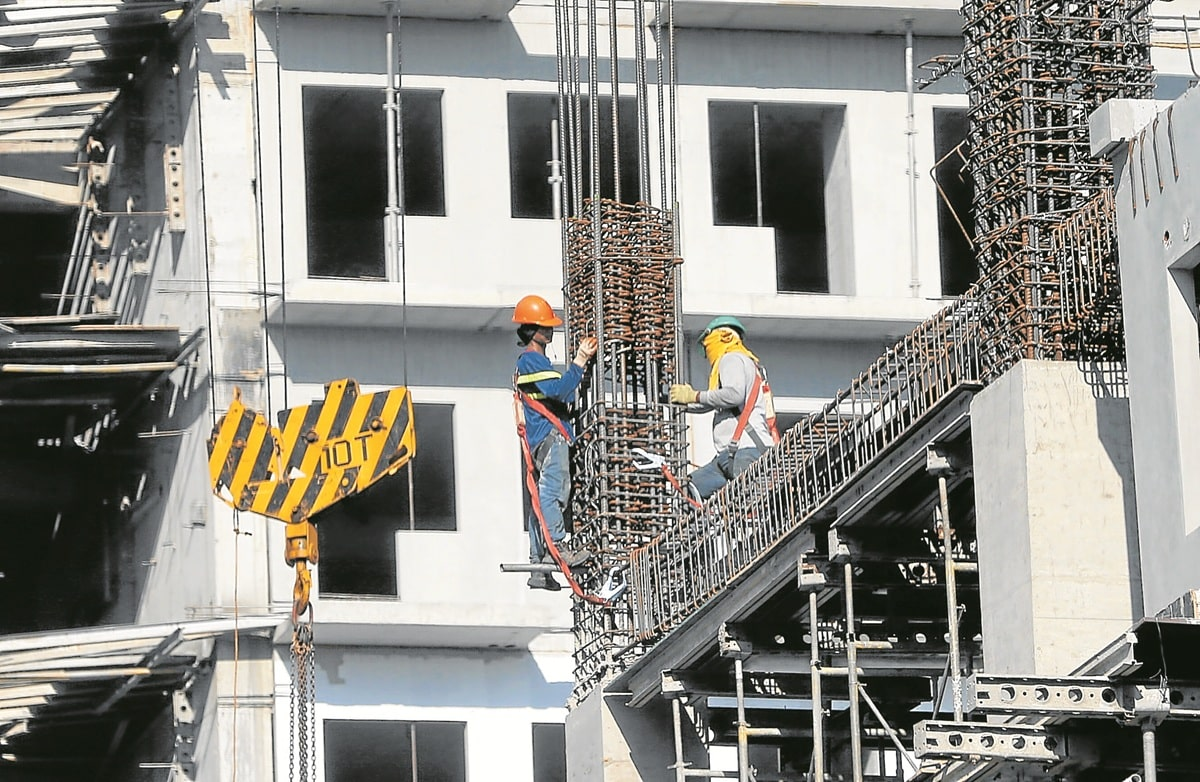
HARD WORK, LOW PAY Construction workers, who continue to be paid about P60 per hour, install steel bars at a building in Pasay City in this file photo. —INQUIRER FILE PHOTO MANILA, Philippines — The Department of Labor and Employment (Dole) on Tuesday approved a minimum wage hike of P85 for the National Capital Region (NCR), with the labor chief calling this a “historic” increase even as it elicited skepticism to disapproval from concerned stakeholders. The increase granted by Dole’s Wage Order No. NCR-27 will be delivered in two tranches—P60 to be given on July 19, when the order takes effect, and P25 on Jan. 20 next year. The new wage hike followed after several proposals for NCR workers had been submitted to Dole—from the P200 proposed increase filed by labor coalition Trade Union Congress of the Philippines (TUCP), to petitions calling for double the minimum wages in Metro Manila. The current wages are P695 for workers in the non-agriculture sector and P658 for workers in the agriculture sector and in businesses with only 10 to 15 employees. The wage hike will benefit more than 1.1 million NCR workers, Dole said in a statement, while Labor Secretary Francis Tolentino—addressing a meeting with market vendors and construction workers in Malabon City on Tuesday—called the wage adjustment “a historic P85 increase.” “It is the highest daily [increase] in the private sector,” he said. READ: Labor groups: P85 wage hike must not derail salary increase bill But business groups expressed concern over the new hike. In a message to the Inquirer, Philippine Chamber of Commerce and Industry president Ferdinand Ferrer called the increase “very challenging [for] businesses at this time.” Also reached for comment, Management Association of the Philippines president Donald Lim said businesses will comply with the new order, even as he noted that “many MSMEs (micro, small and medium enterprises) will face additional cost pressures that could affect hiring, expansion, and pricing decisions.” READ: Workers hit staggered wage hike: Why? Do we pay groceries in tranches? “The focus should now be on helping both workers and businesses by improving the ease of doing business, lowering logistics and energy costs, investing in skills and technology, and creating an environment where wage growth is driven by productivity rather than mandated increases alone,” he added. Labor groups criticized the wage increase and their “historic” significance as Tolentino put it. “What is truly ‘historic’ about this wage hike is not its magnitude but the shamelessness to call it historic. Not even a hundred pesos was added to the salary of workers after they lost hundreds of pesos worth of their income because of inflation,” TUCP said in a statement, as it again urged public support for its proposed wage hike. The group cited a recent hearing by the House committee on labor and employment which “Secretary Tolentino did not attend.” “Instead of joining the hunt for a true solution to low wages, he chose to defend and celebrate the regional wage board system that for decades failed to lift workers out of poverty,” TUCP said. Luke Espiritu, president of Bukluran ng Manggagawang Pilipino, also noted a resistance to legislated wage adjustments, saying the P85 increase “will be used by employers’ groups to advocate that there should not be a legislated wage hike.” TUCP and another group, the Labor Education and Research Network, also described the wage-increase tranches as “alms” and an “insult to struggling workers.” “Workers do not need spare change, we need a serious wage hike and a reform of our wage setting mechanisms,” the network said. In a statement by his group, Alliance of Concerned Teachers chair Ruby Bernardo said “Any wage increase won by workers is welcome, but let us not mistake crumbs for genuine economic relief.” —WITH REPORTS FROM KENNETH CHRISTIANE BASILIO, ANDREA GREGORIO, AND INQUIRER RESEARCH
多角的分析
今回の85ペソの最低賃金引き上げは、インフレ率の上昇と実質賃金の低下に苦しむ労働者層への支援策として実施された。しかし、企業側、特にMSMEにとっては、人件費の増加が直接的なコスト増となり、価格転嫁や雇用抑制につながるリスクがある。これは、消費の冷え込みや経済成長の鈍化を招く可能性も否定できない。フィリピン経済は、国内消費と海外送金に大きく依存しており、賃金水準の動向はこれらの要素に直接影響を与えるため、慎重なバランス感覚が求められる。
投資家にとっては、今回の賃上げは企業収益への圧迫要因となり得る。特に、労働集約型の産業や、利益率の低いMSMEに投資している場合は、収益性の低下や事業継続リスクを考慮する必要がある。一方で、賃上げによって消費者の購買力が増加し、特定分野(消費財など)への需要が拡大する可能性もある。しかし、その効果がコスト増を上回るかどうかは不透明であり、企業業績の分析をより一層慎重に行う必要性が高まる。
この賃上げは、首都圏で働く110万人以上の労働者にとって、生活水準向上の可能性を秘めている。しかし、労働団体が指摘するように、インフレ率を考慮すると、その効果は限定的であり、「歴史的」と称されるほどの抜本的な改善とは言えない。特に、物価上昇が続く中で、食料品などの生活必需品を分割払いにできないように、賃上げも一度に実施すべきだという労働者の切実な声は、社会的な格差や貧困問題の根深さを示唆している。地方の労働者との賃金格差も、社会的な不満の一因となりうる。
マニラ首都圏の市民、特に低賃金労働者は、この賃上げを歓迎する一方で、実質的な生活改善への期待と不安が入り混じっている。日々の食費や交通費、家賃の上昇を考えると、85ペソの追加収入がどれだけ家計の助けになるかは疑問視されている。企業側が価格転嫁や雇用削減に動けば、かえって生活が苦しくなる可能性もある。政府には、賃上げだけでなく、物価安定策や雇用創出策も同時に進めることが強く求められている。
背景・歴史的文脈
フィリピンにおける最低賃金の設定は、地方賃金委員会が各地域の経済状況や物価を考慮して決定する仕組みとなっている。しかし、長らくインフレ率に賃上げが追いつかず、労働者の実質賃金は低下傾向にあった。特に首都圏(NCR)では、生活費の高騰が著しく、最低賃金の引き上げを求める声は長年くすぶっていた。今回の85ペソという引き上げ幅は、労働団体からは依然として不十分との批判があるものの、過去の事例と比較して比較的大きなものとされている。しかし、その実施が2段階に分かれていることや、企業側の懸念表明は、フィリピン経済が抱える構造的な課題、すなわち、経済成長の恩恵が労働者に十分に行き渡りにくい状況を示唆している。
原文ソース
Inquirer NewsInfo