Early Retirement's Double-Edged Sword: The Reality of FIRE in Vietnam
As the FIRE (Financial Independence, Retire Early) movement gains traction in Vietnam, one man shares his experience of facing existential emptiness despite achieving financial freedom. The story highlights the value of work-related fulfillment and social connection, which money alone cannot provide.
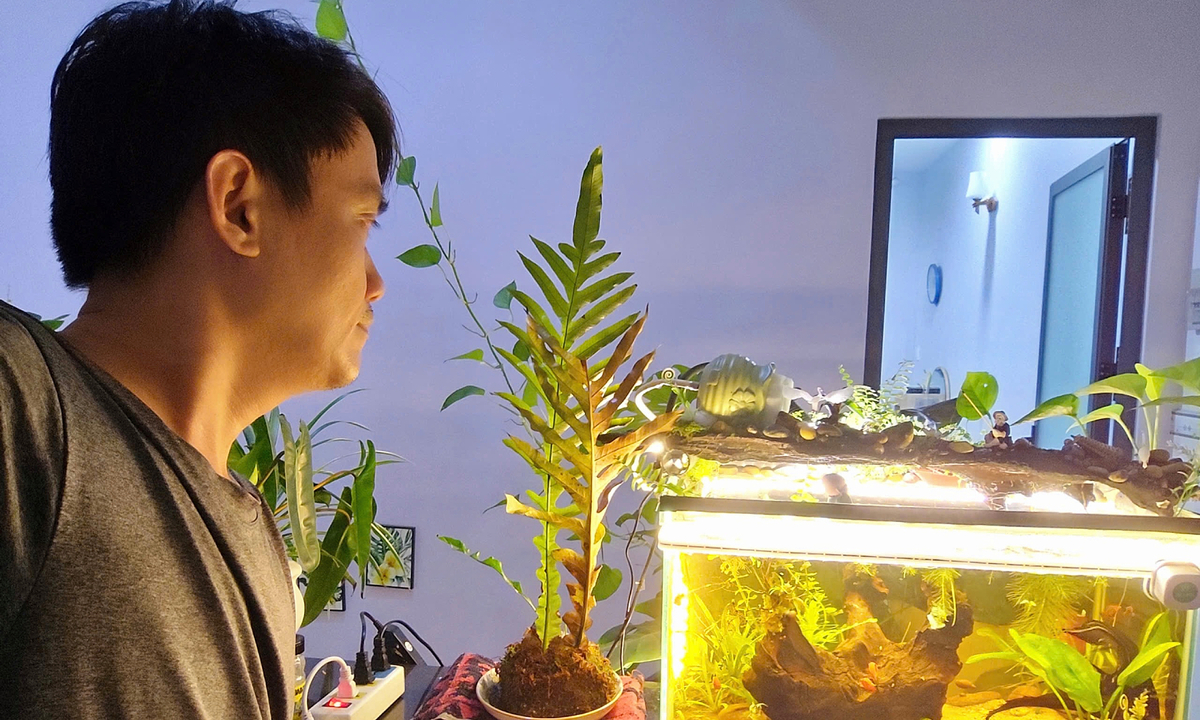
As the FIRE (Financial Independence, Retire Early) movement gains traction in Vietnam, a man who retired at 40 is sharing his experience of facing existential emptiness despite achieving financial freedom. His story highlights the value of work-related fulfillment and social connection, which money alone cannot provide. Phat Nguyen, 42, spent nearly two decades as a systems consultant for Japanese companies, driven by the ambition to earn aggressively while young and retire early. "I was doing two or three jobs at the same time. Back then I had only one goal, accumulate fast and invest early," he recalls. His work schedule was relentless. He often sat at his computer for hours without drinking water, skipped meals, and spent holidays answering emails or finishing project plans. "I was doing two or three jobs at the same time. Back then I had only one goal, accumulate fast and invest early," he says. By 2023, when he turned 40, Phat had a house on the outskirts of Ho Chi Minh City, a car, VND1 billion ($38,000) in cash, and several plots of land. A row of rental rooms brought in a passive cash flow of VND35-40 million ($1,300-1,500) per month. His assets were worth around VND20 billion ($761,000). Feeling financially secure, he handed in his resignation and embarked on the FIRE path (financial independence, retire early). "I didn't hate working; I just thought that if I worked fast enough and hard enough while I was young, there would come a day when I could live the way I wanted," he says. FIRE began gaining traction in Vietnam around 2020. A VnExpress survey of nearly 20,000 readers found that only 11% want to work until the official retirement age. Some 55% want to retire from 50, 29% between 40 and 50, and 5% before the age of 40. Phat Nguyen, 43, takes up gardening and raising ornamental fish after retiring early. Photo courtesy of Phat The honeymoon of freedom In the first two years after leaving the office, Phat's life unfolded just as he had hoped. He would wake up, have coffee and breakfast with his family, tend his plants, and feed his fish. At 9 a.m., he would do a few small freelance projects to keep his skills honed. Afternoons were for badminton, evenings were for family. The free time allowed him to pursue hobbies long set aside. He renovated his living space. On a 40-square-meter west-facing rooftop, he designed an automatic irrigation system and planted drought-resistant varieties. Balconies and the air well were filled with tropical foliage. Interspersed among them were five water features for ornamental fish. It was also the first time he had the chance to truly be present for his two children, then in grades six and nine. He taught them life skills, cultivated their independence, and was there for them as they entered adolescence. Weekends were often spent playing sport together or visiting the family's hometown; longer holidays were mapped out as exploration trips. "The amount I did for myself and my family in those two years was more than in the previous 10 years put together," he says. But not long afterward, freedom revealed its dark side: Every morning, with his wife at work, children at school, and friends busy making ends meet, Phat found himself out of sync with the world around him. A life without deadlines, KPIs, or pressure suddenly became a dull loop. "After I'd done everything I wanted to do and played everything I wanted to play, I didn't know what to wake up for each morning," he says. Then there was an epiphany during a hospital visit to see a relative. Watching elderly patients waiting to be seen, he asked himself: "I'm barely past 40, why am I already living like someone waiting to meet their ancestors?" It was then that he understood why so many Japanese managers in their 60s and 70s still come to Vietnam to work, he says. According to Dr. Gian Tu Trung, chairman of the PACE Management Academy, people who retire early often fall into a state of emptiness because they have not identified their purpose in life or confuse making a living with the meaning of life itself. He says work is how people create value and maintain social connection. Financial freedom is a privilege that allows you to do what you love, not a full stop on your career. A corner of Phat's balcony overlooks the small park in front of his home. Photo courtesy of Phat Redefining freedom At the start of 2025, Phat returned to full-time work, but is selective about the projects he takes on, prioritizing those that feel meaningful. He is currently leading a new product development project and oversees the relocation of an electronics manufacturing line from overseas to Vietnam. In office, work fills the gaps in his day and gives Phat the thrill of solving hard problems alongside teammates or learning something new. The extra income goes toward upgrading his gardening equipment and taking the family on trips. In the eyes of his children, he has rebuilt his image as a driven, purposeful father. Looking back, he does not see the two FIRE years as wasted. "If I hadn't had those two years, I would still think having enough money is enough for happiness. Only after living it did I understand that money only buys time, the meaning of life is something no one else can create for you." Subsidiary of VnExpress License number: 71/GP-CBC, Ministry of Information andCommunications, September 22, 2021 Editor-in-Chief: Pham Van Hieu Email: [email protected]: 028 7300 9999 - Ext 8556 10th floor, Block A FPT Tower, 10 Pham Van Bach, Cau Giay Ward, Hanoi
多角的分析
ベトナム経済の成長に伴い、所得水準が向上し、富裕層の間で早期リタイアへの関心が高まっている。これは、経済成長がもたらす所得格差や、労働市場における過酷な競争環境の裏返しとも言える。Phat氏のケースは、単に資産を築くだけでなく、その資産をどのように活用し、人生の目的を見出すかが、早期リタイア後の幸福度を左右する重要な要因であることを示唆している。ベトナムの一党体制下では、経済成長が最優先課題であり、国民の所得向上は政権の正当性を支える上で不可欠である。しかし、こうした個人のライフスタイルへの関心の高まりは、経済成長の次なる段階として、より包括的な幸福追求への社会的なシフトを示唆している可能性がある。
ベトナムにおけるFIREムーブメントの台頭は、投資家にとって、国内の消費パターンや貯蓄・投資行動の変化を示唆する。Phat氏のように、早期リタイアを目標とする層は、不動産や株式、債券など、安定した受動的所得を生み出す資産への投資を重視する傾向がある。これは、金融サービス業や不動産業界にとって新たなビジネスチャンスとなる可能性がある。一方で、早期リタイア後の虚無感は、投資対象としての「体験」や「自己実現」に関連するサービスへの需要増を示唆しており、多様な投資機会を生み出す可能性もある。ベトナムの経済成長と中間層の拡大は、長期的な投資環境の好転を示唆するが、個人の価値観の変化に対応した商品開発が求められるだろう。
Phat氏の経験は、ベトナム社会における「成功」の定義が、単なる経済的豊かさから、より包括的な人生の充足感へと移行しつつある可能性を示唆している。FIREムーブメントは、特に都市部で、長時間労働や仕事中心のライフスタイルに疑問を投げかける若者や中間層の間で共感を呼んでいる。しかし、早期リタイア後の社会的な孤立や目的喪失は、地域社会や家族との繋がり、そして仕事を通じた自己実現の重要性を再認識させる。ベトナムの伝統的な価値観では、家族や地域社会との繋がりが重視されるが、近代化とグローバル化の波の中で、これらの価値観と個人の幸福追求との間でバランスを取ることが、社会全体の課題となっている。
Phat氏の経験は、多くのベトナム市民、特に都市部で働く人々が抱える「働きすぎ」と「人生の目的」に関する葛藤を代弁している。ホーチミン市やハノイのような大都市では、生活費の上昇と競争の激化により、多くの人々が経済的安定のために長時間労働を強いられている。早期リタイアという目標は魅力的だが、Phat氏のケースは、それが必ずしも幸福に繋がらないことを示している。市民は、仕事のやりがい、家族との時間、そして社会との繋がりという、金銭では測れない価値を再評価する必要に迫られている。これは、政府や企業に対しても、より人間らしい労働環境や、人生の多様な選択肢を支援する政策を求める声に繋がる可能性がある。
背景・歴史的文脈
ベトナムでは、1986年のドイモイ(刷新)政策以降、市場経済化が進み、目覚ましい経済成長を遂げてきた。この成長は、国民の所得水準を大幅に向上させ、中間層を拡大させた。特に都市部では、長時間労働や高学歴化によるキャリア競争が激化し、その反動として、ワークライフバランスや個人の幸福を重視する価値観が台頭している。FIREムーブメントは、こうした社会背景と、グローバルな情報共有の促進が結びついて広まったと考えられる。ベトナム共産党は経済成長を最優先課題として掲げ、国民の生活水準向上に努めてきたが、個人の幸福追求という新たな社会的要求にどう応えていくかが問われている。
原文ソース
VnExpress International