From Mangroves to Mie: Indonesia's Coastal Communities Tap Forest Bounty
In Indonesia's coastal areas, particularly Friwen Village in Raja Ampat, mangrove forests serve not just as natural barriers but as vital food sources. Beyond fish, crabs, and shellfish, the fruit of mangrove trees, once used for noodles and bread, is seeing its traditional use decline due to changing consumption patterns.
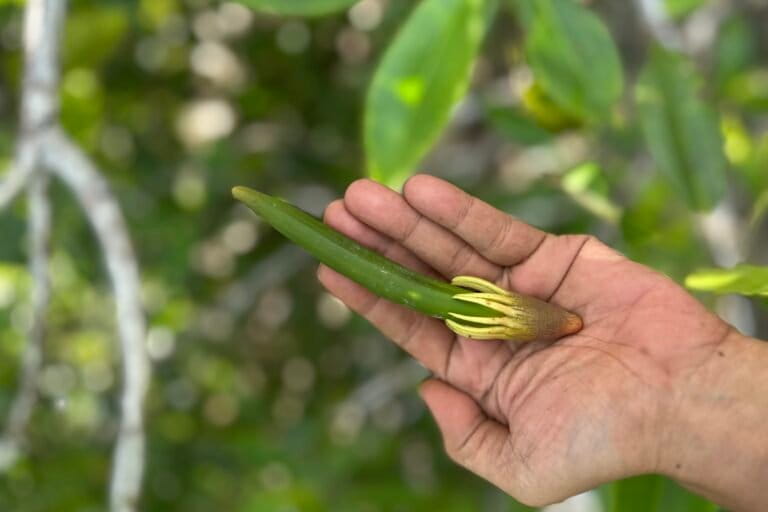
In Indonesia's coastal areas, particularly in Friwen Village, Raja Ampat, West Papua, mangrove forests serve not only as natural fortresses against coastal erosion or habitats for diverse marine life, but also as a 'natural kitchen' for local communities. Within this rich ecosystem, fish, crabs, shellfish, and even fruits are nurtured, becoming a source of sustenance that supports daily life. During low tide, residents gather shellfish among the mangrove roots. Mud crabs are a high-value catch, and many fish species utilize this area as a spawning ground, feeding area, and nursery before venturing into the open sea. It is for these reasons that the health of the mangrove ecosystem is directly linked to the abundance of catches. However, a less-known food source from mangroves is the fruit known locally as 'aibon,' derived from the Bruguiera genus of mangroves. This fruit was once an important food source for the people of the Raja Ampat coast. Elders recount that flour made from this fruit was valued as a travel provision due to its excellent storability. Yet, with changing consumption patterns and the influx of food from outside, this tradition has gradually faded, with only a few people now mastering its preparation. Preparing mangrove fruits requires patience. The 'aibon' fruit cannot be eaten directly as it contains tannins, making it bitter. After harvesting, the fruit's skin is peeled, and it is boiled to reduce tannin content. Subsequently, the fruit is pounded into a flour. This article was originally published on Mongabay
多角的分析
マングローブの果実から作られる粉末は、保存性の高さからかつては重要な携帯食料であった。これは、現代の加工食品や保存技術が普及する以前の、地域資源を最大限に活用した経済活動の一形態と言える。現代において、この伝統的な食料源の復活は、新たな特産品開発や観光資源としての可能性を秘めている。しかし、その加工には手間と知識が必要であり、経済的採算性を確保するためには、効率的な加工技術の開発や、市場開拓が不可欠となる。
マングローブの果実由来の食品は、ニッチな市場ではあるが、健康志向やオーガニック製品への関心の高まりを背景に、潜在的な投資機会となりうる。特に、持続可能な調達とユニークなストーリーを持つ製品は、付加価値を高める。しかし、小規模な地域コミュニティの生産能力や、品質管理、サプライチェーンの構築といった課題を克服する必要があり、投資家はこれらのリスクを慎重に評価する必要がある。ラジャアンパットのような観光地においては、土産物としての需要も見込める。
フリウェン村におけるマングローブの果実の伝統的な利用法の衰退は、現代化の波が地域社会の食文化や伝統知識に与える影響を示唆している。アイボン果実の調理法を知る人が少なくなっている現状は、世代間の知識伝承の断絶という社会的な課題を浮き彫りにする。この伝統の継承は、単なる食文化の維持にとどまらず、地域固有のアイデンティティの保持や、マングローブ生態系への理解を深める上でも重要である。地域住民の生活実感としては、手間のかかる伝統食よりも、容易に入手できる現代の食品への移行が進んでいると考えられる。
フリウェン村の住民にとって、マングローブは生活に密着した資源である。魚やカニは日々の食卓を支える貴重なタンパク源であり、その豊かさはマングローブの健康状態に直接依存する。一方で、アイボン果実のような伝統的な食料源は、手間がかかるため、現代の生活スタイルにおいては優先度が低くなっている可能性がある。しかし、この果実が持つ保存性や栄養価といった特性は、災害時や食料供給が不安定な状況下では、再び価値を見出すかもしれない。地域住民の生活実感としては、マングローブの保全と、そこから得られる恵みをいかに持続的に、かつ生活の利便性を損なわずに享受できるかが問われている。
背景・歴史的文脈
インドネシアの沿岸部、特に島嶼部では、古来よりマングローブ林が豊かな食料源を提供してきた。魚介類に加え、一部の地域ではマングローブの果実や根が食用や薬用として利用されてきた。ラジャアンパットのフリウェン村におけるアイボン果実の利用は、その一例である。この伝統は、外部からの食料供給が容易でなかった時代には、地域社会の食料安全保障に不可欠な役割を果たしていた。しかし、20世紀後半以降の経済発展とグローバル化の進展に伴い、食生活が変化し、加工食品や輸入食品への依存度が高まるにつれて、こうした伝統的な食文化は徐々に衰退する傾向にある。
原文ソース
Mongabay Indonesia