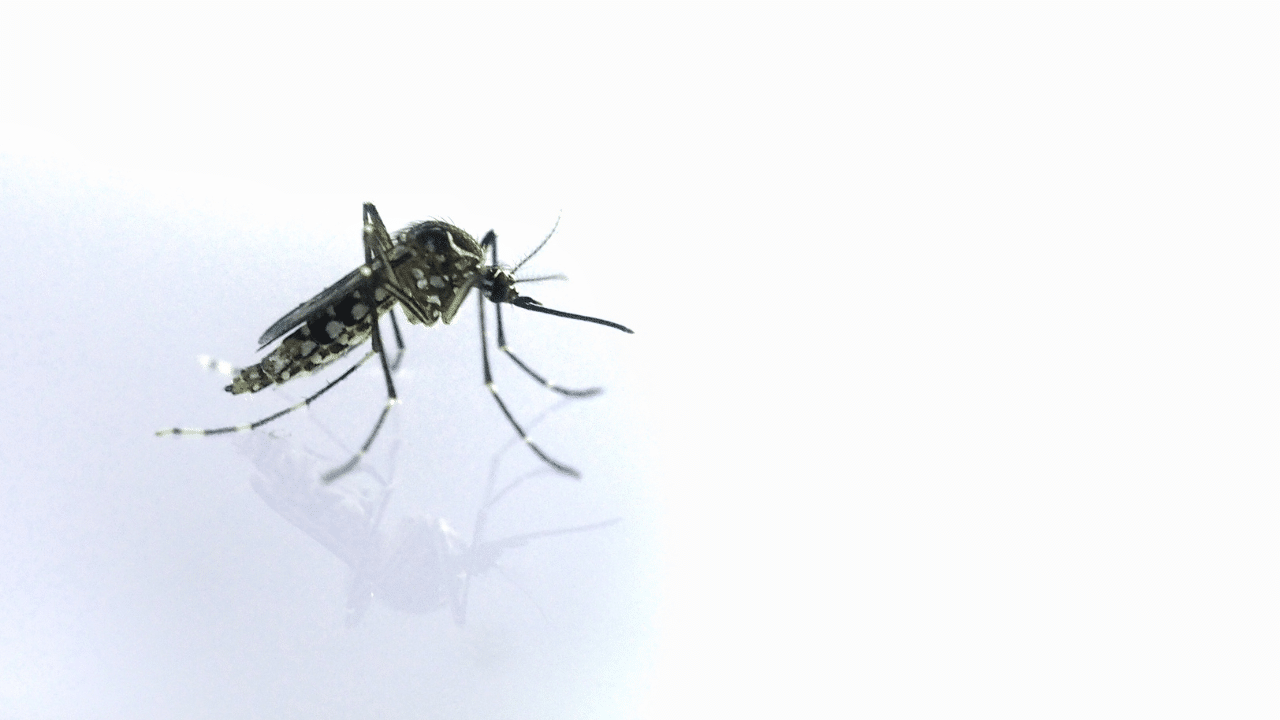
Imus City steps up anti-dengue drive amid over 250 reported cases
Imus City in Cavite has recorded 259 dengue cases, prompting the local government to intensify its program to eliminate mosquito breeding sites and curb the spread of the disease. Residents are urged to participate in daily clean-up activities.
The Imus City government in Cavite has recorded 259 dengue cases, prompting the intensification of its program to eliminate mosquito breeding sites and help curb the spread of the disease. According to a report posted on the city’s official Facebook page on Wednesday, Imus had tallied 180 confirmed dengue cases, 42 probable cases, and 37 suspected cases. The latest figures showed a slight decline from the 263 cases reported on July 1, which included 180 confirmed, 44 probable, and 39 suspected cases. Dengue is caused by a virus transmitted through the bite of infected Aedes mosquitoes. Common symptoms include high fever, severe headache, pain behind the eyes, muscle and joint pain, nausea, vomiting, fatigue, and skin rashes. Severe cases may lead to life-threatening complications, including persistent vomiting, severe abdominal pain, bleeding, blood in bodily excretions, and breathing difficulties. Health authorities stress that early diagnosis and prompt treatment are critical in preventing serious complications and deaths. Through regular advisories on social media, the City Disaster Risk Reduction and Management Office (CDRRMO) has been encouraging residents to make mosquito control a daily habit. “Be part of the fight against dengue. Clean your surroundings every day at 4 p.m. Remove potential mosquito breeding sites in your yard and nearby areas,” the CDRRMO said in Filipino. Under the campaign, residents are encouraged to conduct daily “search-and-destroy” activities at 4 p.m. by inspecting their homes and surroundings for stagnant water where dengue-carrying mosquitoes breed. Authorities said the late afternoon also coincides with one of the periods when Aedes mosquitoes are most active. The Department of Health (DOH) has been promoting the “4 o’clock habit” since 2013 as part of its nationwide dengue prevention campaign, particularly during the rainy season when mosquito populations typically increase. Source: Inquirer NewsInfo
多角的分析
デング熱の流行は、医療費の増加や労働生産性の低下を通じて、地域経済に間接的な影響を与える。特に、感染者が増加すると、医療機関への負担が増大し、個人や公的医療制度の支出が増加する。また、感染による休業や生産活動の停止は、経済活動の停滞を招く可能性がある。イムス市のような地方都市では、これらの影響がより顕著に現れることが考えられる。
デング熱のような公衆衛生上の問題は、直接的な投資リスクとはなりにくいが、感染拡大が深刻化し、広範囲に影響が及ぶ場合、地域経済の不確実性を高める要因となり得る。これにより、短期的な消費の落ち込みや、インフラ投資への懸念が生じる可能性がある。しかし、今回のケースは特定の市に限定されており、広範な投資環境への影響は限定的と見られる。
イムス市では、デング熱の感染者増加により、市民の健康への不安が増大している。特に、子供や高齢者など、抵抗力の弱い人々への感染リスクが高まることが懸念される。市当局が推奨する「4時習慣」のような、市民参加型の清掃活動は、公衆衛生意識の向上に貢献する一方で、継続的な実施には住民の協力が不可欠である。また、停滞水の除去は、単にデング熱対策だけでなく、他の感染症予防にもつながる。
イムス市では、デング熱の感染者増加により、市民は日々の生活において蚊に刺されることへの不安を感じている。特に、子供を持つ家庭では、学校や遊び場での感染リスクを懸念し、家庭での対策を強化している。市が推奨する「4時習慣」は、日々の生活に取り入れることで、感染リスクを低減できるという期待がある一方で、忙しい日常生活の中で継続することへの負担感も存在する。また、近隣での感染者の発生は、地域全体の衛生環境への関心を高めている。
背景・歴史的文脈
デング熱は、フィリピンにおいて長年、公衆衛生上の重要な課題であり続けている。特に雨季には蚊の繁殖が活発化し、感染者数が増加する傾向にある。2019年には、フィリピン全土で10万人以上の感染者が報告され、非常事態宣言が発令されたこともある。これを受け、保健省は「4時習慣」のような市民参加型の予防策を推進してきた。イムス市における今回の感染者数増加は、こうした背景を踏まえ、地方自治体が地域の実情に合わせて対策を強化する必要性を示唆している。
原文ソース
Inquirer NewsInfo