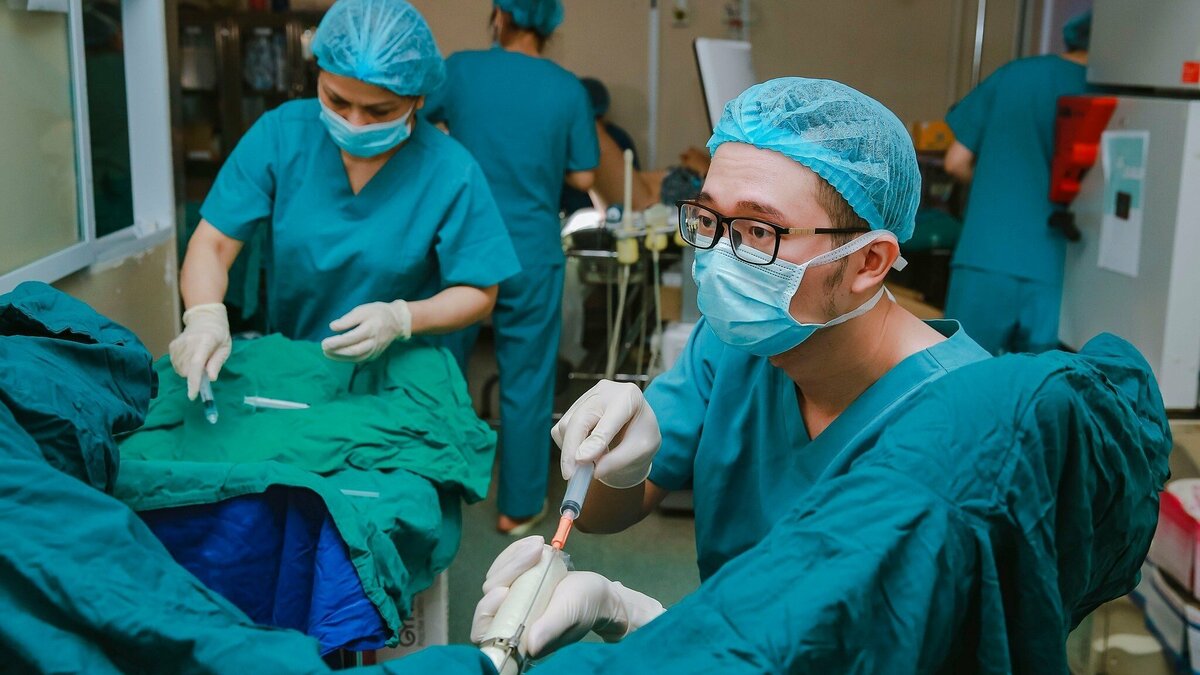
The Reality of Late Marriage and Late Childbearing: Risks and Hopes of Advanced Maternal Age
Technology
2026年7月17日
5
VnExpress
Relations
🇻🇳Vietnam🇹🇭Thailand

The Reality of Late Marriage and Late Childbearing: Risks and Hopes of Advanced Maternal Age

AI サマリー

Vietnam is experiencing a trend of late marriage and late childbearing, making the risks of advanced maternal age increasingly apparent. While economic stability is sought, health risks for both mother and child are escalating, and the success rates of infertility treatments are declining. Nevertheless, the earnest desires of couples wishing for children and the dilemmas faced by the medical field are depicted.

The trend of late marriage and late childbearing is becoming increasingly prominent in Vietnam, driven by socio-economic changes and women's increased participation in the workforce. However, this trend significantly elevates the risks associated with pregnancy and childbirth for both mother and child. The article highlights cases of couples in their late 40s and 50s who are seeking to have children. These couples often pursue pregnancy and childbirth at an advanced age after experiencing past tragedies, such as losing children in accidents, or after years of infertility treatments. However, pregnancy at this age is associated with a decline in egg quality and an increased likelihood of health complications, including hypertension, preeclampsia, and gestational diabetes. Statistically, the chances of miscarriage and congenital abnormalities or neurodevelopmental delays in the fetus also rise. For instance, the probability of a child born to a mother over 45 having Down syndrome is reportedly about 60 times higher compared to a 25-year-old mother. The rate of Cesarean sections also increases with maternal age. Medical professionals often explain these risks thoroughly and advise couples to reconsider. Nevertheless, for couples with a strong desire for children, efforts are made to provide the best possible support. Infertility treatments, particularly in vitro fertilization (IVF), have lower success rates with advancing maternal age, leading to greater financial and emotional burdens. While the article mentions a successful birth for a woman in her 50s, it also suggests that many couples face harsh realities. In Vietnam, approximately 3.1% of children under 17 have disabilities, with congenital factors accounting for 55-65% of these cases. Parental age, especially mothers over 35 and fathers over 45, is cited as a risk factor for congenital disabilities in children. Reports also indicate instances where couples have fallen victim to dubious online information or unlicensed medical facilities, leading to significant financial loss and health detriments. Experts emphasize that childbirth should be predicated on the safety of both mother and child, recommending that women complete childbearing before the age of 35. They also stress the importance of contraception even during the perimenopausal period and the need for strict screening and close monitoring by experienced obstetricians once pregnancy is confirmed. The underlying reasons for delayed childbearing include societal pressure to achieve economic stability and the need to balance career development. However, experts urge individuals to prioritize their health and the well-being of their children, making decisions based on scientific evidence.

多角的分析

経済的影響

ベトナムにおける晩婚・晩産化は、経済成長と女性の社会進出というマクロ経済的要因と密接に関連しています。経済的な基盤を築き、キャリアを確立してから出産を考えるカップルが増加する一方で、高齢出産に伴う医療費の増加は、個々の家計にとって大きな経済的負担となります。特に、不妊治療や合併症が発生した場合の追加費用は、家計を圧迫する可能性があります。また、将来的な労働力人口の減少や、高齢化社会における社会保障費の増大といった、より広範な経済的影響も考慮する必要があります。

投資家心理

高齢出産のリスク増加は、医療・ヘルスケア産業への投資機会を創出する可能性があります。特に、不妊治療、出生前診断、周産期医療、新生児集中治療室(NICU)などの分野での需要増加が予想されます。また、高齢出産に関連するリスク管理保険や、育児支援サービスを提供する企業への投資も注目されるかもしれません。しかし、ベトナムにおける医療インフラの整備状況や、規制環境を慎重に評価する必要があります。

社会的影響

晩婚・晩産化は、伝統的な家族観や子育てのあり方に変化をもたらしています。子供を失った経験を持つ夫婦が、年齢に関わらず子供を望む切実な思いは、社会的な支援の必要性を示唆しています。一方で、高齢出産に伴う母子の健康リスクは、公衆衛生上の課題として浮上しています。不確かな情報に惑わされる人々がいる現状は、正確な医療情報へのアクセス改善や、信頼できる医療機関の普及が求められていることを示しています。また、子育て世代の負担軽減策や、多様な家族のあり方を尊重する社会的な機運の醸成も重要です。

市民の声

ベトナムの多くの市民、特に都市部で働く女性たちは、経済的な安定を優先するために結婚や出産を遅らせる傾向にあります。記事で紹介されているような、子供を失った経験を持つ高齢の夫婦が、リスクを承知で再び子供を望む姿は、多くの人々の共感を呼ぶでしょう。しかし、高齢出産は、母体の健康リスクだけでなく、経済的な負担、そして子供の将来への影響も伴います。市民は、自身の健康状態や経済状況を考慮し、科学的根拠に基づいた決断を下すことの重要性を認識する必要があります。

背景・歴史的文脈

ベトナムにおける晩婚・晩産化は、1986年のドイモイ(刷新)政策以降の経済自由化と社会構造の変化に起因します。経済成長に伴い、教育水準の向上、特に女性の高等教育への進学率の上昇、そしてキャリア形成を重視する価値観が広まりました。これにより、結婚年齢が上昇し、それに伴って出産年齢も遅くなる傾向が強まりました。また、都市部への人口集中や、核家族化の進行も、子供を産むタイミングや家族計画に影響を与えています。これらの背景から、高齢出産に伴う医学的・社会的な課題が、ベトナム社会において無視できない問題として浮上しています。

原文ソース

VnExpress

原文を読む