General articles are free for 24 hours after publish.
Vietnam to Establish Inter-Regional Construction Material Coordination Mechanism by September
Vietnam's government aims to establish an inter-regional construction material coordination mechanism by September to prevent delays in key projects, addressing localized shortages and ensuring smoother project progression.
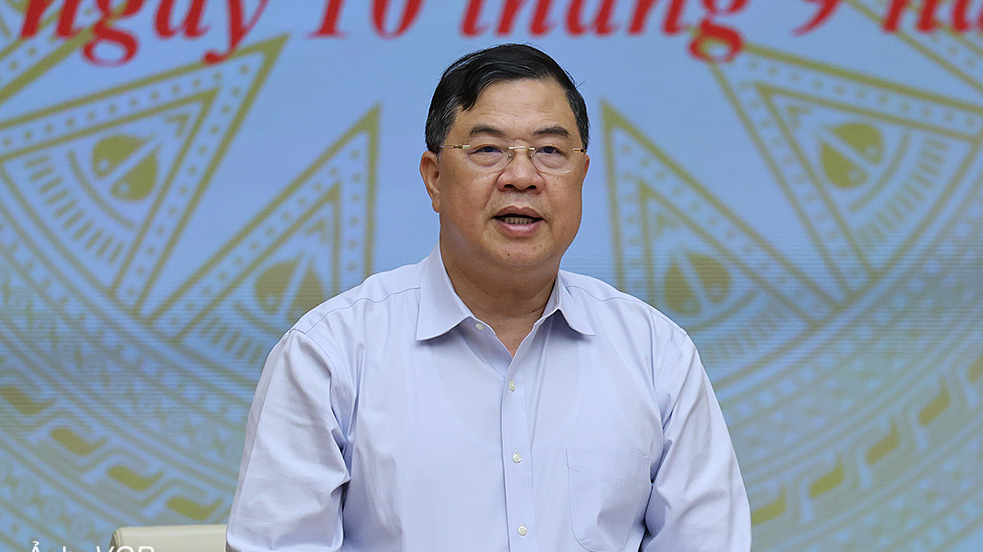
Vietnam's government is directing the establishment of an inter-regional coordination mechanism for construction materials by September to address localized shortages that could hinder the progress of key infrastructure projects. At a September 10 meeting, Standing Deputy Prime Minister Pham Gia Tuc emphasized the need for the rapid finalization of this mechanism, calling for accurate assessments of supply and demand and the completion of the mining mechanism for mineral resources used as common construction materials. The Deputy Prime Minister stated that the inter-regional coordination mechanism, once finalized within September, would help overcome localized material shortages. For mineral resources decentralized to local authorities, provinces and cities are urged to proactively mine and supply them, as well as promptly announce prices and construction norms. The Ministry of Construction will guide the calculation of material prices at mines according to new regulations. Localities with key projects passing through must coordinate on licensing, planning, and mineral resource coordination to balance supply and demand, thereby preventing delays caused by material scarcity. The promotion of the development and use of alternative materials is also encouraged to diversify supply sources. During the meeting, the Vietnam Association of Construction Contractors reported that while the acceleration of public investment and numerous large infrastructure projects has created jobs for the construction sector, businesses still face difficulties regarding input costs and project implementation mechanisms. The association proposed the completion of the mechanism and research into coordinating material sources based on actual demand. They also suggested simplifying procedures related to waste disposal sites, excavated soil, and conditions for construction to reduce time and costs and avoid impacting project timelines. Beyond materials, contractors pointed out that systems for norms, unit prices, and construction costs have not kept pace with fluctuations in input prices and labor. Businesses hope for regular updates on data regarding material prices, labor, and machinery, especially for new technologies and specialized projects. The shortage of construction labor was also raised as an issue, with labor costs in project estimates for some projects not reflecting reality. The association proposed strengthening the link between training institutions and businesses, along with solutions to supplement labor in deficit areas. Deputy Prime Minister Pham Gia Tuc instructed ministries and sectors to process enterprises' recommendations with clear responsibilities and results. Responses should go beyond mere legal citations; for issues related to mechanisms, policies, or exceeding authority, managing agencies must proactively propose solutions and report them to competent authorities for consideration. He also urged construction enterprises to enhance their project management capacity, increase the application of technology in construction, and strengthen cooperation to be capable of participating in national key and large-scale projects. The Deputy Prime Minister cautioned contractors against unhealthy competition, particularly price dumping to win bids at all costs.
Original source
VnExpress