Ho Chi Minh City Parents Baffled by School Assignments Far From Home
Parents in Ho Chi Minh City are confused as their children are assigned to schools nearly 10km away, despite living only 1.5km from their preferred institutions. City officials cite priority for residents and the need to manage overcrowded student numbers in certain areas.
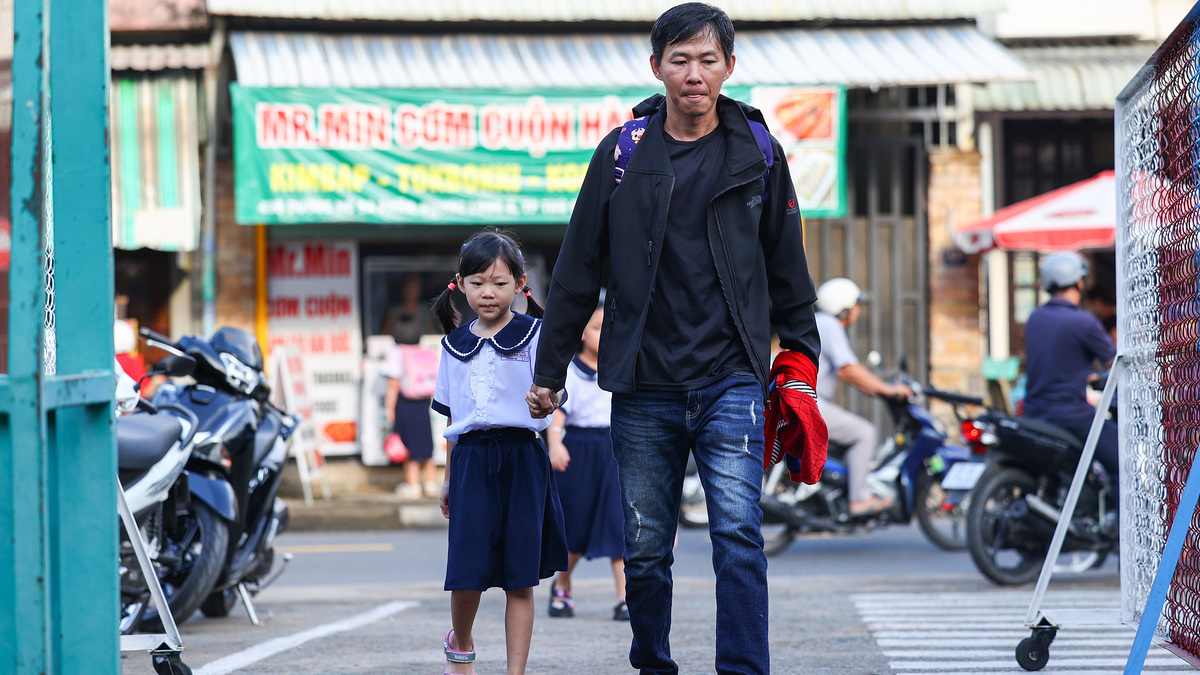
In Ho Chi Minh City, many parents are experiencing confusion and anxiety as significant disparities arise between their preferred schools and the actual assignments for their children. One reported case involves a child assigned to Lai Hưng Primary School, approximately 10km away, despite the family living only 1.5km from Lương Thế Vinh Primary School, which they had applied to. Parents seeking admission based on their residential areas are now facing the prospect of their children commuting long distances. Parents working as công nhân (laborers) expressed concerns about the difficulty of long commutes and the toll it would take on their children. One parent questioned why their child was assigned to THCS Bình Hưng Hòa Secondary School, 7km away, instead of the closer THCS Tân Tạo Secondary School. The Chairperson of the People's Committee of Bến Cát ward explained that the district's primary schools are overcrowded, necessitating prioritization of long-term residents. Those who have recently relocated are placed later, leading to assignments in more distant schools. Class sizes have reached approximately 50 students, making further admissions impossible. The Deputy Director of the Department of Education and Training acknowledged the issue of distant school assignments and instructed local authorities to provide support and adjustments based on actual conditions and school capacities. He also pointed out that some cases might stem from parents not accurately filling out residency information, and that assignments to slightly farther schools are sometimes made to balance student numbers between institutions. This policy aims to balance providing students with learning opportunities near their homes and ensuring schools meet their enrollment targets. This year, Ho Chi Minh City expects over 197,500 children to enter Grade 1 and 185,700 to enter Grade 6, a slight decrease compared to last year.
多角的分析
ベトナムの急速な都市化と人口増加は、特にホーチミン市のような大都市圏において、教育インフラへの深刻な圧力を生じさせている。公立学校の定員不足は、教育の質と機会均等への懸念を引き起こし、保護者には経済的・時間的な負担を強いる。これは、教育へのアクセスが依然として社会経済的地位に左右される可能性を示唆している。
教育インフラへの投資不足は、長期的に見れば労働力の質に影響を与え、経済成長の潜在力を損なう可能性がある。保護者の教育への不安は、教育関連サービスへの支出増加につながる可能性もあるが、根本的な解決には公的投資の拡大が不可欠である。
今回の件は、都市部における居住区と学校のミスマッチという、ベトナムの社会が直面する課題を浮き彫りにしている。特に、低所得層の công nhân(労働者)家庭にとって、子供の通学距離の増加は、経済的負担だけでなく、家族の生活リズム全体に影響を与える。これは、都市開発における公平な教育機会の確保という、公共の課題として提起されている。
ホーチミン市では、多くの保護者が、子供の入学希望校と実際の配属校との間に大きな距離があることに不満を漏らしている。特に、共働きで忙しい công nhân(労働者)家庭にとっては、10km以上の通学は送迎の負担が大きく、子供への影響も懸念される。当局は、住民の理解を求めているが、現場の保護者からは、より実効性のある解決策が求められている。
背景・歴史的文脈
ベトナムでは、1986年のĐổi Mới(ドイモイ)政策以降、経済成長と都市化が急速に進展し、特にホーチミン市のような大都市圏への人口集中が顕著である。この結果、公立学校の入学希望者が急増し、多くの地域で学校の収容能力を超えている。政府は、居住区に基づいた学区制を基本としているが、人口密度が高い地域では、定員超過を防ぐために、希望者の中から抽選や、居住期間、あるいは近隣の学校への振り分けといった手段が取られている。特に、近年転入してきた住民や、居住期間が短い世帯の子供が、遠方の学校に配属されるケースが増加しており、保護者からの不満の声が高まっている。
原文ソース
VnExpress