Over 20,000 Displaced Remain Unable to Return Home After Border Tensions: Cambodian Interior Ministry
Politics
2026年7月13日
4
Kampuchea Thmey English
Relations
🇰🇭Cambodia🇹🇭Thailand

Over 20,000 Displaced Remain Unable to Return Home After Border Tensions: Cambodian Interior Ministry

AI サマリー

Cambodia's Ministry of Interior reported on Monday that 20,423 out of over 640,000 people displaced by border tensions with Thailand remain unable to return home, highlighting ongoing humanitarian impacts and closed public facilities in affected zones.

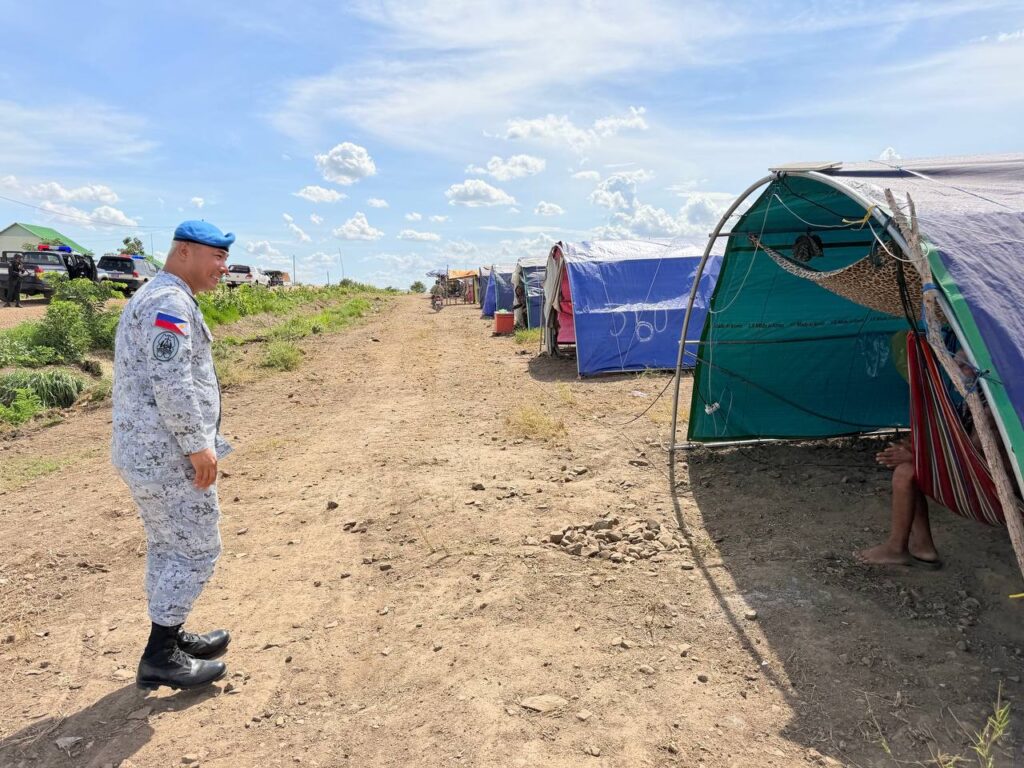
PHNOM PENH, July 13, 2026 (KPT) – More than 20,000 people displaced by border tensions with Thailand remain unable to return home, Cambodia’s Ministry of Interior said Monday, underscoring the lingering humanitarian impact of the conflict. In a statement covering July 11–12, the ministry said 417 displaced people had returned during that period. Out of more than 640,000 displaced in total, 20,423 people – including over 10,000 women and 6,000 children – remain unable to go back because their villages are still affected by the situation along the frontier. Authorities said several public facilities remain closed: eight schools and five hospitals in Oddar Meanchey province, five schools and one hospital in Banteay Meanchey, and seven schools and two hospitals in Preah Vihear. No new damage to property was reported beyond incidents already documented. The ministry welcomed a resolution adopted by the Parliamentary Assembly of La Francophonie (APF) during its plenary session in Yaoundé, Cameroon. The resolution called for respect for Cambodia’s sovereignty and territorial integrity, urged restraint by all parties, and supported implementation of the ceasefire agreement signed by the two prime ministers in Kuala Lumpur in October 2025. It also expressed concern over continued tensions in disputed areas, citing infrastructure construction and land allocation initiatives, and highlighted civilian suffering and damage to cultural heritage. The resolution urged an immediate reduction in tensions, withdrawal of armed forces from disputed zones, and use of bilateral mechanisms such as the Joint Boundary Commission to resolve disputes through dialogue and international law.

多角的分析

経済的影響

国境紛争による避難民の発生は、当該地域の経済活動に直接的な打撃を与えています。農地へのアクセス制限、サプライチェーンの寸断、そしてインフラの損傷は、地域経済の停滞を招く可能性があります。また、公共施設の閉鎖は、医療や教育といった基礎的なサービスへのアクセスを阻害し、長期的な人的資本の育成にも影響を与えかねません。これは、カンボジア全体の経済成長ポテンシャルを低下させる要因となり得ます。政府は、復興支援と経済活動の再開に向けた具体的な対策を迅速に講じる必要があります。

投資家心理

タイとの国境地帯における緊張とそれに伴う避難民の発生は、カンボジアへの投資環境に不確実性をもたらします。特に、紛争地域に近いインフラ開発プロジェクトや、国境貿易に依存する産業への投資は、リスク要因として評価されるでしょう。投資家は、紛争の長期化や再発のリスクを考慮し、より安全な地域への投資を検討する可能性があります。APF決議のような国際的な支持はポジティブな要素ですが、実質的な緊張緩和と安定化が投資家心理の改善には不可欠です。

社会的影響

国境紛争により、オダール・メンチェイ、バンテアイ・メアンチェイ、プレア・ヴィヒアといった北部および北西部地域に住む数万人の住民が、自宅やコミュニティから避難を強いられています。学校や病院といった生活に不可欠な公共施設の閉鎖は、子供たちの教育機会の喪失や、病気や怪我に対する医療アクセスの困難さを引き起こしています。特に、1万人以上の女性と6千人以上の子供が帰還できない状況は、脆弱な立場にある人々への影響の大きさを物語っており、彼らの生活再建と心理的なケアが喫緊の課題となっています。

市民の声

国境地帯で暮らす多くのカンボジア市民は、紛争によって故郷を追われ、避難生活を余儀なくされています。家屋や農地が被害を受けたり、安全が確保されなかったりするために、いつ帰れるかも分からない状況が続いています。学校や病院が閉鎖されているため、子供たちは教育を受けられず、病気になっても適切な医療を受けられないという不安を抱えています。こうした状況は、市民の生活基盤を揺るがし、将来への希望を奪うものです。APFの決議は歓迎されるものの、現場の市民にとっては、具体的な帰還支援と生活再建策が求められています。

背景・歴史的文脈

カンボジアとタイの国境紛争は、過去にも断続的に発生しており、特に2008年のプレア・ヴィヒア寺院周辺での武力衝突は記憶に新しい。これらの紛争は、長年にわたる国境線の未確定部分や、歴史的・民族的な対立が根底にあるとされる。2025年10月に両国首相が停戦合意に署名したものの、係争地域におけるインフラ建設や土地割り当てといった動きが緊張を再燃させており、今回の避難民発生はその影響を直接的に示している。APF決議は、国際社会がカンボジアの領土保全を支持する姿勢を示すものだが、紛争の根本的な解決には至っていない。

原文ソース

Kampuchea Thmey English

原文を読む