一般記事は公開から24時間、無料で閲覧できます。
教育省、3750万ペソの現金引き出しに元銀行支店長が「異例」と証言
フィリピン教育省が、サラ・ドゥテルテ副大統領兼教育大臣の指揮下にあった時期に、ランドバンクから3750万ペソを現金で引き出した件について、元銀行支店長が「異例」と証言した。この引き出しは、通常の手続きとは異なると指摘されている。
フィリピン教育省(DepEd)が、サラ・ドゥテルテ副大統領兼教育大臣の指揮下にあった時期に、ランドバンク・オブ・ザ・フィリピンから総額3750万ペソ(約1億円)を現金で引き出していた件について、元ランドバンクの支店長が「異例」であるとの見解を示した。
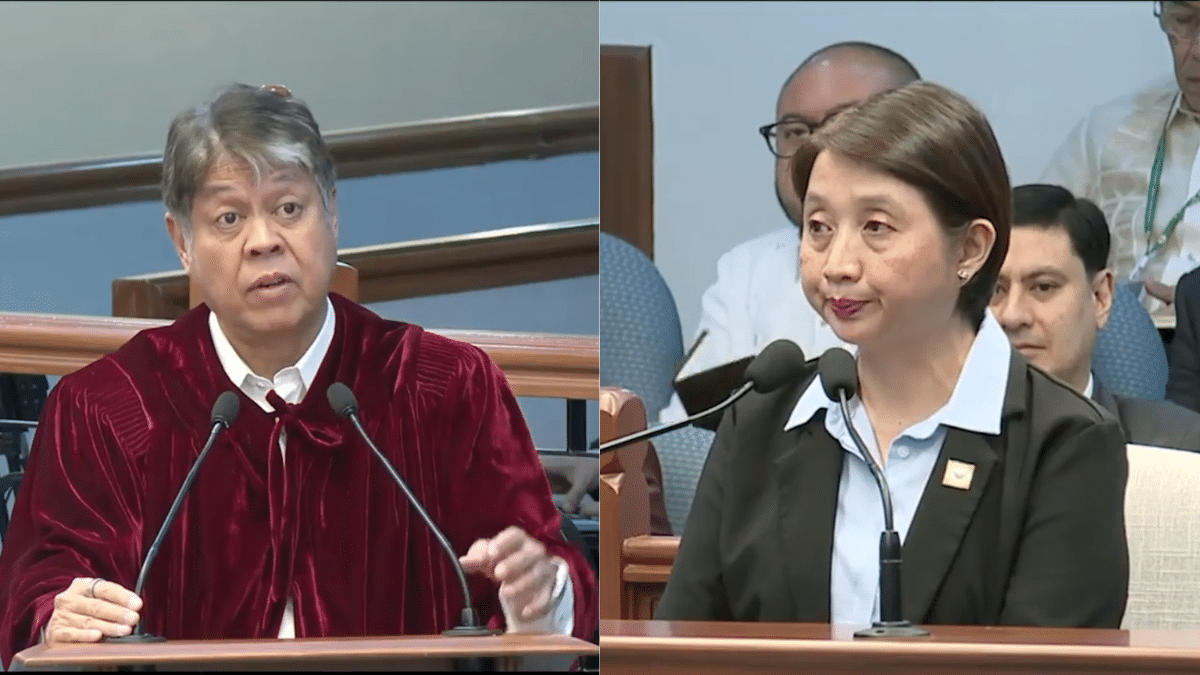
証言したのは、元ランドバンクの支店長であるネニタ・カンポサノ氏。同氏は、教育省によるこれらの大規模な現金引き出しが、通常行われる銀行取引の手続きや慣行から逸脱していると指摘した。一般的に、公的機関による多額の資金移動は、小切手や電子送金など、より安全で追跡可能な方法で行われることが多い。現金での引き出しは、その管理の難しさや不正リスクの観点から、特別な理由がない限り避けられる傾向にある。
この件は、教育省の資金管理の透明性や、公金の使途に関する疑問を提起している。特に、副大統領が教育大臣を兼務する体制下での出来事であり、政治的な監視の目も集まっている。フィリピンでは、公的資金の管理における透明性と説明責任が常に重要な課題となっており、今回の証言は、その議論をさらに深めるものとなるだろう。
フィリピンの政治情勢において、公的資金の不透明な動きは、しばしば国民の不信感を招く要因となる。特に教育省のような、将来を担う子供たちのための予算を扱う組織においては、厳格な管理が求められる。今回の現金引き出しの具体的な目的や経緯については、さらなる調査と説明が待たれる。
情報源: Inquirer NewsInfo
多角的分析
P37.5 million in cash withdrawals by a government agency like DepEd, especially when it deviates from standard electronic or check-based transactions, can indicate several economic factors. It might suggest a need for immediate, untraceable liquidity for certain projects or operations, or potentially a less transparent method of fund dispersal. From an economic policy perspective, such practices can undermine efforts to digitize government transactions and improve financial oversight, potentially leading to greater risks of corruption and diversion of funds, which ultimately impacts the efficient allocation of public resources for education.
For investors, news of unusual cash withdrawals by a government department like DepEd can be a red flag. It raises concerns about governance, transparency, and potential financial irregularities within the public sector. While this specific event might not directly impact listed companies immediately, it contributes to a broader perception of risk associated with operating in an environment where public funds are not managed with utmost transparency. This can indirectly affect investor confidence, particularly for foreign investors who rely heavily on clear governance structures and predictable regulatory environments. It may prompt a more cautious approach to investments in sectors heavily reliant on government contracts or funding.
The 'unusual' P37.5 million cash withdrawal by the Department of Education directly impacts the Filipino public, particularly students and educators. If public funds intended for educational resources, infrastructure, or teacher salaries are handled in non-transparent ways, it can lead to a deficit in essential services. For instance, parents in rural areas might face overcrowded classrooms or a lack of learning materials if funds are mismanaged. Teachers could experience delays in receiving benefits or salary increases. The public's trust in government institutions, especially those responsible for shaping the future generation, erodes when such financial practices come to light, fostering a sense of disillusionment and demanding greater accountability.
This news highlights a critical issue of public trust and accountability. For citizens, especially those relying on public education, the P37.5 million cash withdrawal is concerning. It raises questions about how their taxes are being used and whether funds are reaching their intended beneficiaries – students and schools. The fact that a former bank manager flagged it as 'unusual' suggests a potential deviation from established norms. This prompts citizens to question the integrity of financial management within the Department of Education and to demand clearer explanations and stronger oversight mechanisms to prevent potential misuse of funds that should be directed towards improving the quality of education across the Philippines.
AI Expert Roundtable
AI 専門家による深層討論会
※ この議論は記事内容に基づき AI エージェントによって自動生成されたシミュレーションです
背景・歴史的文脈
フィリピンでは、過去にも政府機関における公金不正流用や汚職事件が度々問題視されてきました。特に、大規模な予算を持つ教育省や公共事業省などは、常に国民の監視下に置かれています。2013年には、議員が不正に政党交付金(PDAF)を流用した「PDAFスキャンダル」が大きな社会問題となり、公金管理の透明性向上を求める声が高まりました。今回の教育省による現金引き出しは、こうした過去の教訓を踏まえ、より厳格な監視と説明責任が求められるべき状況下で発生しており、国民の不信感を招く一因となっています。
原文ソース
Inquirer NewsInfo