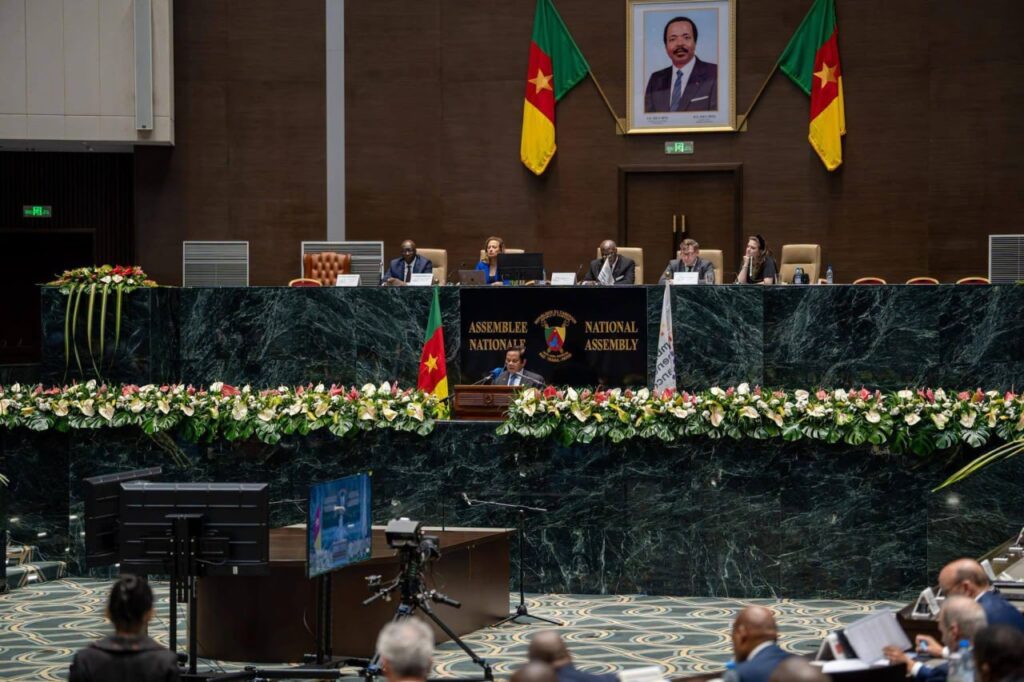
APF Draft Resolution Backs Cambodia's Sovereignty, Urges Border Talks with Thailand
The Parliamentary Assembly of the Francophonie (APF) has adopted a draft resolution reaffirming support for Cambodia's sovereignty and territorial integrity, urging renewed dialogue to resolve its border dispute with Thailand and calling for de-escalation and adherence to international law.
The Parliamentary Assembly of the Francophonie (APF) has reaffirmed support for Cambodia’s sovereignty and territorial integrity in a draft resolution that calls for renewed dialogue to resolve the country’s border dispute with Thailand. The text, debated at the APF’s session in Yaoundé on July 10–11, cites the Bamako and Saint‑Boniface Declarations, the UN Charter, international humanitarian law, UNESCO conventions and International Court of Justice rulings on the Temple of Preah Vihear. It notes persistent tensions since July 2025, including loss of life, civilian displacement, ceasefire violations and damage to cultural and religious sites, some listed as UNESCO World Heritage. The draft urges respect for Cambodia’s sovereignty and warns against unilateral actions that could heighten tensions. The assembly calls for strict compliance with the ceasefire and implementation of peace accords signed in Kuala Lumpur on October 26, 2025. It voices concern over reported Thai activities in disputed areas, including construction of infrastructure, religious ceremonies and land allocation. The resolution condemns harm to civilians and cultural heritage, stressing that such sites form part of humanity’s shared legacy. It warns their destruction could undermine peace and reconciliation efforts. The APF urges de‑escalation, withdrawal of armed forces from contested zones and the resumption of talks through bilateral mechanisms, notably the Joint Boundary Commission, in line with international law. It also calls for normalisation of Cambodia–Thailand relations based on mutual respect for sovereignty, territorial integrity and the inviolability of borders.
多角的分析
国境紛争は、両国間の貿易や投資の流れに直接的な影響を与える可能性がある。特に、係争地域周辺でのインフラ建設や土地利用に関するタイの活動は、カンボジア経済にとって潜在的な機会損失や資源の不確かな利用につながりかねない。紛争の長期化は、地域経済の安定性を損ない、サプライチェーンの混乱を招くリスクも伴う。APFの決議は、外交的解決を促すことで、経済活動の安定化に寄与する可能性を示唆している。
投資家にとって、国境紛争は政治的リスクの増大を意味する。紛争地域でのインフラ開発や土地利用に関する不確実性は、不動産投資や資源開発への投資意欲を減退させる可能性がある。また、紛争がエスカレートすれば、広範な地域経済への影響が懸念され、直接投資や証券投資からの撤退を招くことも考えられる。APFの決議は、紛争の平和的解決への道筋を示すことで、投資環境の安定化に貢献する可能性があるが、実際の状況改善には両国の具体的な行動が不可欠である。
国境紛争による住民の避難や文化遺産の破壊は、カンボジア社会に深刻な影響を与える。特に、プレア・ビヒア寺院のような世界遺産への被害は、国民のアイデンティティや歴史的遺産への誇りを傷つける。紛争地域に住む人々の生活は常に脅かされ、安全な生活環境が奪われる。APFの決議は、民間人や文化遺産保護の重要性を強調しており、人道的側面からの懸念を示しているが、紛争の根本的な解決なくして、これらの問題の改善は困難である。
国境紛争は、紛争地域に住むカンボジア市民の生活に直接的な不安をもたらす。土地の所有権や安全な生活空間の喪失は、彼らの生計を脅かし、心理的な負担を増大させる。また、文化遺産への被害は、国民全体のアイデンティティや誇りに影響を与え、社会的な分断を生む可能性もある。APFの決議は、これらの市民の苦境に光を当てているが、彼らの生活再建や安全確保のためには、紛争の平和的かつ迅速な解決が不可欠である。
背景・歴史的文脈
カンボジアとタイの国境紛争は、植民地時代に引かれた境界線が不明確な箇所が多く、長年にわたり両国間で緊張の原因となってきた。特に2008年、ユネスコ世界遺産に登録されたプレア・ビヒア寺院周辺の土地の帰属を巡り、両国軍が衝突。2011年には国際司法裁判所が寺院周辺の領有権についてカンボジアの優位を認める判決を下したが、周辺地域における境界線の確定は依然として完了していない。2025年7月以降の緊張再燃は、こうした歴史的背景と、未解決の境界問題が依然として地域安定の不安定要因となっていることを示している。
原文ソース
Kampuchea Thmey English