General articles are free for 24 hours after publish.
Nickel Mining Pollution Devastates Seaweed Farmers in Southeast Sulawesi
Seaweed farming in Tinanggea, Southeast Sulawesi, once a lucrative industry, is collapsing due to nickel mining pollution. Residents face severe economic hardship as the sea turns yellow after rains, hindering seaweed growth and destroying livelihoods.
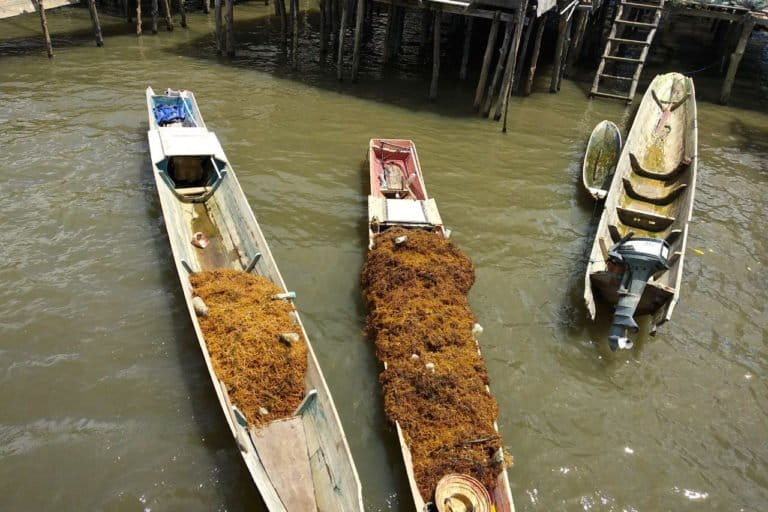
In the Tinanggea district of Konawe Selatan, Southeast Sulawesi, the seaweed farming industry, once dubbed the "dollar village," is facing a devastating collapse due to marine pollution linked to nickel mining operations. Residents are losing their livelihoods and struggling to make ends meet. La Ode Baharuddin, a former seaweed farmer, now spends his days searching for mud crabs in the mangroves of Akuni village. Years ago, his village thrived on seaweed cultivation, earning it the nickname "dollar village." Between 2014 and 2015, dried seaweed prices reached up to Rp45,000 per kilogram, bringing prosperity to many. Mardiana, a mother of six, recalls earning a net income of up to Rp40 million per harvest from her 300 seaweed ropes, enough to buy a motorcycle and a boat. However, the situation has drastically changed in the last three years. Since nickel mines began operating in the vicinity, the seawater often turns yellow after rain, preventing seaweed from growing. Baharuddin states that he has had to sell his cattle and even land to afford his three children's education. "It's been several years since the harvest (of seaweed) has been poor, after this mine appeared," he laments. Other coastal residents also complain about the presence of nickel ore storage facilities on the shoreline and the frequent passage of mining vessels. Andi Rahman, Executive Director of Walhi Southeast Sulawesi, points out that the port operations are causing sedimentation, altering seawater color, and disrupting the marine ecosystem. In contrast, the Konawe Selatan Fisheries and Marine Office presents different information, with their official data indicating that seaweed production in Tinanggea has been rising annually, from 18,644 tons in 2021 to 33,946 tons in 2025. For residents like Mardiana, these figures seem unrealistic. "If specifically... This situation highlights the severe impact of the collapse of the seaweed farming industry, a cornerstone of the local economy, on the lives of the residents. Balancing development with environmental protection and safeguarding the rights of local communities are urgent issues.
Original source
Mongabay Indonesia