Vietnam's Traditional Craft Villages Face Youth Succession Crisis
Culture
2026年7月11日
5
Nhan Dan
Relations
🇻🇳Vietnam🇹🇭Thailand

Vietnam's Traditional Craft Villages Face Youth Succession Crisis

AI サマリー

Traditional craft villages across Vietnam are facing a severe shortage of young artisans. The digital transformation and disconnect from modern life are leading to an aging workforce and a lack of successors, jeopardizing the survival of these valuable cultural heritage sites.

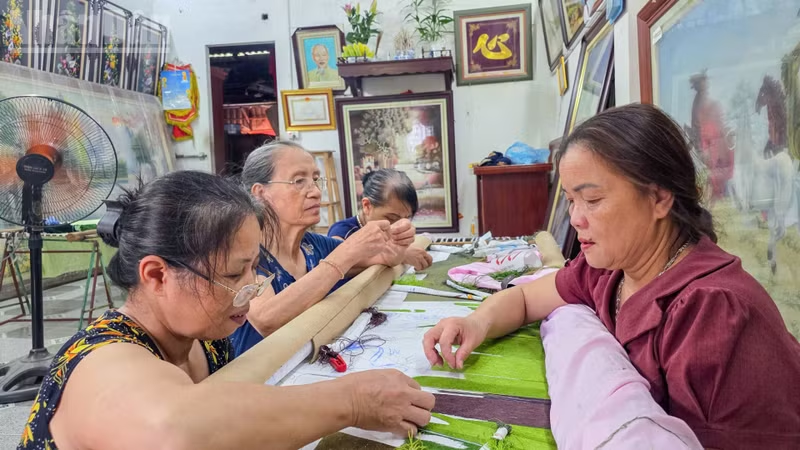
Traditional craft villages across Vietnam are confronting a pressing challenge: a severe shortage of young artisans. In an era of rapid digital transformation, the value of traditional culture is being re-evaluated and efforts are underway to preserve and promote it. However, many villages are grappling with an aging workforce and a lack of successors, necessitating innovative approaches to keep the traditional flame alive. For instance, basket weavers in Thu Si village strive to imbue each bamboo strand with the spirit of their homeland. Meanwhile, Tay Ho ward has received recognition as a traditional craft village for its expertise in preserving lotus tea. These initiatives aim to build creative bridges connecting traditional crafts with contemporary society, thereby enhancing their heritage value. Efforts are also being made to elevate product quality by linking artisans with creators, capitalizing on the digital flow. However, it is crucial to listen to the perspectives of the younger generation regarding the current state of traditional craft villages. The reality is that many villages are struggling to attract young people due to a disconnect with modern lifestyles and a lack of appeal as a viable career path. Under Vietnam's one-party communist system, the preservation of cultural heritage is considered a matter of national importance. While Vietnam continues its economic growth, there is a growing sense of crisis regarding the traditional cultures that are being lost in the process of rapid modernization. Particularly, amid strong economic ties with China, maintaining and developing unique cultural traditions is an indispensable element for establishing the nation's identity.

多角的分析

経済的影響

伝統工芸村の若手後継者不足は、ベトナム経済の多角化と持続可能性に影響を与える。これらの村は、地域経済の重要な柱であり、観光資源としても価値が高い。後継者不足が続けば、生産性の低下、品質のばらつき、さらには廃業につながり、地域経済の衰退を招く可能性がある。また、輸出産業としても潜在力を持つ工芸品の生産能力が低下すれば、国際市場での競争力にも影響を与えかねない。政府は、若者が伝統工芸に魅力を感じ、安定した収入を得られるような支援策(職業訓練、資金援助、マーケティング支援など)を強化する必要がある。

投資家心理

伝統工芸村の後継者問題は、投資家にとってリスク要因となり得る。特に、伝統工芸品を扱う企業や、それを活用した観光事業への投資を検討している場合、生産基盤の不安定さは懸念材料となる。しかし、同時に、この問題は新たな投資機会も示唆している。例えば、伝統工芸のデジタル化支援、現代的なデザインを取り入れた新商品開発、あるいは若手職人を育成・支援するプラットフォームへの投資などが考えられる。政府の文化遺産保護政策や、地方創生への取り組みを注視しつつ、リスクとリターンのバランスを見極める必要がある。

社会的影響

若手人材の不足は、ベトナムの豊かな文化遺産が次世代に継承されないという社会的な損失を意味する。伝統工芸は、単なる生産活動ではなく、地域社会のアイデンティティ、歴史、そして人々の生活様式と深く結びついている。後継者不足は、これらのコミュニティの存続そのものを脅かす。例えば、ハノイ近郊の伝統工芸村に住む若者が、より収入の高い都市部での労働を求めて村を離れるケースや、伝統的な技術やデザインが、現代の消費者のニーズに合わなくなり、市場から姿を消していくといった摩擦が生じている。この問題に対処するためには、職業訓練の機会拡充に加え、伝統工芸の現代的な価値を若者に伝え、魅力的なキャリアパスを提示することが不可欠である。

市民の声

伝統工芸村の若手後継者不足は、村に住む人々の生活実感に直接影響を与える。例えば、籠編み職人のいるテュ・シー村のような場所では、若い世代が村を離れ、都市部でより良い雇用機会を求める傾向がある。これにより、村の人口減少や高齢化が進み、地域社会の活力が失われる。また、伝統工芸品を生産する家庭では、子供たちが家業を継ぐことに消極的になり、家族間の意見の対立を生む可能性もある。蓮茶の香りを preserved するテ・ホー区のような地域でも、伝統技術を維持する担い手が減れば、その独特の文化や産業が失われる危機に瀕する。

背景・歴史的文脈

ベトナムにおける伝統工芸村の若手後継者不足は、経済発展と社会構造の変化がもたらした長年の課題である。1986年のドイモイ(刷新)政策以降、市場経済化が進み、都市部への人口流出が加速した。これにより、地方の伝統工芸村では、若者がより高収入の職を求めて都市部へ移住し、熟練職人の高齢化と後継者不在が顕著になった。近年、ベトナム政府は文化遺産の保護と活用を重視し、伝統工芸村の振興策を打ち出しているが、デジタル化の進展や現代社会のライフスタイルの変化が、伝統技術の継承をさらに困難にしている状況がある。

原文ソース

Nhan Dan

原文を読む