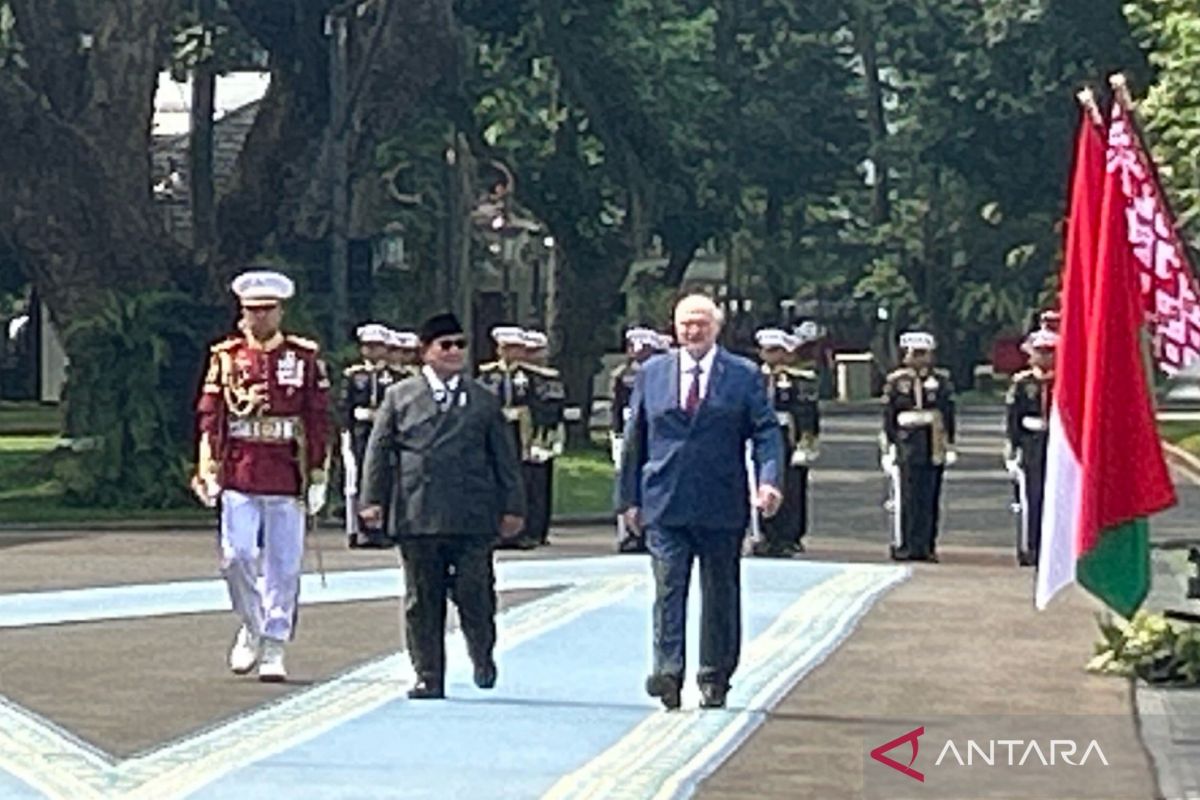
Indonesian Defense Minister Hosts Belarusian President for Strategic Talks
Indonesian Defense Minister Prabowo Subianto hosted Belarusian President Alexander Lukashenko in Jakarta for talks on strategic cooperation. Discussions reportedly focused on strengthening defense ties and economic relations between the two nations.
Indonesian Defense Minister Prabowo Subianto hosted Belarusian President Alexander Lukashenko at the Ministry of Defense in Jakarta for talks on strategic cooperation between the two countries. The meeting took place amidst Indonesia's growing geopolitical significance in Southeast Asia. While specific details of the discussions were not disclosed, it is understood that strengthening defense cooperation and further developing economic relations were among the key agenda items. Indonesia aims to build relationships with a diverse range of partners for the procurement of defense equipment and technology transfer, and cooperation with Belarus could be seen as part of this effort. Belarus, a country with close ties to Russia, has seen its international standing impacted by global events. Strengthening ties with Belarus could be interpreted as part of Indonesia's diversification of its foreign policy. In an era of increasing regional security challenges and complex international dynamics, Indonesia seeks to maintain dialogue channels with a broad spectrum of nations to protect its national interests. President Lukashenko's visit to Indonesia may also be viewed as Belarus's effort to avoid international isolation and explore new partnerships. As a central country within ASEAN, Indonesia strives to contribute to regional and international stability and development, and this meeting is seen as part of those diplomatic endeavors. Source: Antara News (English)
多角的分析
ベラルーシはロシアとの経済的結びつきが強く、西側諸国からの経済制裁を受けている。インドネシアがベラルーシとの経済関係を強化する場合、制裁回避や代替市場の確保といった側面が考えられる。しかし、インドネシア経済への直接的な影響は限定的であり、むしろ国際的な金融システムとの整合性や、西側諸国との関係悪化リスクを考慮する必要があるだろう。
今回の会談は、インドネシアの防衛産業や、ベラルーシとの間で潜在的に取引される可能性のある特定分野への関心を高めるかもしれない。しかし、ベラルーシが国際的な制裁下にあることを考慮すると、直接的な投資リスクは高く、多くの国際投資家にとっては慎重な姿勢が求められる。インドネシア国内の投資環境への直接的な影響は現時点では小さいと見られる。
インドネシア国民の日常生活への直接的な影響は現時点では小さいと考えられる。しかし、国防協力の強化は、軍事装備の調達や訓練といった形で、間接的に国防予算の使途や、国内の安全保障政策に影響を与える可能性がある。また、国際社会におけるインドネシアの立ち位置や、外交政策の方向性についても、国民の間で様々な意見が生まれる可能性がある。
今回の会談は、インドネシア国民の日常生活に直接的な影響を与えるものではない。しかし、国防協力の強化は、将来的な軍備増強や、それに伴う国防予算の増加といった形で、間接的に国民生活に影響を及ぼす可能性が考えられる。また、ベラルーシとの関係強化が、国際社会におけるインドネシアの立ち位置にどのような影響を与えるかについて、国民の関心を集めるかもしれない。
背景・歴史的文脈
インドネシアは、非同盟・自主的な外交政策を基本とし、多国間主義を重視している。冷戦期から現在に至るまで、主要国間のバランスを取りながら国益を追求してきた。特に東南アジア地域における影響力を維持・拡大するため、ASEANの中心国としての役割を強化している。ベラルーシとの関係は、インドネシアの外交政策の多角化の一環として位置づけられ、ロシアとの関係が国際的に注目される中で、インドネシアがどのように立ち位置を保つかが問われている。
原文ソース
Antara News (English)