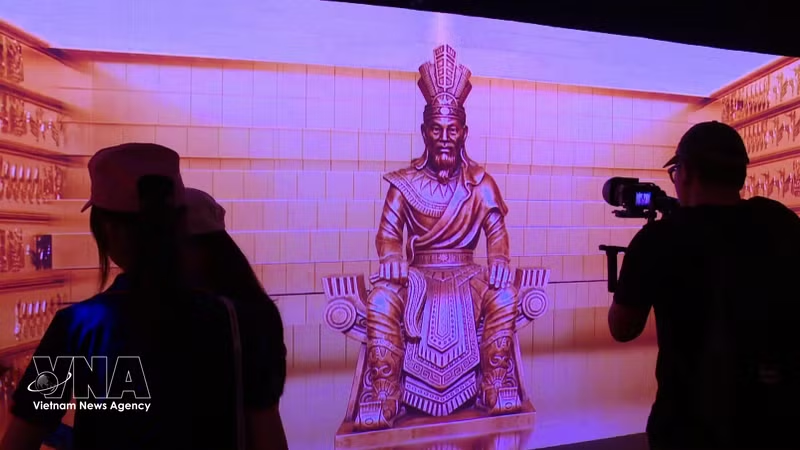
3D Mapping Revitalizes Vietnam's Cultural Heritage
Culture
2026年7月10日
3
VietnamPlus English

3D Mapping Revitalizes Vietnam's Cultural Heritage

AI サマリー

The 'Giao thoi (Transition)' exhibition at the Vietnam Women's Museum offers visitors an immersive journey through Vietnam's cultural heritage using state-of-the-art 3D mapping and interactive sensor systems, becoming a major attraction.

Vietnam's rich cultural heritage is being revitalized through cutting-edge 3D mapping technology. A prime example is the 'Giao thoi (Transition)' exhibition currently being held at the Vietnam Women's Museum in Hanoi. The exhibition features a state-of-the-art 3D mapping display with an interactive sensor system, offering visitors an immersive journey through Vietnam’s cultural heritage. This experience, akin to time travel, has captivated many visitors and become a major attraction at the museum. 3D mapping technology is also being utilized in other parts of Vietnam as a means of cultural promotion. For instance, Ho Chi Minh City hosted a 3D mapping art show and traditional dance performance to mark the 50th anniversary of the country's reunification. Additionally, a 3D mapping show was held to uncover the secrets of the Temple of Literature, an effort to convey the charm of historical structures more deeply and accessibly. These initiatives demonstrate Vietnam's proactive approach to integrating modern technology in the preservation and transmission of its traditional culture. Under its one-party system, the Vietnamese government considers the protection of cultural heritage a key national priority, and technology-driven exhibitions are an effective means of attracting both domestic and international tourists and raising public interest in culture. The importance of these efforts is growing, particularly in terms of appealing to younger generations and transmitting culture to the digital native generation.

多角的分析

経済的影響

3Dマッピング技術の活用は、文化観光産業の振興に直接的に貢献する。特に、没入型の体験は若年層や外国人観光客の関心を引きやすく、博物館や観光地の収益増加につながる可能性がある。これは、ベトナムがサービス業、特に観光業を経済成長の柱の一つとして推進している現状と合致しており、デジタル技術への投資が経済効果を生む好例と言える。政府は、文化遺産を経済的資産としても捉え、その魅力を最大限に引き出すための技術導入を奨励していると考えられる。

投資家心理

文化遺産への3Dマッピング技術の導入は、新たな観光体験への投資機会を示唆する。テクノロジー企業やコンテンツ制作会社にとっては、文化機関や政府との連携を通じて、新たなビジネスモデルを構築するチャンスとなる。また、観光インフラへの投資を検討する投資家にとっても、このような革新的なアトラクションは、将来的な観光客増加のポテンシャルを示す指標となり得る。ベトナムの経済成長とテクノロジーへの関心の高まりは、こうした分野への投資を後押しするだろう。

社会的影響

3Dマッピングによる文化遺産の体験は、伝統文化への関心を高め、国民のアイデンティティ強化に寄与する。特に、歴史や文化に触れる機会が限られていた地方の若者や、デジタル環境に慣れ親しんだ都市部の若者にとって、インタラクティブで魅力的な学習体験となる。これにより、世代間の文化理解の架け橋が築かれ、ベトナム独自の文化遺産への誇りが醸成されることが期待される。一方で、技術へのアクセス格差が、文化体験の機会の不均等を生む可能性も考慮すべき点である。

市民の声

ベトナム市民にとって、3Dマッピングは、これまで遠い存在であったり、難解に感じられたりしていた文化遺産を、より身近で分かりやすい形で体験できる機会を提供する。例えば、ハノイに住む市民は、ベトナム女性博物館で、自身の国の歴史や文化を、最新のテクノロジーを通して五感で感じることができる。これは、教育的な側面だけでなく、エンターテイメントとしても魅力的であり、家族や友人との新たな交流の場を生み出す可能性もある。地方の住民が都市部の博物館を訪れる機会は限られるが、将来的に地方でも同様の技術が活用されれば、全国民が文化遺産に触れる機会が増えるだろう。

背景・歴史的文脈

ベトナムは、長年にわたる戦争や分断を経て、国民統合と国家アイデンティティの再構築が重要な課題となっている。1975年のベトナム統一以降、政府は文化遺産を国民の共有財産として位置づけ、その保護と活用に力を入れてきた。特に、近年は経済成長に伴い、観光産業の振興が国家戦略の柱の一つとなっており、伝統文化の魅力を現代的な手法で発信することが求められている。3Dマッピング技術は、こうした背景のもと、文化遺産の魅力をより多くの人々に、特に若年層に効果的に伝えるための有効な手段として注目されている。

原文ソース

VietnamPlus English

原文を読む