Vietnam Tourism Enters New Era with Digitalization and Green Transition
Culture
2026年8月5日
5
VietnamPlus English

General articles are free for 24 hours after publish.

Vietnam Tourism Enters New Era with Digitalization and Green Transition

Share
AI Summary

Vietnam's tourism industry is driving digital transformation and green transition for sustainable growth. The sector is gaining international recognition, with Ninh Binh province and Phu Quoc island being highlighted.

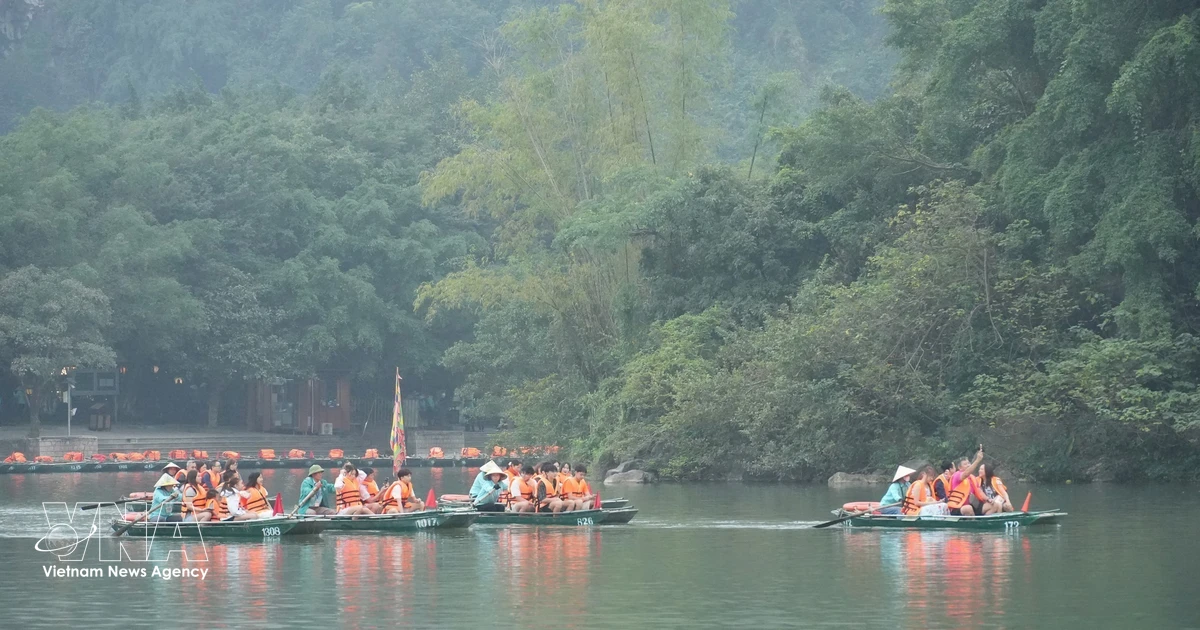
Vietnam's tourism industry is embracing digital transformation and green transition as inevitable trends and key strategic pillars for rapid and sustainable development, driven by rapid technological advances and growing concerns over climate change. Tourists are increasingly seeking seamless digital experiences and environmentally responsible destinations. In this context, Vietnam is enhancing its appeal as a tourist destination both domestically and internationally. Ninh Binh province has been nominated for Asia’s Leading Emerging Tourism Destination 2026, highlighting its potential. Phu Quoc island has been recognized by Expedia among the "10 Best Islands to Visit in 2026," offering diverse experiences not only during the dry season but also in the rainy months. Domestically, Hanoi welcomed approximately 5.31 million international visitors from January to July, a 25% increase year-on-year. Tourism revenue has also surged, contributing to the city's growing appeal. Hanoi's street food, with its rich diversity and affordable prices, is a significant tourism product attracting international visitors. According to the Vietnam National Authority of Tourism (VNAT), Vietnam welcomed 12.3 million international visitors in the first six months of 2026, marking the highest first-half figure in recent years and nearing the annual target of 25 million foreign arrivals. Regional cooperation is also advancing, with the Chairman of the Vietnam Tourism Association advocating for the development of integrated tourism routes linking regions such as Hanoi, Quang Ninh, Hai Phong, and Ninh Binh. This initiative aims to enhance the complementarity of regional tourism products and move away from isolated competition. Furthermore, the development of specialized products like wedding tourism is progressing, with potential to attract high-spending visitors and boost the destination's competitiveness. Vietnam holds significant promise in these areas due to its scenic landscapes and developing infrastructure. The Vietnamese tourism industry is advancing into a new era, promoting digitalization and greening while increasing its international recognition and aiming for sustainable growth.

0

Original source

VietnamPlus English

原文を読む