Vietnam's Tourism Sector Embraces Green and Digital Transformation for Growth
Culture
2026年8月6日
5
VietnamPlus English
Relations
🇻🇳Vietnam🇹🇭Thailand

General articles are free for 24 hours after publish.

Vietnam's Tourism Sector Embraces Green and Digital Transformation for Growth

Share
AI Summary

Vietnam is significantly boosting international and domestic tourist arrivals by promoting environmentally responsible and digital tourism. Provinces like Ninh Binh and Phu Quoc are gaining prominence, with tourism revenue showing a strong upward trend.

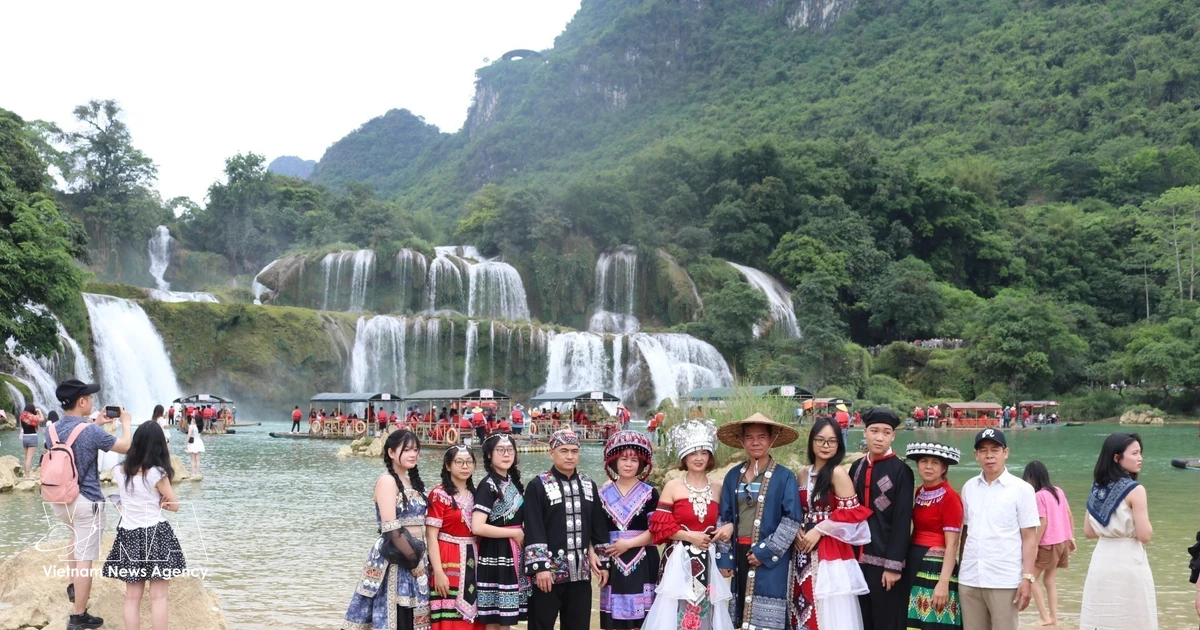
Vietnam's tourism sector is experiencing remarkable growth, with digital transformation and green transition identified as key strategic pillars for rapid and sustainable development. The country welcomed 12.3 million international visitors in the first six months of 2026, a 15% year-on-year increase, marking the highest first-half figure in recent years and placing it close to achieving its annual target of 25 million foreign arrivals. This surge reflects evolving tourist demands, with travelers increasingly seeking seamless digital experiences and environmentally responsible destinations. A Booking.com survey indicates that 85% of Vietnamese travelers prioritize sustainable travel and want their trips to have a positive impact on destinations. Localities are actively embracing green tourism. Bau Da wetland forest in Hoa Thinh commune, Dak Lak province, serves as a livelihood source for residents while preserving its rich ecosystem. Ninh Binh has emerged as one of Vietnam's fastest-growing tourism hubs, attracting an estimated 18.7 million visitors in the first seven months of this year, up 23.34% year-on-year. Phu Quoc Island, recognized by Expedia among the "10 Best Islands to Visit in 2026," is now offering a full-day experience beyond its traditional beach appeal, even during the rainy season. In the capital, Hanoi, rich in historical heritage and vibrant street food culture, welcomed approximately 5.31 million international visitors from January to July, a 25% increase compared to the same period in 2025. Tourism revenue in Hanoi surged 55.3% to nearly 237.5 trillion VND (9.01 billion USD), reaching 72% of its annual target. Ho Chi Minh City also saw significant growth, with over 7.1 million international visitors from January to July, a 42.7% year-on-year increase, and tourism revenue jumping 55.3%. Vu The Binh, Chairman of the Vietnam Tourism Association (VITA), advocates for strengthened regional cooperation, proposing integrated tourism routes linking major cities like Hanoi, Quang Ninh, Hai Phong, and Ninh Binh with neighboring localities. This approach aims to create complementary products rather than isolated competition. The development of specialized products like wedding tourism is also seen as a way to attract high-spending visitors and enhance competitiveness. International collaboration is also fostering growth. The Vietnamese Embassy in Thailand welcomed Can Tho's tourism promotion program in Thailand, viewing it as an opportunity for experience exchange in developing tourism linked with preserving traditional cultural values. New direct flights between Vietnam and Sri Lanka are expected to boost cooperation in tourism, trade, investment, and people-to-people exchanges. Vietnam's tourism industry appears poised for continued sustainable development, driven by its natural assets, cultural heritage, and a strategic embrace of new technologies. Copyright, VietnamPlus, Vietnam News Agency (VNA)

0

Original source

VietnamPlus English

原文を読む