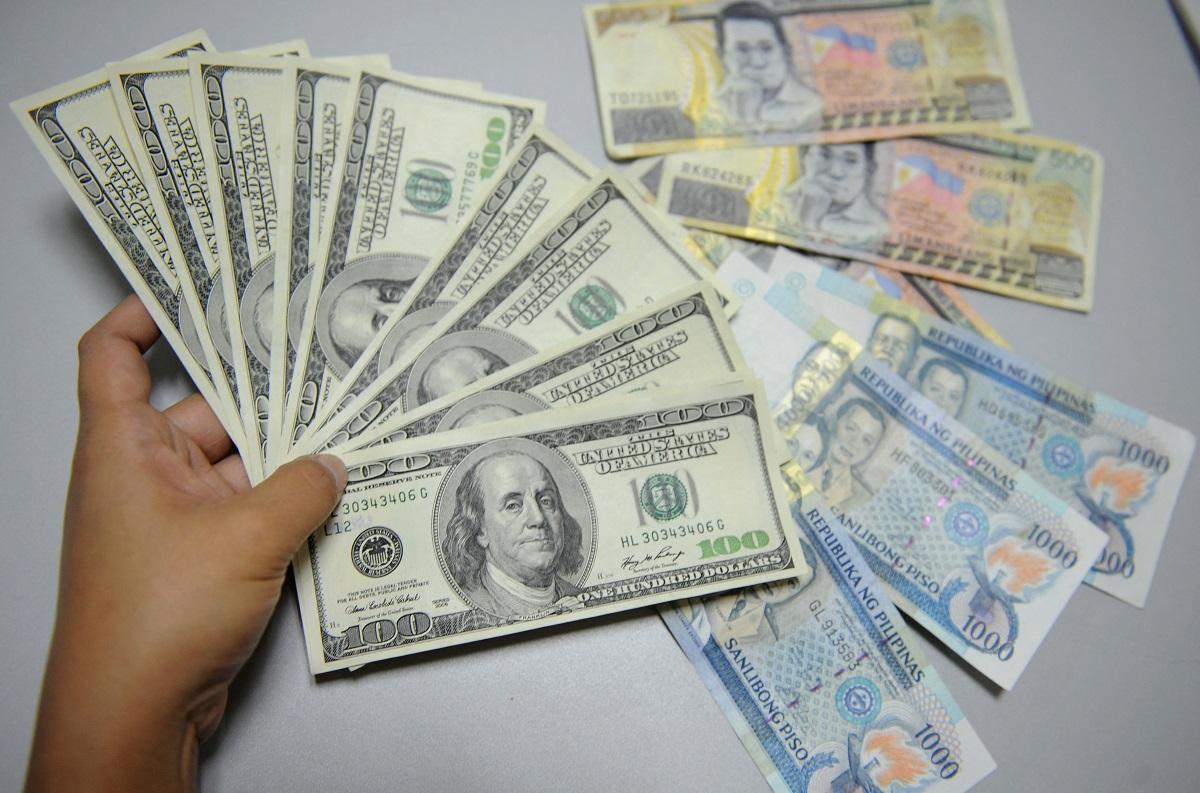
Philippine Peso Reverts to P61/$1 Amid Mideast Tensions and Inflation Worries
The Philippine peso weakened back to the P61-to-one dollar level due to global economic uncertainties stemming from heightened Middle East tensions. Concerns over rising oil prices could impact domestic inflation through increased import costs.
This article requires PRO
This article is outside the free access window or is a special report. PRO unlocks it and the full archive.
Related articles
- Philippines Inflation Slows, But Woes Likely to Persist Through 2026
Philippine inflation eased to 6.2% in July, yet remains well above government targets. Food, housing/utilities, and transport costs significantly burden households, driven by global price hikes and a weaker peso. Structural solutions are urgently needed.
- BSP Seen to Maintain Hawkish Stance Despite Slower Inflation
Despite a slowdown in July inflation, analysts predict the Bangko Sentral ng Pilipinas (BSP) will maintain its hawkish stance on interest rate hikes. Concerns over oil price volatility and El Niño are cited as key reasons.
- Philippines Faces Continued Rate Hikes as Inflation Remains Elevated
Despite easing for a third consecutive month in July, inflation in the Philippines remains elevated above the Bangko Sentral ng Pilipinas' (BSP) target range, leading economists to predict further interest rate hikes. Experts point to oil prices, El Niño, and wage increases as key drivers of persistent inflationary pressures.
- Philippines inflation eases to 6.2% in July
Philippines' inflation rate eased to 6.2 percent in July from 6.4 percent in the previous month, driven by slower transport costs and stable food prices. However, the year-to-date average remains above the central bank's target.